Bernese Mountain Dog vs Saint Bernard
Side-by-side comparison across all 14 AKC trait ratings, with a clear verdict on which breed fits which kind of household.
Not sure which breed fits your life?
Answer five questions about your home, your schedule, and your tolerance for shedding. We’ll match you to your top three breeds from over 200.
Bernese Mountain Dog vs Saint Bernard
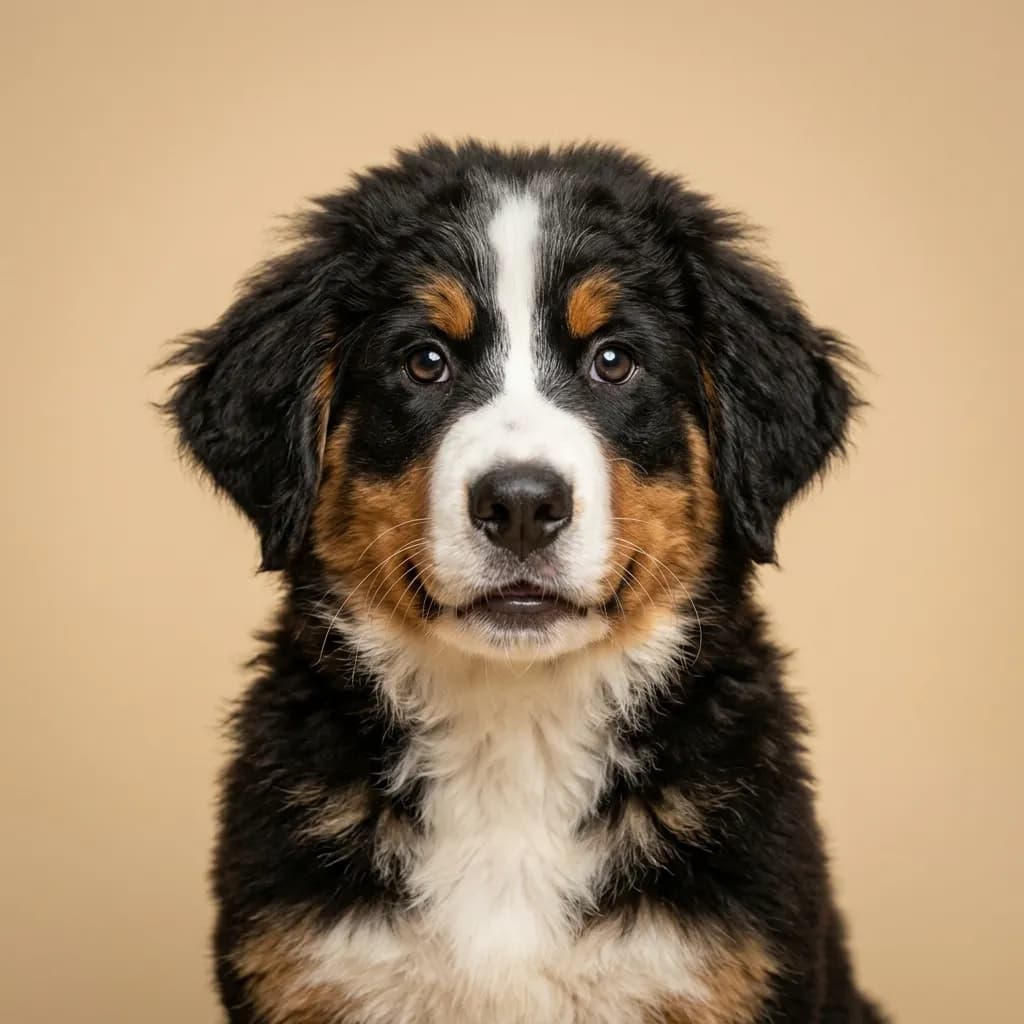
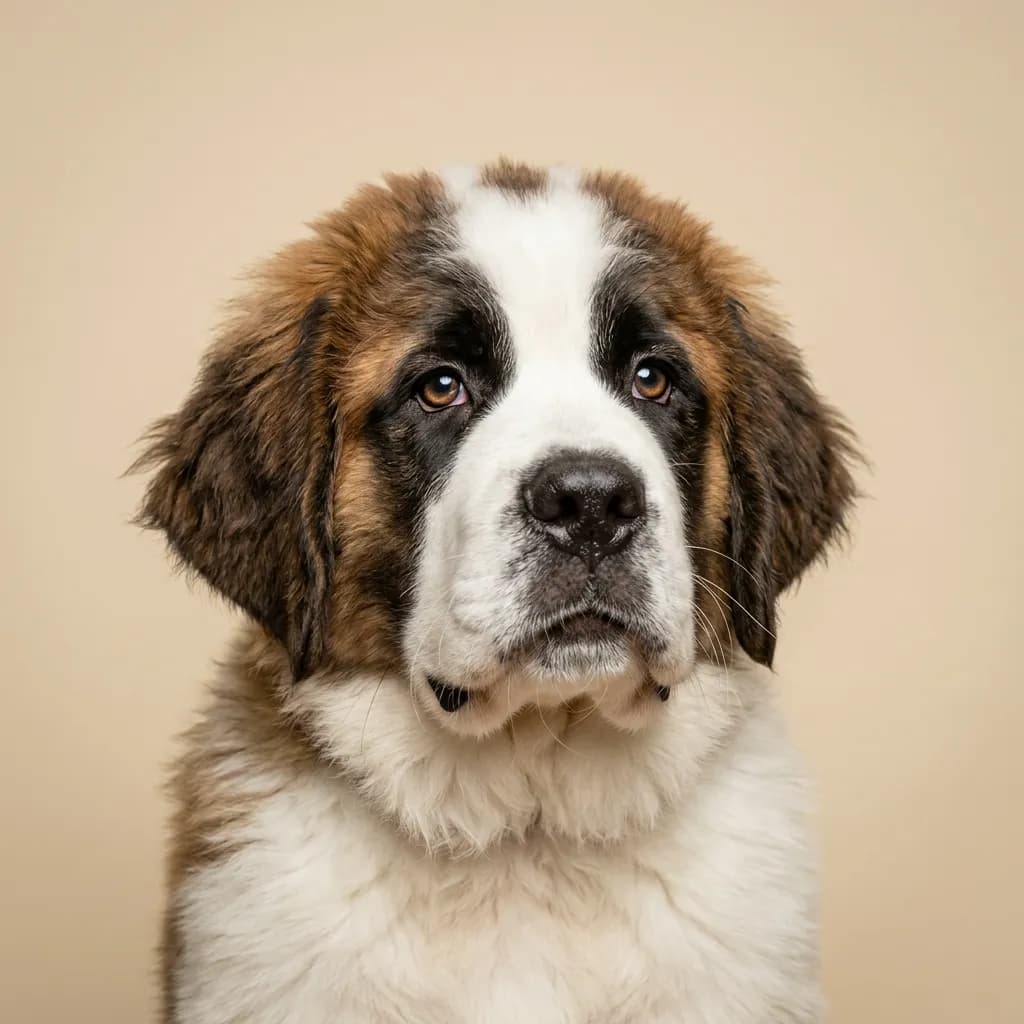
People compare Bernese Mountain Dogs and Saint Bernards because they’re both big, floppy-faced, gentle-hearted Swiss mountain dogs that look like they should be in a storybook. They’re the kind of dogs that stop strangers mid-stride at the park. But behind that shared warmth, they’re built for different lives. The Bernese is compact by giant standards. still heavy at up to 115 pounds, but more agile, bred to drive cattle and pull carts. They’ve got a spring in their step and a mind that wants to work, scoring high on trainability. They’re eager to please, playful into adulthood, and deeply affectionate. But that lush tri-colored coat? It sheds like it’s their job, and their health clock is brutal. 7 to 10 years, often shorter due to cancer. You’ll spend more on vet bills, and you’ll probably grieve sooner. The Saint Bernard is the true giant. Some hit 180 pounds with paws like dinner plates. They were born to dig through snow and save lost travelers, not win agility contests. Calmer, quieter. barely a bark. and less prone to blowing tufts of fur onto every surface. But they drool like a leaky faucet, especially after drinking, and their size means every health issue is magnified. Bloat is a constant threat, and a hip replacement here costs more than a car down payment. Families wanting an active companion who can hike and train with the kids might lean Bernese. But if you want a serene, tolerant gentle giant and don’t mind a soaked shoulder after cuddles, the Saint Bernard’s your dog. Here’s the real talk: neither breed is low-maintenance. But the Bernese breaks your heart faster. loved deeply, lost too soon.
Trait-by-trait
Higher bar = more of that trait. Shedding, barking, drooling, grooming flipped for readability.Where they diverge
Choose the Bernese Mountain Dog if…
- Families
- Active people
- Cold climates
- You value good with other dogs — Bernese Mountain Dog scores noticeably higher.
Choose the Saint Bernard if…
- Families with children
- Those wanting a gentle giant
- Cold climate households
- You value drooling level — Saint Bernard scores higher here.