Bichon Frise vs Bracco Italiano
Side-by-side comparison across all 14 AKC trait ratings, with a clear verdict on which breed fits which kind of household.
Not sure which breed fits your life?
Answer five questions about your home, your schedule, and your tolerance for shedding. We’ll match you to your top three breeds from over 200.
Bichon Frise vs Bracco Italiano
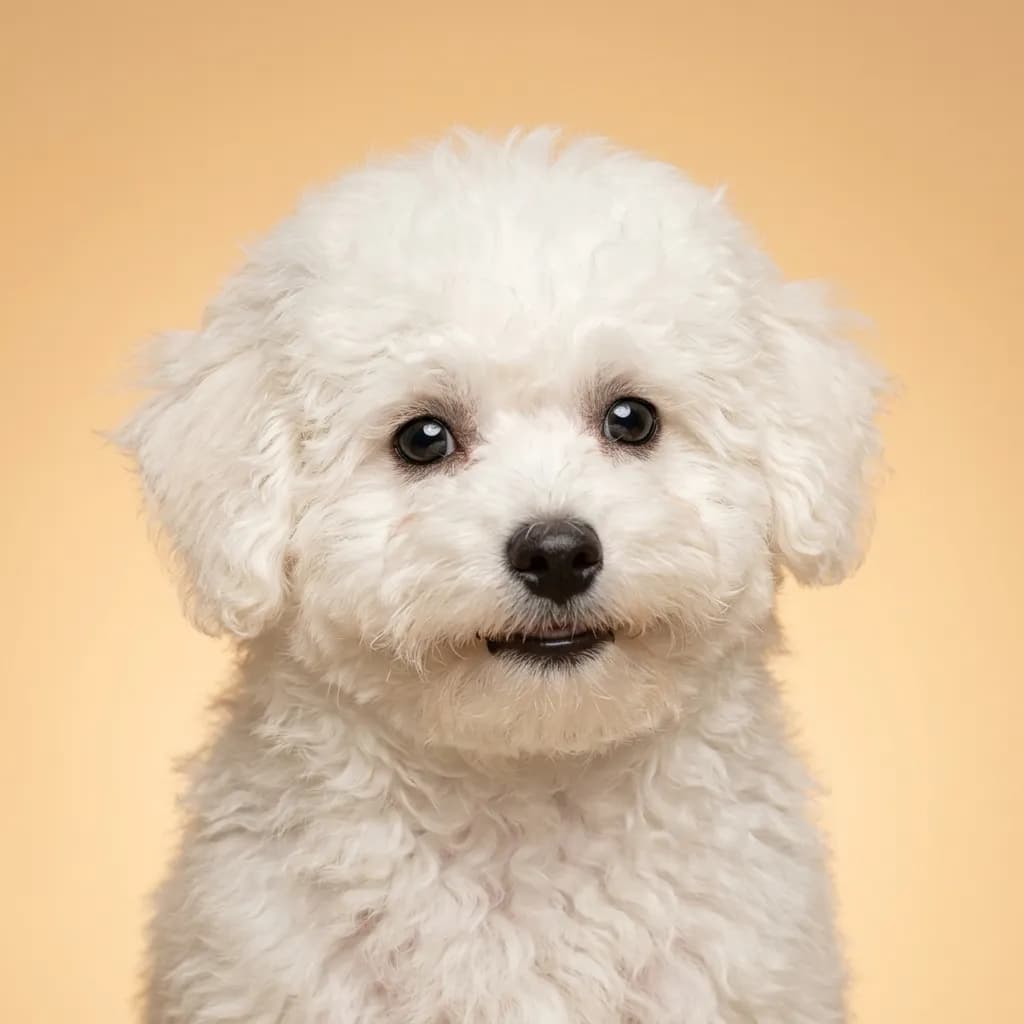
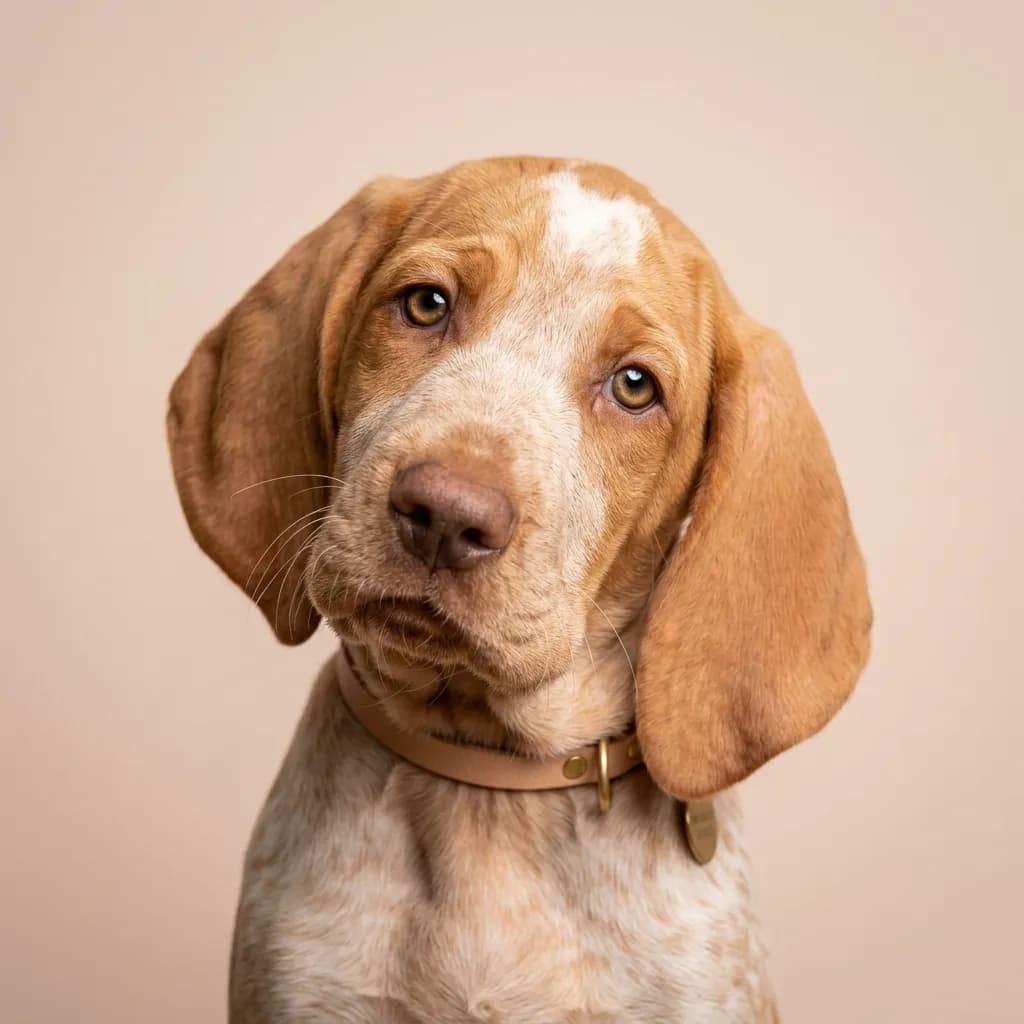
You probably wouldn’t compare a Bichon Frise and a Bracco Italiano unless you were deep in the dog world, torn between two extremes of what a loyal companion can be. One’s a powdered puffball that fits in a tote bag, the other’s a lean, muscular hunter with droopy eyes and a nose for adventure. But both are affectionate, people-oriented dogs, and that’s where the comparison starts to make sense. They want to be with you. They just do it in wildly different ways. The Bichon is your go-to if you live in a city apartment, have grandkids visiting, or just want a cheerful, low-shedding pal who’s always down for a game. They’re sturdy for their size, love routines, and adapt well to your schedule. But don’t be fooled by the cotton ball looks. they’ve got energy and need daily walks plus brushing, preferably by someone who enjoys grooming or can afford a pro. Skip this breed if you’re gone all week. The Bracco? This is not a dog you casually adopt. At 70+ pounds and built for endurance, it needs miles of movement. Bred to quarter fields and point game, it thrives with active owners who hunt, hike, or have a big yard in the country. They’re gentle giants with kids, but their size alone makes them a poor fit for small spaces. And yes, while they don’t bark much, they will howl if bored or left alone too long. Here’s the real talk: both are deeply attached, but the Bracco bonds so intensely it can become dysfunctional without structure. The Bichon is more forgiving of life’s chaos. If you’re a first-time owner, the Bichon is safer. If you’re experienced and active, the Bracco is magical. but only if you commit to being their partner in motion, not just their provider.
Trait-by-trait
Higher bar = more of that trait. Shedding, barking, drooling, grooming flipped for readability.Where they diverge
Choose the Bichon Frise if…
- Apartments
- Seniors
- Families
- You value coat grooming — Bichon Frise scores noticeably higher.
Choose the Bracco Italiano if…
- Active families
- Hunters and sportsmen
- Rural or suburban homes
- You value shedding level — Bracco Italiano scores higher here.