Bichon Frise vs Broholmer
Side-by-side comparison across all 14 AKC trait ratings, with a clear verdict on which breed fits which kind of household.

Not sure which breed fits your life?
Answer five questions about your home, your schedule, and your tolerance for shedding. We’ll match you to your top three breeds from over 200.
Bichon Frise vs Broholmer
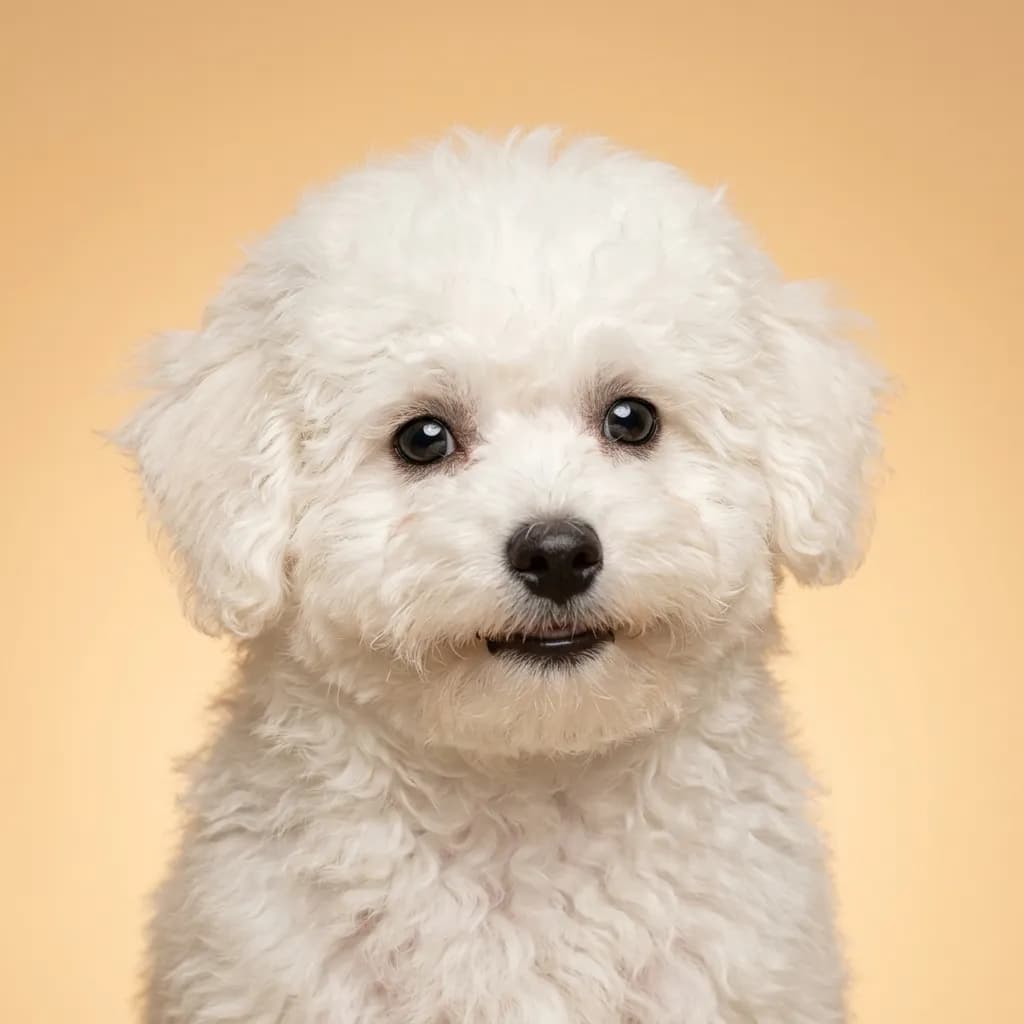
People don’t usually pit a cloud-like lapdog against a gentle giant mastiff, but here we are. probably because both breeds are white and “fluffy” at first glance. That’s where the similarity ends. Choosing between a Bichon Frise and a Broholmer isn’t just preference, it’s lifestyle math. The Bichon is the upbeat comedian of the dog world. At just over 10 pounds, he’s built for couch hops, not long treks. He thrives on attention, bounces off walls when bored, and needs daily grooming to keep that poof pristine. You’ll spend more on haircuts than kibble. But he’s also patient with kids, adapts to city studios or suburban homes, and sticks by your side like a furry therapist. If you’re gone all day or hate brushing, skip him. The Broholmer? He’s the quiet bodyguard who weighs more than your car’s front end. Calm to the point of zen, he’s not going to bark much or demand games of fetch. But he needs space. both physically and mentally. This isn’t a dog you figure out as you go. He’s better with older kids who know how to act around big dogs, and you must commit to joint health checks, careful feeding to avoid bloat, and a yard that can handle a 130-pound presence. Here’s the real talk: the Bichon wants to be your emotional support animal with extra hair. The Broholmer is a living security system with a drool problem. You don’t choose the Broholmer for fun. You choose him because your property needs presence, you’ve handled big dogs before, and you're ready for a short, intense decade. The Bichon will outlive him by five years and cost less in vet bills, but demand more daily upkeep. Pick the Bichon if you want joy in a tiny, huggable package. Pick the Broholmer if you’re ready to steward a gentle giant. briefly, gratefully, and with a good vacuum.
Trait-by-trait
Higher bar = more of that trait. Shedding, barking, drooling, grooming flipped for readability.Where they diverge
Choose the Bichon Frise if…
- Apartments
- Seniors
- Families
- You value coat grooming — Bichon Frise scores noticeably higher.
Choose the Broholmer if…
- experienced large-breed owners
- families with children
- homes with large yards
- You value shedding level — Broholmer scores higher here.