Bichon Frise vs Eurasier
Side-by-side comparison across all 14 AKC trait ratings, with a clear verdict on which breed fits which kind of household.

Not sure which breed fits your life?
Answer five questions about your home, your schedule, and your tolerance for shedding. We’ll match you to your top three breeds from over 200.
Bichon Frise vs Eurasier
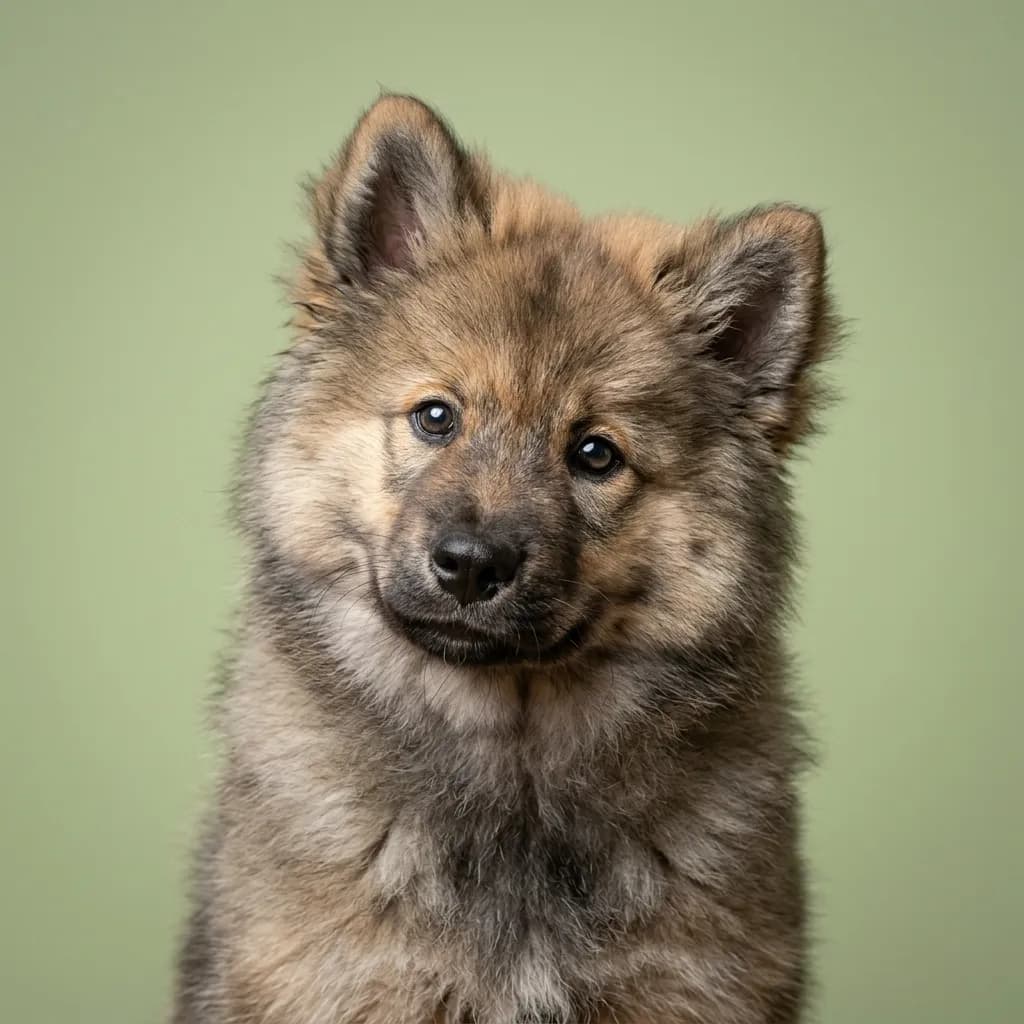
You don’t see Bichon Frises and Eurasiers side by side at the dog park often, but people compare them when they’re after a loyal, affectionate companion and don’t realize how wildly different the experience can be. Both are fluffy, both love their people, and both were bred to be companions. But that’s where the similarity ends. The Bichon is your cheerful, portable pal. Think of a cloud with a motor. 12 pounds of bouncy joy that fits in a tote bag. They thrive in apartments, adore kids, and will learn tricks just to hear you clap. You’ll spend hours grooming that hypoallergenic coat, but you won’t be picking fur off your couch. They’re resilient, adaptable, and perfect if you’re a first-time owner or a senior who wants a lively buddy. Just don’t plan on spontaneous weekend getaways without them. they bond hard and hate being left out. The Eurasier is the quiet philosopher of the dog world. At 50+ pounds, this spitz-type dog is built for cold climates and deep loyalty. Calm, reserved, and intensely observant, they form tight bonds but aren’t eager to greet every stranger. They need space, routine, and a yard they can patrol with quiet dignity. Not a clown like the Bichon, but profoundly steady. They’re not for new owners who expect instant obedience. they’re independent thinkers, not push-button pets. Here’s the real difference: the Bichon lives to please you. The Eurasier lives to be your equal. If you want a dog that’s always in your pocket, go Bichon. If you want a dignified, steady presence who’ll stand beside you like a trusted friend, the Eurasier might be your match. And be honest. do you want a sidekick or a soulmate? That’s the question these two breeds force you to answer.
Trait-by-trait
Higher bar = more of that trait. Shedding, barking, drooling, grooming flipped for readability.Where they diverge
Choose the Bichon Frise if…
- Apartments
- Seniors
- Families
- You value good with strangers — Bichon Frise scores noticeably higher.
Choose the Eurasier if…
- families seeking a calm companion
- homes with children
- experienced but patient owners
- You value shedding level — Eurasier scores higher here.