Bichon Frise vs Giant Schnauzer
Side-by-side comparison across all 14 AKC trait ratings, with a clear verdict on which breed fits which kind of household.
Not sure which breed fits your life?
Answer five questions about your home, your schedule, and your tolerance for shedding. We’ll match you to your top three breeds from over 200.
Bichon Frise vs Giant Schnauzer
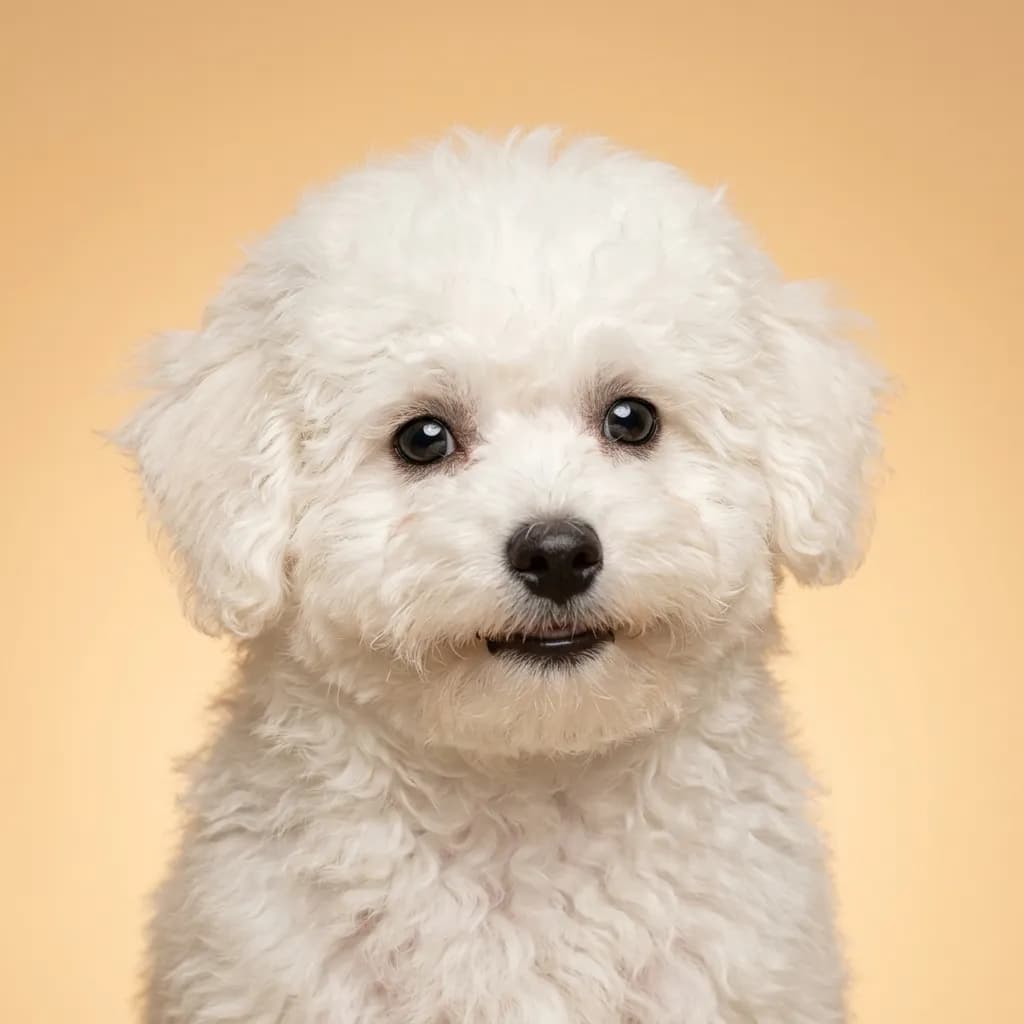
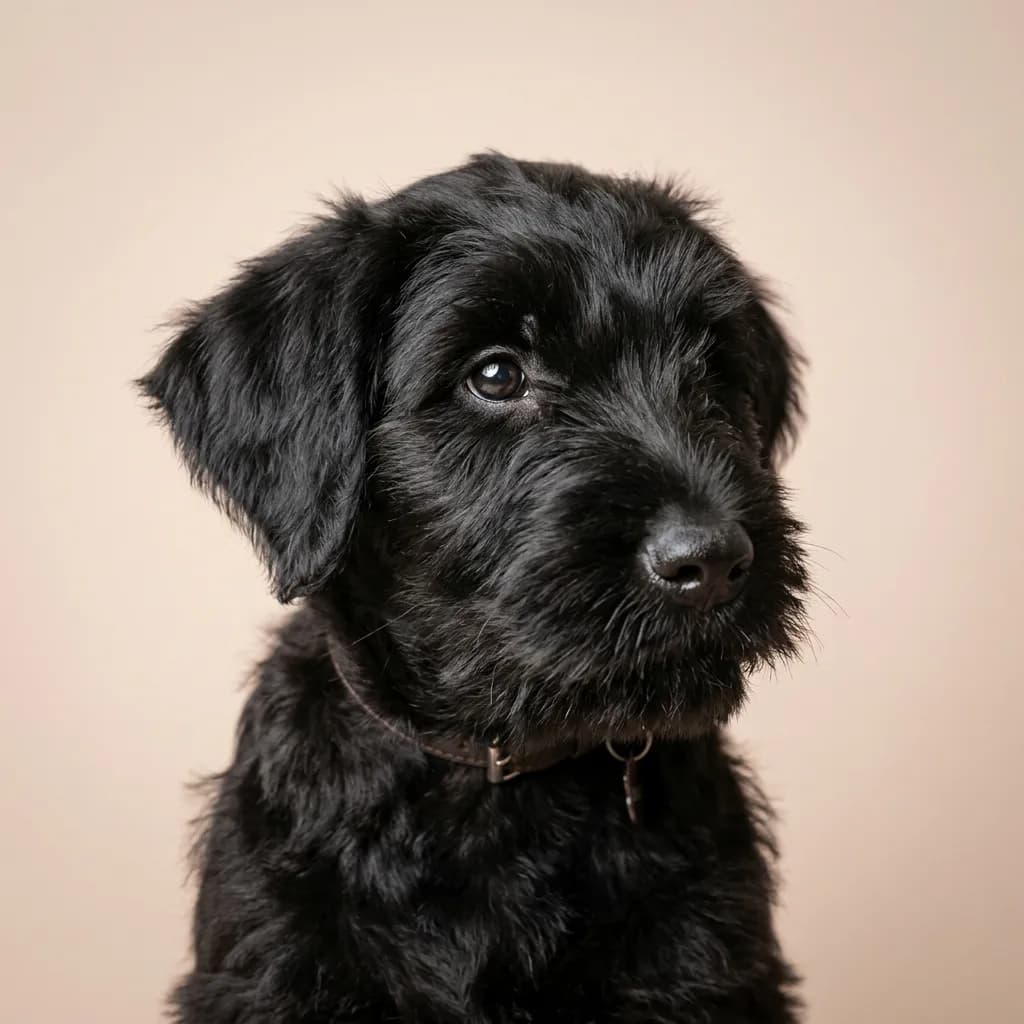
You’re not really comparing these two breeds because they’re similar. You’re looking at them together because their names both end in “-auzer” and you’ve seen both described as “smart” or “affectionate.” But that’s where the overlap ends. This isn’t apples to oranges. It’s more like comparing a studio apartment pup to a working farmhand with a side hustle in security. The Bichon Frise is the cheerful, bouncy companion built for life on the couch and in your suitcase. well, if your suitcase has room for daily grooming wipes. At under 20 pounds, this little guy fits in a tote bag (not that you should), thrives in apartments, and bonds deeply with everyone in the house, kids included. He’s eager to please, picks up tricks fast, and won’t shed much, but he will need professional grooming every four to six weeks. Skip it, and he turns into a matted cotton ball. The Giant Schnauzer is a different beast entirely. Sixty pounds of muscle, intelligence, and quiet intensity. He’s loyal to his people, yes, and affectionate in a dignified way, but he’s not here for tea parties. He was bred to drive cattle and guard property, and he still carries that focus. He needs serious exercise, advanced training, and a job. whether it’s agility, protection work, or just a long, structured hike every day. Here’s the real talk: the Bichon will forgive a lazy day. The Giant Schnauzer won’t. Left under-stimulated, he’ll find his own job. like reorganizing your backyard or barking at shadows. First-time owners should lean Bichon. Active, experienced homes with space and time? That’s Giant Schnauzer territory. One needs a comb. The other needs a purpose. Know which you’re offering.
Trait-by-trait
Higher bar = more of that trait. Shedding, barking, drooling, grooming flipped for readability.Where they diverge
Choose the Bichon Frise if…
- Apartments
- Seniors
- Families
- You value good with young children — Bichon Frise scores noticeably higher.
Choose the Giant Schnauzer if…
- Experienced dog owners
- Active families
- Working roles (police, military)
- You value watchdog / protective — Giant Schnauzer scores higher here.