Bichon Frise vs Japanese Chin
Side-by-side comparison across all 14 AKC trait ratings, with a clear verdict on which breed fits which kind of household.
Not sure which breed fits your life?
Answer five questions about your home, your schedule, and your tolerance for shedding. We’ll match you to your top three breeds from over 200.
Bichon Frise vs Japanese Chin
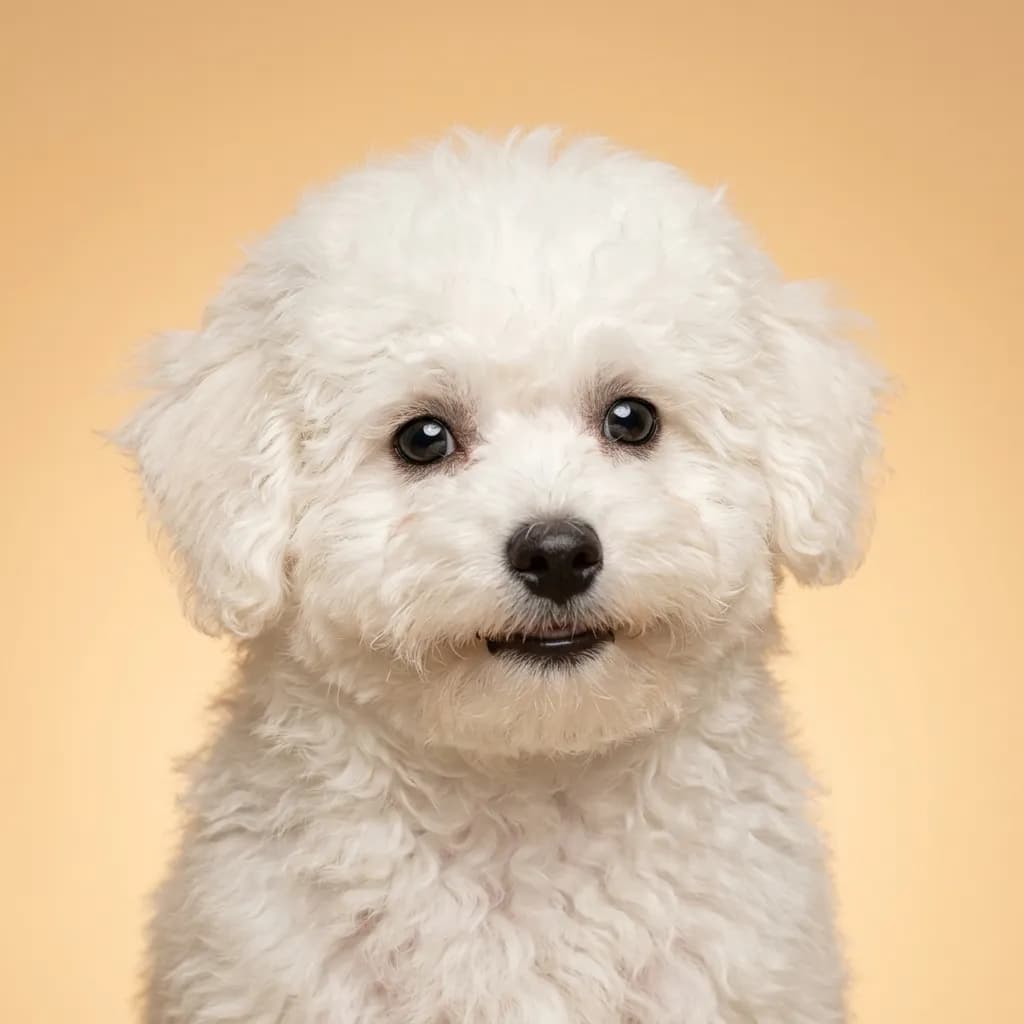
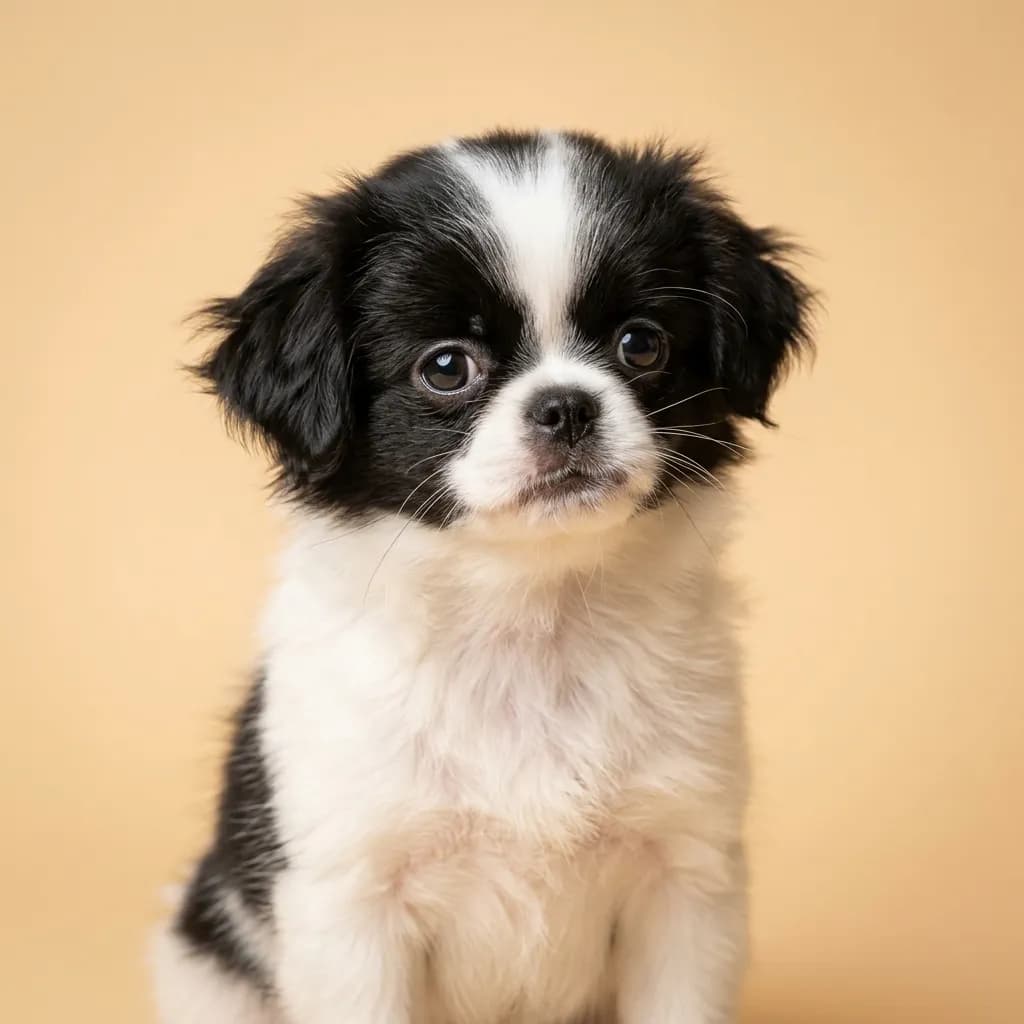
People often compare the Bichon Frise and Japanese Chin because they’re both small, fluffy lapdogs with big personalities and royal pasts. They look similar at a glance. white coats, dark eyes, compact size. but living with one versus the other is where the differences really show. The Bichon is the social butterfly, always up for a game or a new trick. They’re playful and sturdy enough to keep up with gentle kids, and they thrive on interaction. You’ll need to brush them every few days and commit to regular grooming. those curls don’t stay cloud-like on their own. But if you want a dog that’s eager to learn, loves company, and adapts well to different homes, the Bichon delivers. They’re the extrovert who waves at every passerby. The Japanese Chin, by contrast, is more like a cat in dog form. affectionate on their terms, quietly observant, and prone to retreating if things get too loud. They’re not big barkers, and they don’t demand constant activity, but they do expect comfort and calm. They’re delicate, both physically and in temperament, and don’t handle roughhousing or heat well. Their grooming is moderate, but their health can be trickier. those flat faces bring breathing risks, and their eyes are more exposed. If you’re active at home and want a dog who’ll join the family buzz, go Bichon. If you want a serene companion who’ll curl up during your quiet evenings and tolerate being dressed up for royal-themed photos, the Chin fits. Here’s the real talk: the Chin might seem low-energy, but they’re high-maintenance in emotional needs. They bond deeply and don’t like being alone. The Bichon needs grooming, yes, but the Chin needs devotion. Pick the Bichon for joy, the Chin for quiet intimacy.
Trait-by-trait
Higher bar = more of that trait. Shedding, barking, drooling, grooming flipped for readability.Where they diverge
Choose the Bichon Frise if…
- Apartments
- Seniors
- Families
- You value coat grooming — Bichon Frise scores noticeably higher.
Choose the Japanese Chin if…
- Apartment dwellers
- Seniors
- Gentle quiet households
- You value shedding level — Japanese Chin scores higher here.