Bichon Frise vs Parson Russell Terrier
Side-by-side comparison across all 14 AKC trait ratings, with a clear verdict on which breed fits which kind of household.

Not sure which breed fits your life?
Answer five questions about your home, your schedule, and your tolerance for shedding. We’ll match you to your top three breeds from over 200.
Bichon Frise vs Parson Russell Terrier
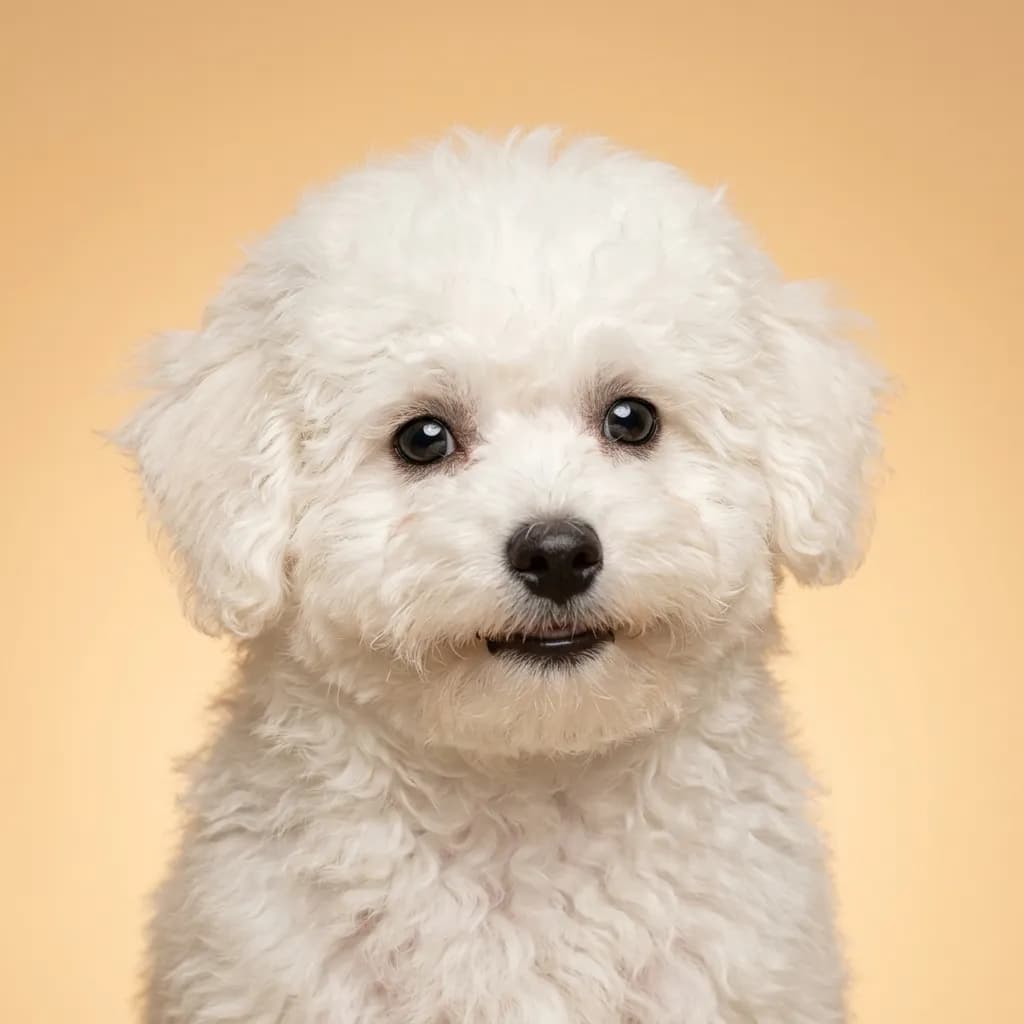
People compare Bichon Frises and Parson Russell Terriers because they’re both small, white, and look like they belong in a pocket. But that’s where the similarity ends. These dogs come from completely different worlds and want completely different lives. The Bichon is the cheerful cloud that floats through life. Bred to charm nobles, it lives to be with you, on you, or right next to you. It’s goofy, affectionate, and great with kids. You’ll spend about an hour a week grooming, but skip it and you’ll have a matted disaster. It adapts well to apartments and fits like a glove with seniors or first-time owners. Just don’t expect it to hike 10 miles or chase squirrels with purpose. The Parson Russell Terrier? That’s a coiled spring in a white coat. Originally bred to bolt foxes from dens, it’s bold, intense, and always one step ahead of you mentally. It sheds a little more than the Bichon, but that’s the least of your concerns. This dog needs jobs. agility, tracking, long runs, or structured play. It’s affectionate with its family but can be scrappy with other animals and less predictable with young kids. First-time owners often get overwhelmed. Here’s the real talk: the Bichon wants to be your emotional support clown. The Parson wants to be your partner in crime. Pick the Bichon if you want a low-impact, high-cuddle companion. Pick the Parson only if you’re ready to match its energy and intelligence. One thrives on routine and love. The other thrives on mission and movement. Don’t choose based on size or color. Choose based on how you live.
Trait-by-trait
Higher bar = more of that trait. Shedding, barking, drooling, grooming flipped for readability.Where they diverge
Choose the Bichon Frise if…
- Apartments
- Seniors
- Families
- You value coat grooming — Bichon Frise scores noticeably higher.
Choose the Parson Russell Terrier if…
- Active owners
- Outdoor and equestrian families
- Experienced terrier handlers
- You value shedding level — Parson Russell Terrier scores higher here.