Bichon Frise vs Slovakian Wirehaired Pointer
Side-by-side comparison across all 14 AKC trait ratings, with a clear verdict on which breed fits which kind of household.
Not sure which breed fits your life?
Answer five questions about your home, your schedule, and your tolerance for shedding. We’ll match you to your top three breeds from over 200.
Bichon Frise vs Slovakian Wirehaired Pointer
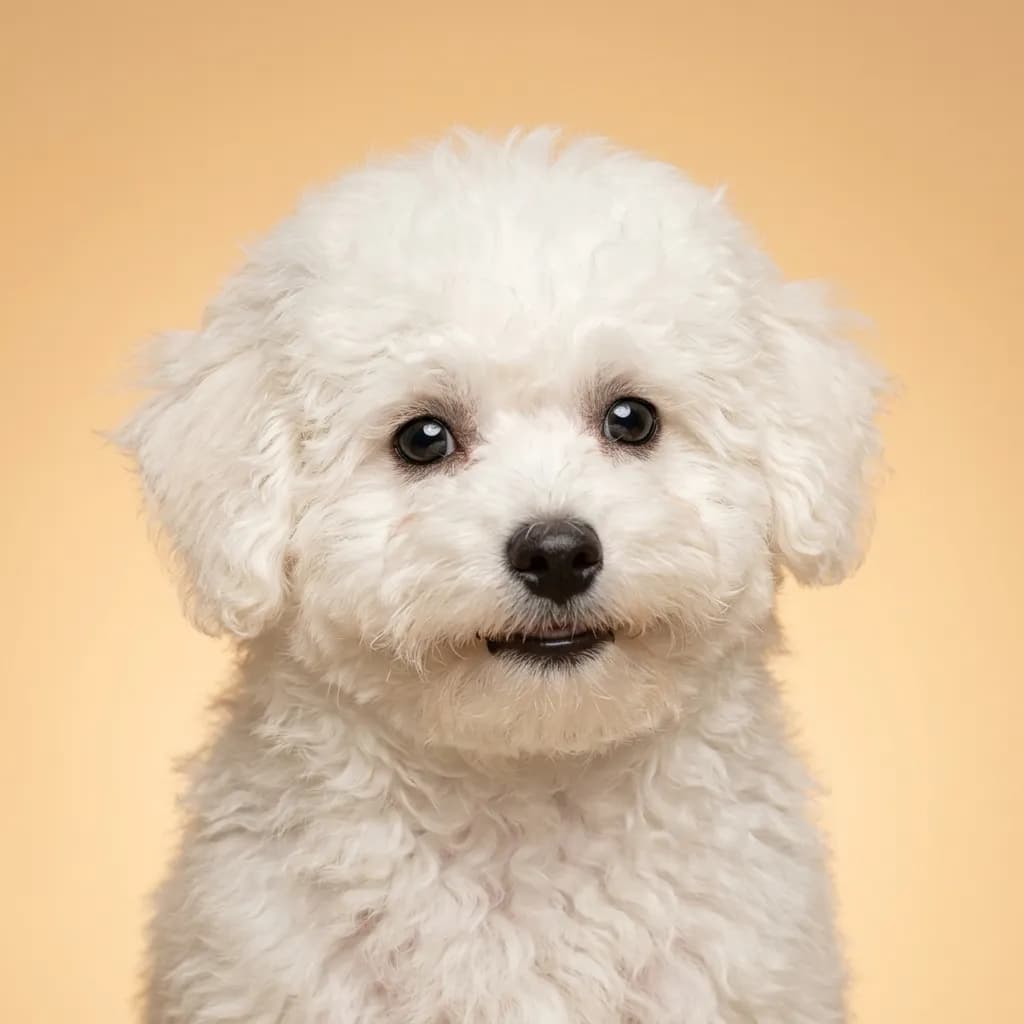
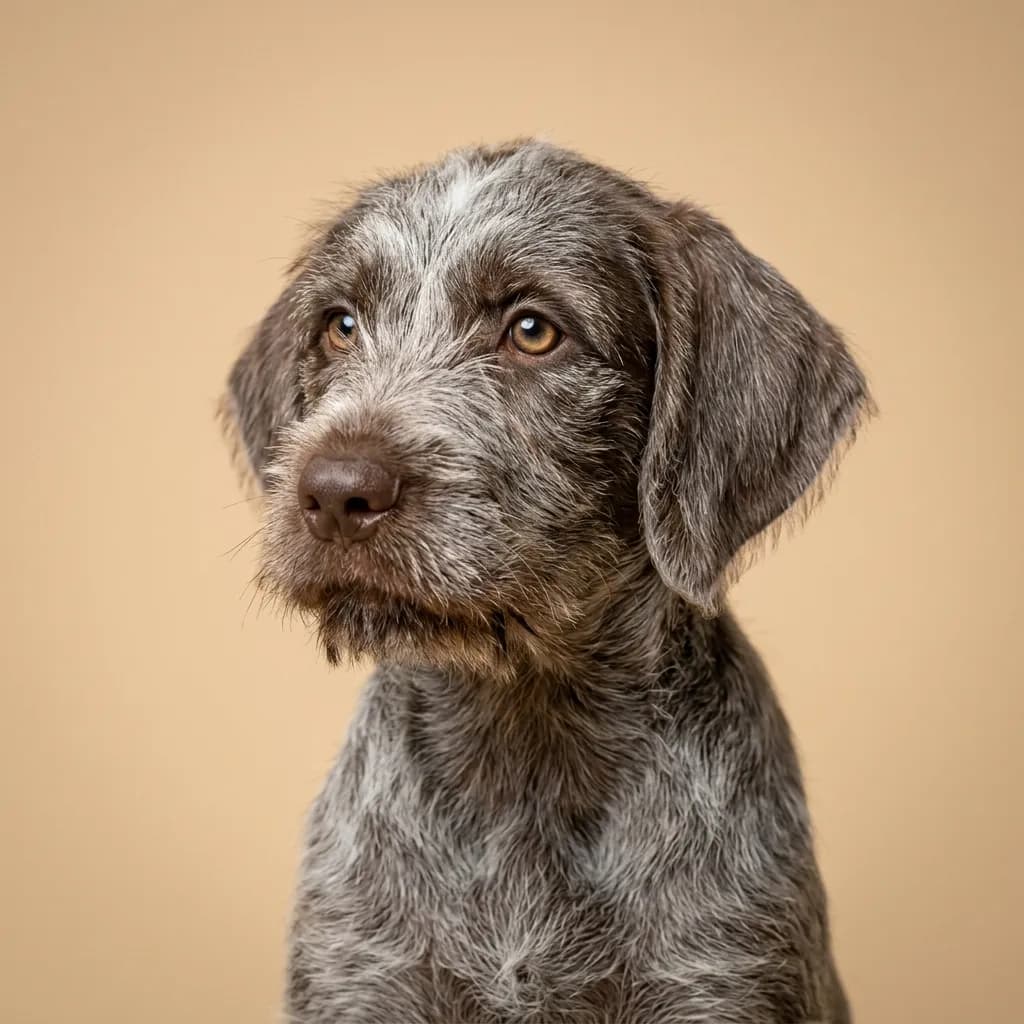
You’re probably not cross-shopping a fluffy cloud-pup and a rugged European hunting machine because they look anything alike. But deep down, people end up comparing the Bichon Frise and Slovakian Wirehaired Pointer when they’re torn between two lifestyles: one centered on companionship and ease, the other on adventure and partnership with a dog that truly works for a living. The Bichon is the ultimate people pleaser. At under 20 pounds and with a cotton-ball coat, it thrives in apartments, on laps, and in homes with kids or seniors. It’s cheerful, adaptable, and bonds deeply, but that coat demands brushing every other day and professional grooming every four to six weeks. Skip it, and you’ll have matted fur and a miserable dog. It’s a high-maintenance best friend. The Slovakian Wirehaired Pointer is built for purpose. Lean, wiry, and nearly 60 pounds, it’s bred to hunt in cold, rough terrain. pointing, retrieving, swimming, and working through weather that would sink a Bichon. It’s smarter in the sense that it needs jobs to do, and without physical and mental challenges, it’ll invent its own, usually involving your furniture. It’s affectionate but not clingy, loyal but independent. Here’s the real difference beyond the stats: the Bichon wants to be with you always. The Slovakian Wirehaired Pointer wants to be useful to you. If you’re not hunting, hiking, or training, it will never be fulfilled. Pick the Bichon if you want a joyful, portable companion that’s happy just being near you. Pick the Slovakian only if you’re ready to lead. every day, in all weather.
Trait-by-trait
Higher bar = more of that trait. Shedding, barking, drooling, grooming flipped for readability.Where they diverge
Choose the Bichon Frise if…
- Apartments
- Seniors
- Families
- You value coat grooming — Bichon Frise scores noticeably higher.
Choose the Slovakian Wirehaired Pointer if…
- hunters
- active families
- experienced versatile gun dog owners
- You value shedding level — Slovakian Wirehaired Pointer scores higher here.