Bichon Frise vs Staffordshire Bull Terrier
Side-by-side comparison across all 14 AKC trait ratings, with a clear verdict on which breed fits which kind of household.
Not sure which breed fits your life?
Answer five questions about your home, your schedule, and your tolerance for shedding. We’ll match you to your top three breeds from over 200.
Bichon Frise vs Staffordshire Bull Terrier
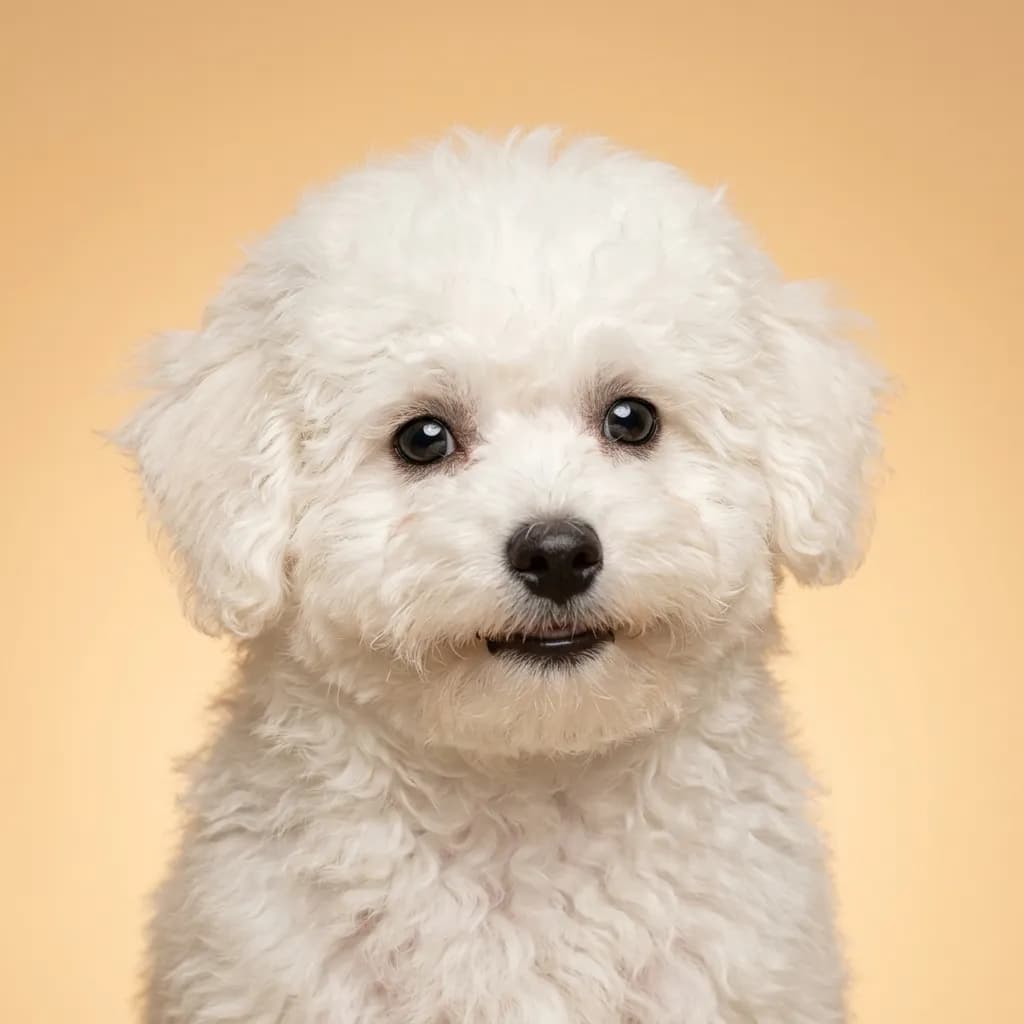
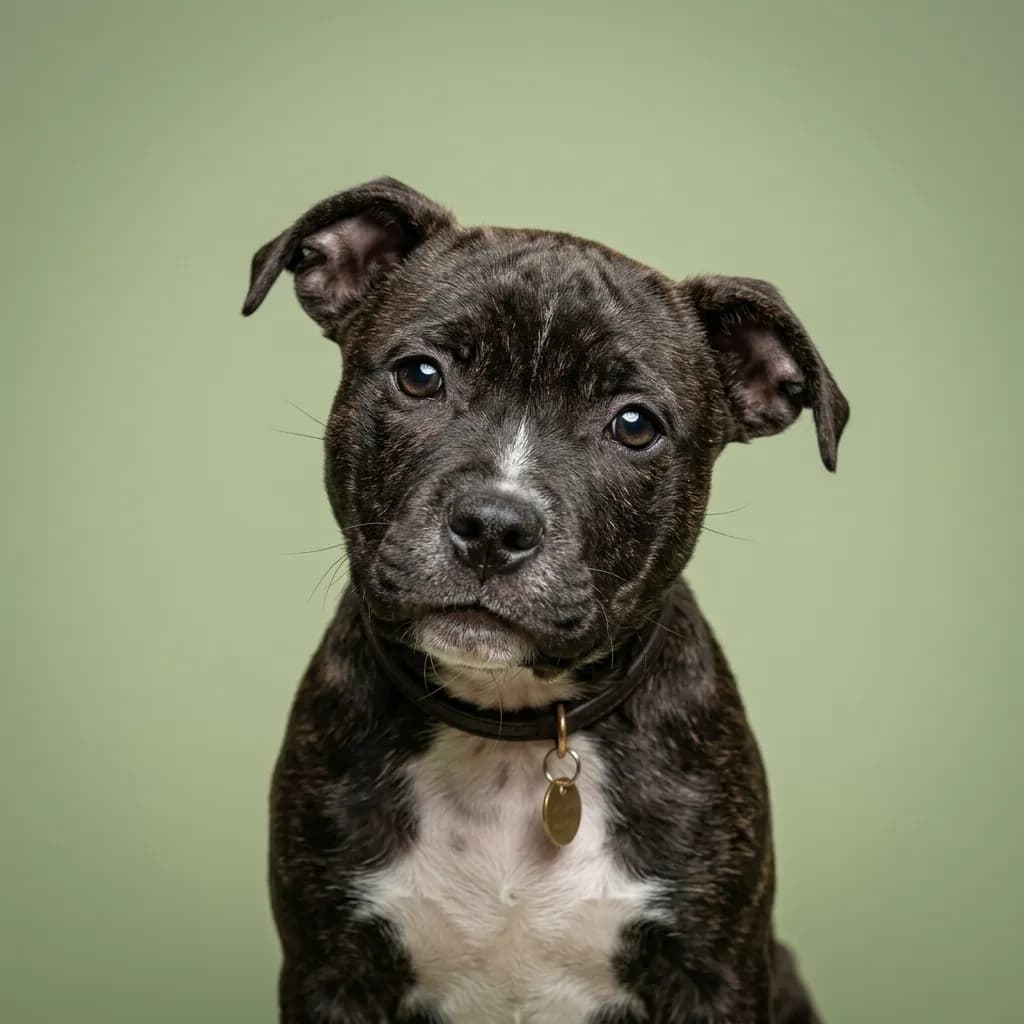
People compare Bichons and Staffies because they’re both friendly, compact dogs that dote on their people. But that’s where the similarities end. You’re not just choosing between sizes. you’re picking lifestyles. The Bichon Frise is the fluffy cloud that follows you from room to room. At 12 to 18 pounds, this little comedian thrives in apartments or quiet homes. He’s happy with a daily walk and a few toys, but he needs grooming every few weeks. Skip it, and that hypoallergenic coat mats fast. He’s a natural with kids, seniors, even first-time owners, but don’t expect him to be left alone all day. He bonds hard and hates being apart. The Staffordshire Bull Terrier is a different kind of loyal. Stocky at 24 to 38 pounds, with a heart bigger than his biceps, he’s a people dog with muscle and momentum. Bred from fighting stock but retooled into a family gem, the Staffie needs early socialization and consistent training. He’s brilliant and eager to please. trainability 5 out of 5 isn’t a fluke. But he’s not a couch ornament. He needs activity, mental challenges, and a yard to zoom in. He’s gentle with children, often famously so, but his prey drive and strength mean small pets aren’t safe unless raised together. Here’s the real talk: the Bichon wants to be pampered. The Staffie wants to be used. He’s not just a pet. he wants a job, a purpose, a leader. If you’re active and confident, the Staffie will shine. If you want a low-shedding, portable pal who lives to cuddle and entertain, the Bichon’s your match. Choose the Bichon for charm. Choose the Staffie for depth.
Trait-by-trait
Higher bar = more of that trait. Shedding, barking, drooling, grooming flipped for readability.Where they diverge
Choose the Bichon Frise if…
- Apartments
- Seniors
- Families
- You value coat grooming — Bichon Frise scores noticeably higher.
Choose the Staffordshire Bull Terrier if…
- Active families
- Experienced bull breed owners
- Families with children
- You value watchdog / protective — Staffordshire Bull Terrier scores higher here.