Bichon Frise vs Tibetan Terrier
Side-by-side comparison across all 14 AKC trait ratings, with a clear verdict on which breed fits which kind of household.
Not sure which breed fits your life?
Answer five questions about your home, your schedule, and your tolerance for shedding. We’ll match you to your top three breeds from over 200.
Bichon Frise vs Tibetan Terrier
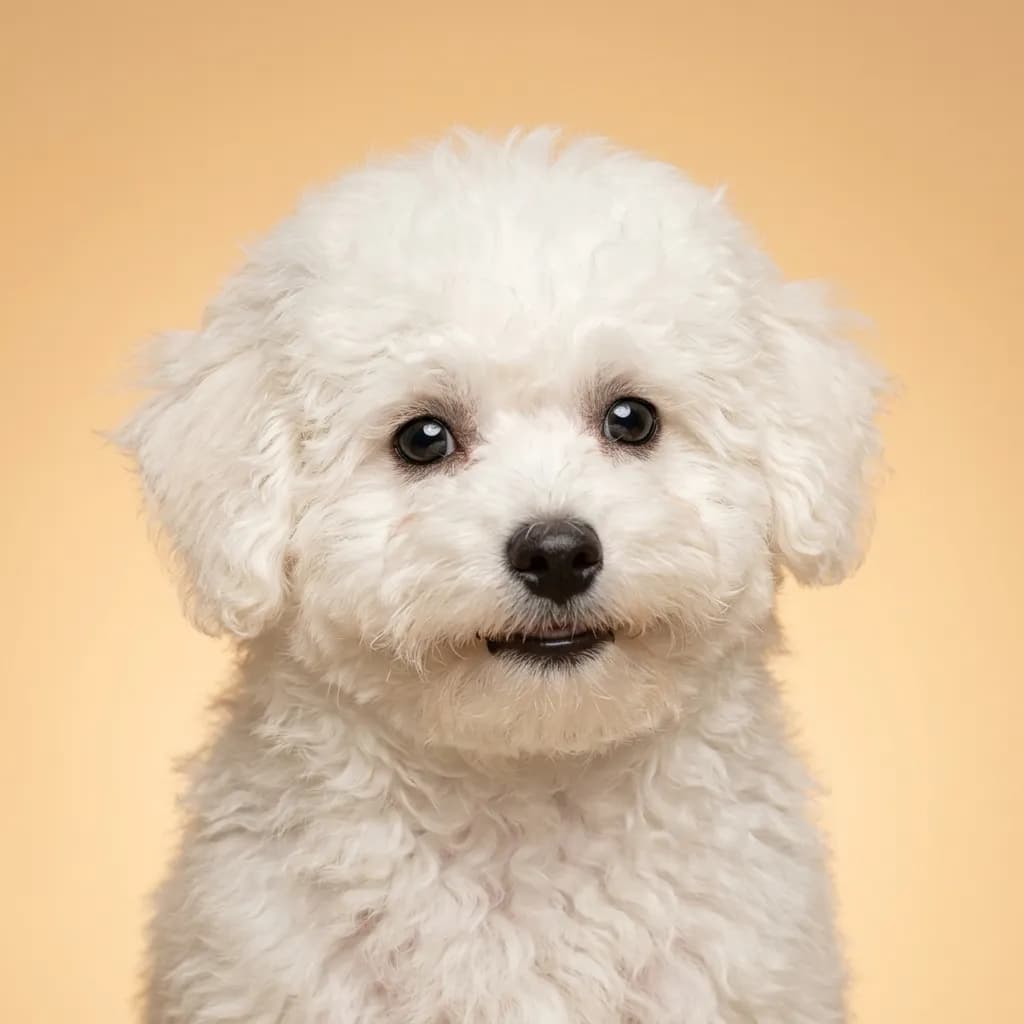
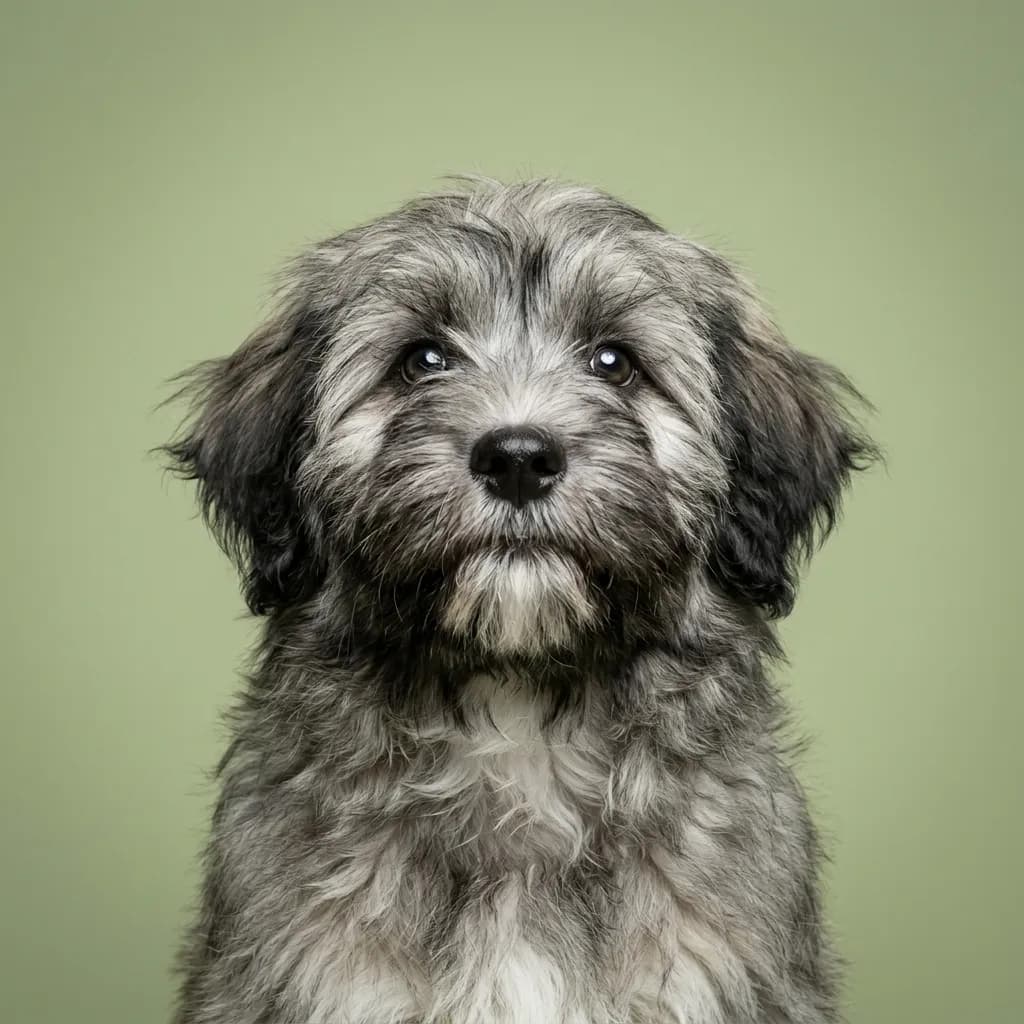
People compare Bichon Frises and Tibetan Terriers because they’re both fluffy, friendly non-sporting dogs with a cloud-like coat and a knack for charming their way into your heart. At first glance, they seem like variations on a theme. small, white, bouncy. But live with either, and you’ll quickly realize they’re built for different lives. The Bichon is the extroverted comedian, bred to entertain nobles with a wink and a leap. At 12 to 18 pounds, they’re light enough to carry in a tote bag, and their energy matches their size. peppy, playful, always game for a game. They’re better with kids, more adaptable to change, and easier to train. But that cotton-ball coat? It’s high-maintenance. Without daily brushing and monthly grooming, it mats like wet wool. And they need to be with you. Leave them alone too long, and they’ll sing about it. The Tibetan Terrier, despite the name, isn’t a terrier. and they’re nearly twice the size. At 18 to 30 pounds, they’re sturdier, with a deeper bark and a more thoughtful demeanor. They’re loyal to their people, sensitive to tone, and need more mental stimulation. They shed more and their coat is a full-time project, but it’s designed for harsh Himalayan winters, so it’s tougher than the Bichon’s silk. They’re not as automatically friendly with kids, and they don’t perform on cue. they prefer to observe, then decide if they’re in the mood. Here’s the real talk: if you want a dog that feels like a warm, animated stuffed animal who thrives on attention, go Bichon. If you want a soulful, medium-sized companion with quiet depth and you’re ready to groom like it’s a part-time job, the Tibetan Terrier might just become your silent partner in calm.
Trait-by-trait
Higher bar = more of that trait. Shedding, barking, drooling, grooming flipped for readability.Where they diverge
Choose the Bichon Frise if…
- Apartments
- Seniors
- Families
- You value good with young children — Bichon Frise scores noticeably higher.
Choose the Tibetan Terrier if…
- Allergy sufferers
- Active families
- Those wanting a medium-sized companion
- You value shedding level — Tibetan Terrier scores higher here.