Biewer Terrier vs Siberian Husky
Side-by-side comparison across all 14 AKC trait ratings, with a clear verdict on which breed fits which kind of household.

Not sure which breed fits your life?
Answer five questions about your home, your schedule, and your tolerance for shedding. We’ll match you to your top three breeds from over 200.
Biewer Terrier vs Siberian Husky
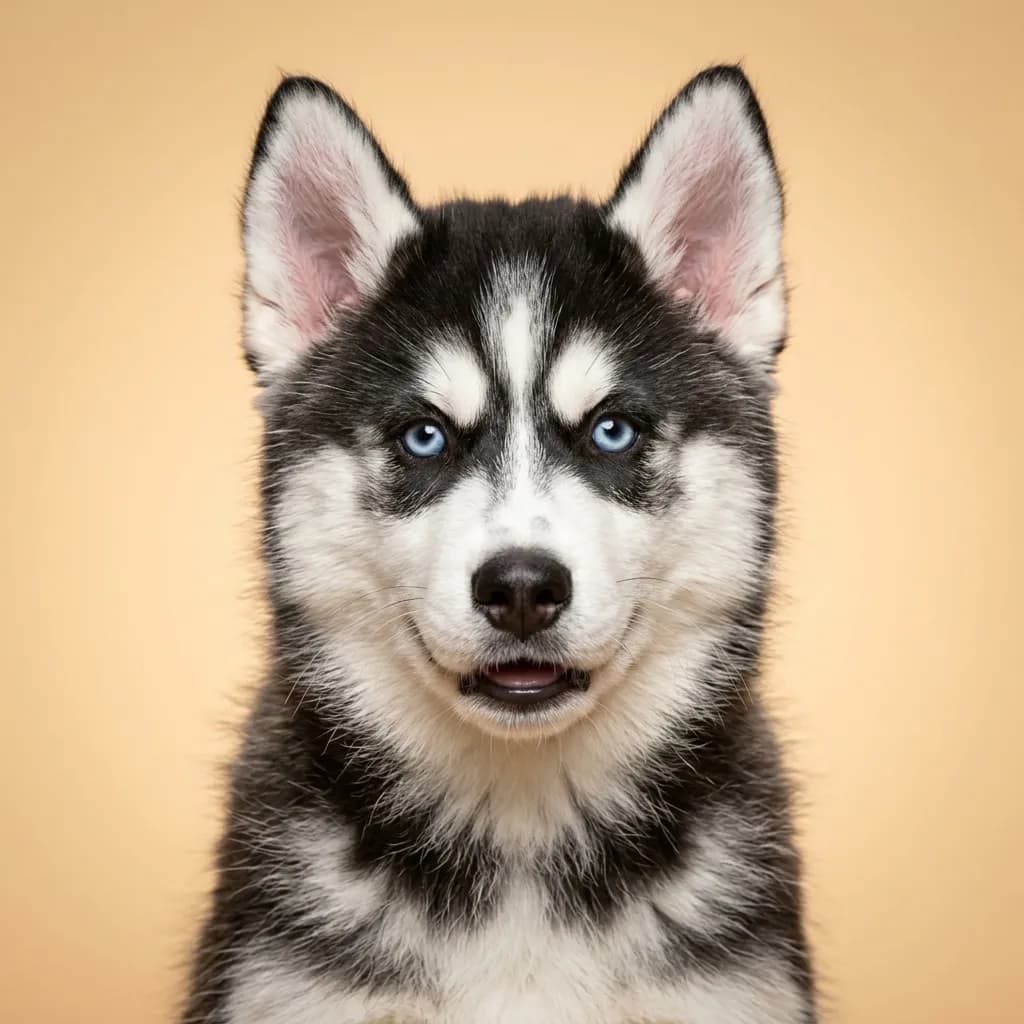
You’re probably not comparing a Biewer Terrier and a Siberian Husky because you think they’re similar. You’re comparing them because you’re torn between two ideas of what a dog can be. one is a living accessory, the other a force of nature. The Biewer is the silk-robed jester of the toy world, bred for laps and laughter, while the Husky is a wolf-eyed athlete built for 30-mile runs in subzero winds. If you live in a city apartment and want a loyal, hypoallergenic companion who fits in your tote bag, the Biewer is your guy. He’s sweet with older kids, doesn’t shed much, and adapts to your schedule like a pro. But he’s fragile. both physically and in temperament. He doesn’t do chaos, and he definitely doesn’t do stairs unsupervised. Hypoglycemia and delicate knees mean you’ll need to be vigilant, especially if you’ve got a house full of rambunctious energy. The Husky? He’s the dog that will pull you through snowdrifts and then lick your face like he meant to come back all along. He’s great with kids, sure, but he’s also great at disappearing over the horizon. That independent streak makes training a grind, and the shedding? It’s not shedding. it’s a seasonal home renovation. You’ll find fur in places you didn’t know had crevices. Here’s the real talk: the Biewer wants to be your shadow. The Husky merely tolerates your presence when he’s not plotting his next escape. Pick the Biewer if your life is structured and you want intimacy in miniature. Pick the Husky if you’re okay being the side character in your dog’s epic adventure. One is a velveteen confidant, the other a four-legged Houdini with a fur coat. Know which story you’re signing up for.
Trait-by-trait
Higher bar = more of that trait. Shedding, barking, drooling, grooming flipped for readability.Where they diverge
Choose the Biewer Terrier if…
- apartment living
- singles and seniors
- families with older children
- You value coat grooming — Biewer Terrier scores noticeably higher.
Choose the Siberian Husky if…
- Active owners who exercise daily
- Cold climate households
- Families with children
- You value shedding level — Siberian Husky scores higher here.