Black and Tan Coonhound vs Papillon
Side-by-side comparison across all 14 AKC trait ratings, with a clear verdict on which breed fits which kind of household.

Not sure which breed fits your life?
Answer five questions about your home, your schedule, and your tolerance for shedding. We’ll match you to your top three breeds from over 200.
Black and Tan Coonhound vs Papillon
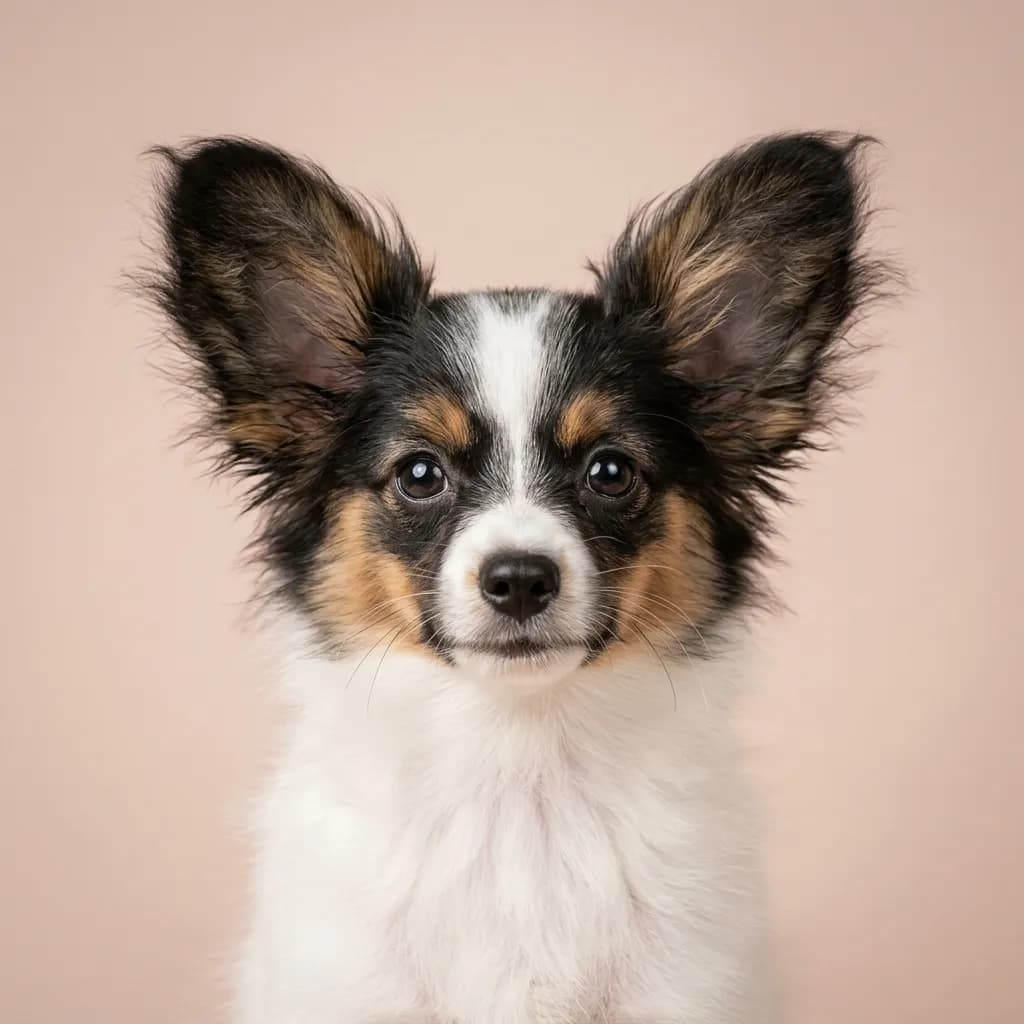
People compare the Black and Tan Coonhound and the Papillon because both are friendly, affectionate dogs with big personalities. but that’s where the similarities end. One is a 100-pound scent hound built for tracking raccoons through dense forests; the other is a 7-pound lapdog with butterfly ears who learned to charm kings in royal courts. You’re not just choosing size here. You’re choosing a lifestyle. If you live on a quiet acreage and love hunting, hiking, or just having a calm, steady companion who doesn’t mind a bit of mud, the Coonhound fits like an old flannel shirt. They’re patient with kids, get along with other dogs, and won’t drive you crazy with hyper-alert barking. though they will bay when they catch a scent. You just can’t ignore that bark; it carries for miles. They’re not the easiest to train, and they don’t need constant mental puzzles, but they’re steady, brave, and deeply loyal. The Papillon? This dog thrives on engagement. They’re tiny, yes, but don’t mistake them for passive. They’re alert, quick, and excel in agility or obedience trials. If you’re into dog sports or want a travel-ready companion who adapts to city life, this is your dog. But they’re always on. They’ll bark at the mailman, the squirrel, the whisper of a curtain. And their fragility means they’re not ideal for homes with toddlers who don’t know their own strength. Here’s the real talk: the Coonhound will follow you into the woods and stay calm when the world gets loud. The Papillon will follow you onto the couch and make sure you never miss a single sound in your home. Pick based on the life you actually live. not the one you imagine.
Trait-by-trait
Higher bar = more of that trait. Shedding, barking, drooling, grooming flipped for readability.Where they diverge
Choose the Black and Tan Coonhound if…
- Active people
- Hunters
- Rural homes
- You value good with other dogs — Black and Tan Coonhound scores noticeably higher.
Choose the Papillon if…
- Apartment living
- Active owners
- Families with older children
- You value good with strangers — Papillon scores higher here.