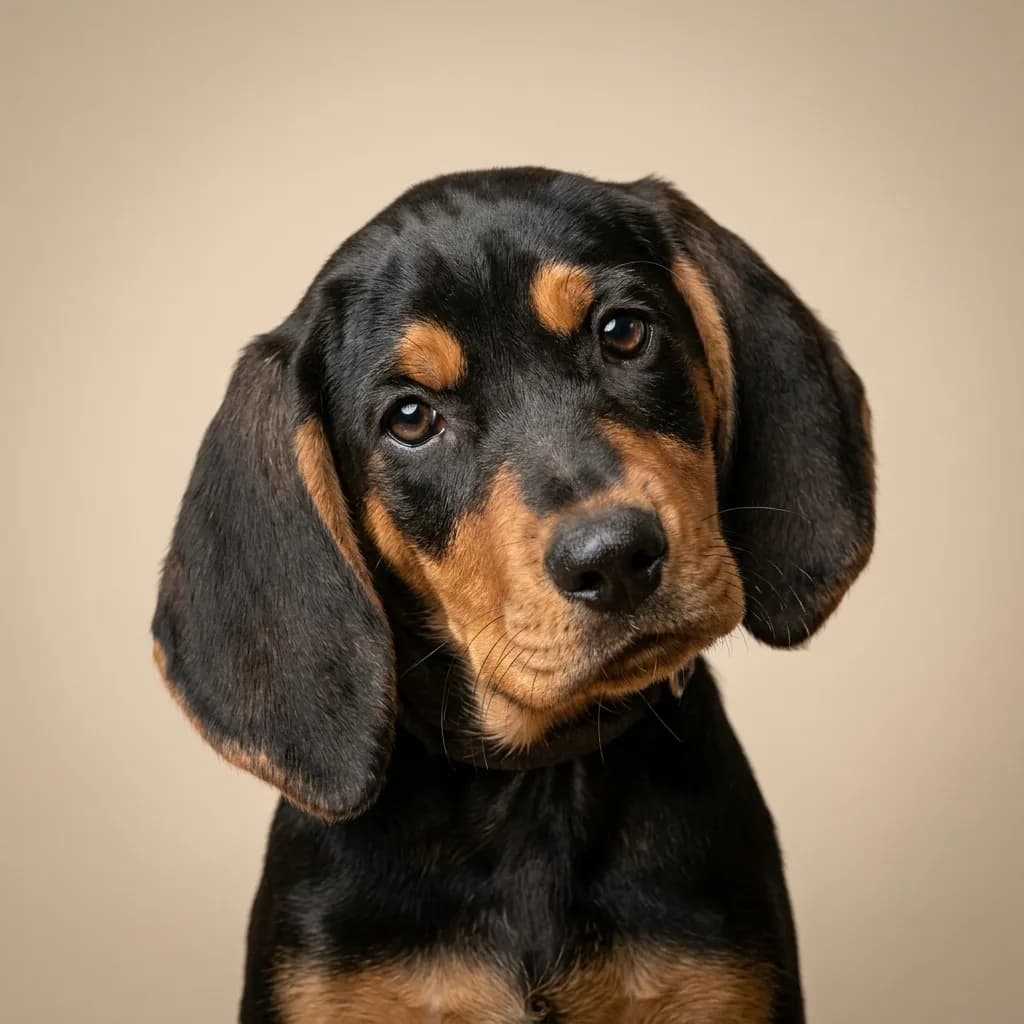
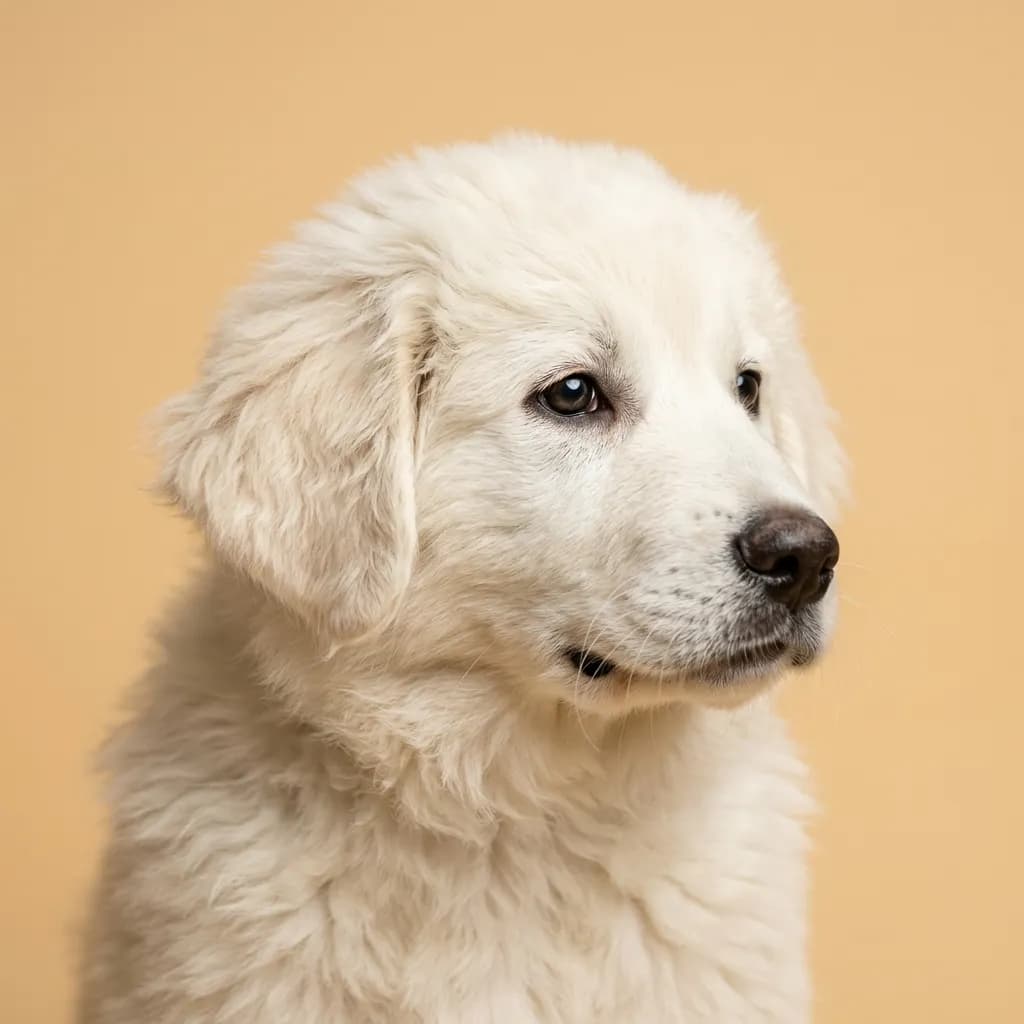
Black and Tan Coonhound vs Slovensky Cuvac
Side-by-side comparison across all 14 AKC trait ratings, with a clear verdict on which breed fits which kind of household.
Not sure which breed fits your life?
Answer five questions about your home, your schedule, and your tolerance for shedding. We’ll match you to your top three breeds from over 200.
Black and Tan Coonhound vs Slovensky Cuvac
You don’t see people comparing a Black and Tan Coonhound to a Slovensky Cuvac every day, but it happens. usually from someone drawn to big, noble-looking dogs with deep roots and a protective streak. Maybe they want a loyal companion for a rural property and got curious. On the surface, both are large, sturdy, and built for serious work. But that’s where the similarities end. The Coonhound is your neighborly giant. the one who’ll bark at a squirrel three counties away but then flop over for belly rubs from kids. He’s bred to follow a scent for miles, which means he’s independent, a bit stubborn, and will howl like a country song if left alone too long. You’ll need space, patience, and a tolerance for dog hair on your dark clothes. He’s happiest with a job or a hike. The Cuvac is a different kind of quiet. Massive and white as mountain snow, he’s bred to stand alone at night, watching over sheep in the Carpathians. He’s not loud, but he’s intensely alert. He won’t welcome strangers with a wag, and he’s not a fan of chaos. Kids might intimidate him, and he needs a confident owner who speaks dog fluently. He sheds like a blizzard and needs cold weather to thrive. Pick the Coonhound if you want a friendly, active dog who loves company and doesn’t mind noise. Pick the Cuvac if you need a guardian first, a companion second, and live on acres where silence matters. Here’s what the data won’t tell you: the Coonhound bonds through adventure, the Cuvac through vigilance. One wants to follow you into the woods. The other wants to make sure you’re safe when you get back.
Trait-by-trait
Higher bar = more of that trait. Shedding, barking, drooling, grooming flipped for readability.Where they diverge
Choose the Black and Tan Coonhound if…
- Active people
- Hunters
- Rural homes
- You value barking level — Black and Tan Coonhound scores noticeably higher.
Choose the Slovensky Cuvac if…
- experienced large-breed owners
- farms and large properties
- cold climates
- You value watchdog / protective — Slovensky Cuvac scores higher here.