Slovensky Cuvac vs Tornjak
Side-by-side comparison across all 14 AKC trait ratings, with a clear verdict on which breed fits which kind of household.
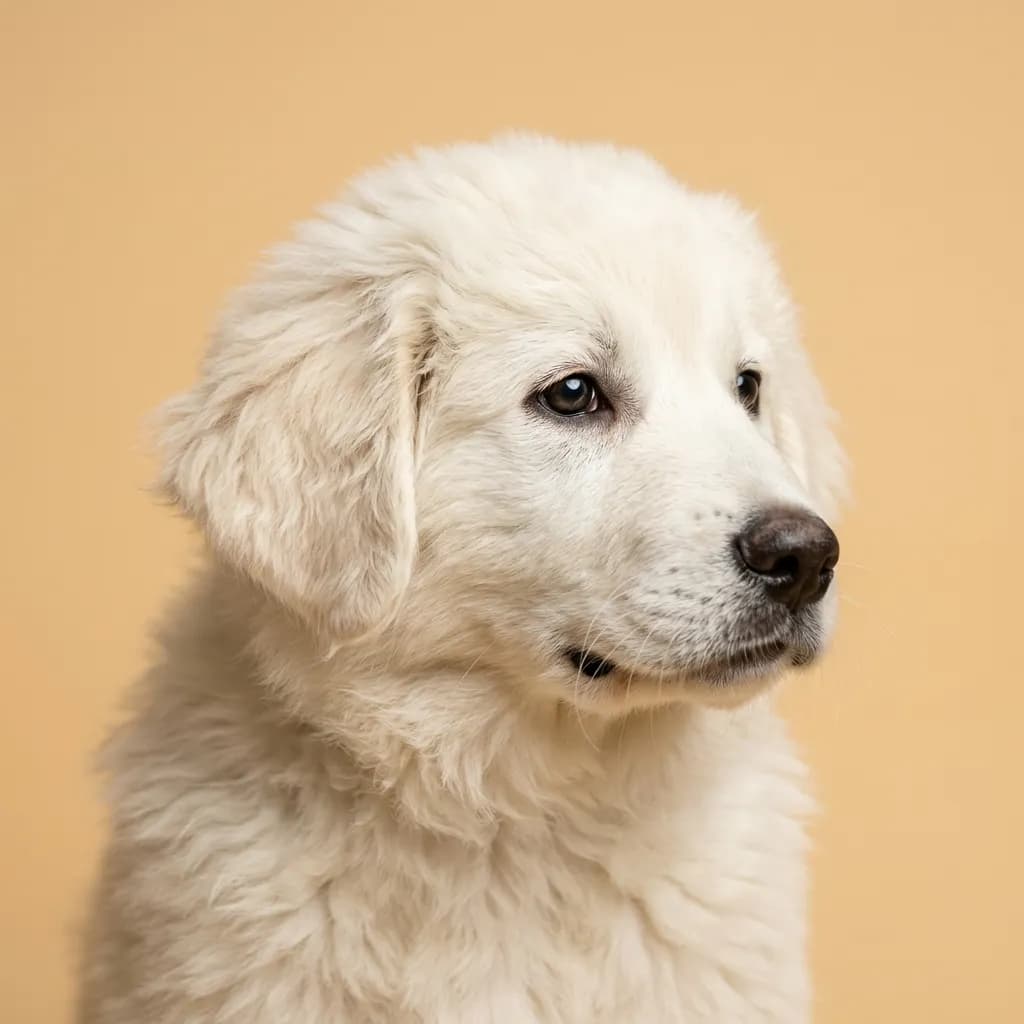
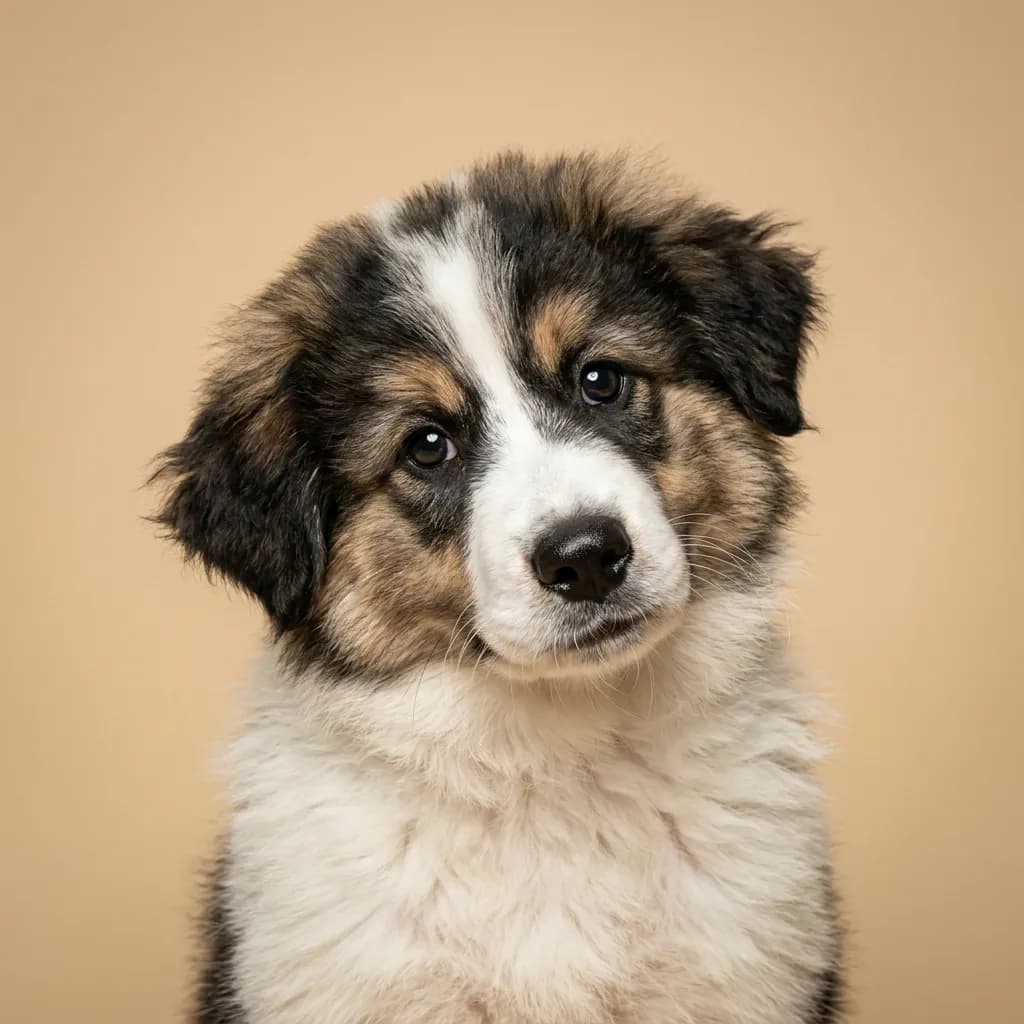
Not sure which breed fits your life?
Answer five questions about your home, your schedule, and your tolerance for shedding. We’ll match you to your top three breeds from over 200.
Slovensky Cuvac vs Tornjak
People don’t usually wake up wanting a Slovensky Cuvac or a Tornjak. These aren’t Instagram-famous breeds. You find them when you’ve got land, a need for a guardian, and the guts to handle a big dog with old-world instincts. Folks compare them because they’re rare, sizeable livestock guardians from neighboring regions of Eastern Europe, both white-coated and built for cold, rugged terrain. On paper, they look like twins. But live with one, and the differences hit hard. The Slovensky Cuvac is the more reserved of the two. It’s faithful to its people, yes, and deeply affectionate in private, but it doesn’t warm up fast. It’s got that classic guardian wariness—quiet, observant, and it won’t bark unless something’s wrong. That low barking score? It’s real. This dog trusts its own judgment more than your command. The Tornjak, meanwhile, is a bit more approachable. It’s still no lapdog, but it’s friendlier with strangers and more likely to alert you with a bark, even if the “threat” is just the mail truck passing by. Here’s the real difference: the Tornjak has a slightly softer edge. It’s still stubborn, still needs experienced handling, but it’s more willing to meet you halfway. The Cuvac? It respects strength and consistency, not enthusiasm. If you’re on a farm with free-roaming livestock and minimal daily interaction, the Cuvac’s independence is a gift. But if you want a guardian that’s a bit more integrated into family life—say, with kids playing near the barn—the Tornjak’s slightly higher sociability might save you stress. One thing no breeder will tell you upfront: both breeds shed like snowstorms in spring. And that beautiful white coat? It’s a mud magnet. You’ll be brushing daily, not for looks, but to keep mats from forming and skin from suffocating. These aren’t dogs you groom for show. You groom them to survive.
Trait-by-trait
Higher bar = more of that trait. Shedding, barking, drooling, grooming flipped for readability.Where they diverge
Choose the Slovensky Cuvac if…
- experienced large-breed owners
- farms and large properties
- cold climates
- You value good with other dogs — Slovensky Cuvac scores noticeably higher.
Choose the Tornjak if…
- Experienced large-breed owners
- Farm or rural settings
- Livestock guardian needs
- You value barking level — Tornjak scores higher here.