Slovensky Cuvac
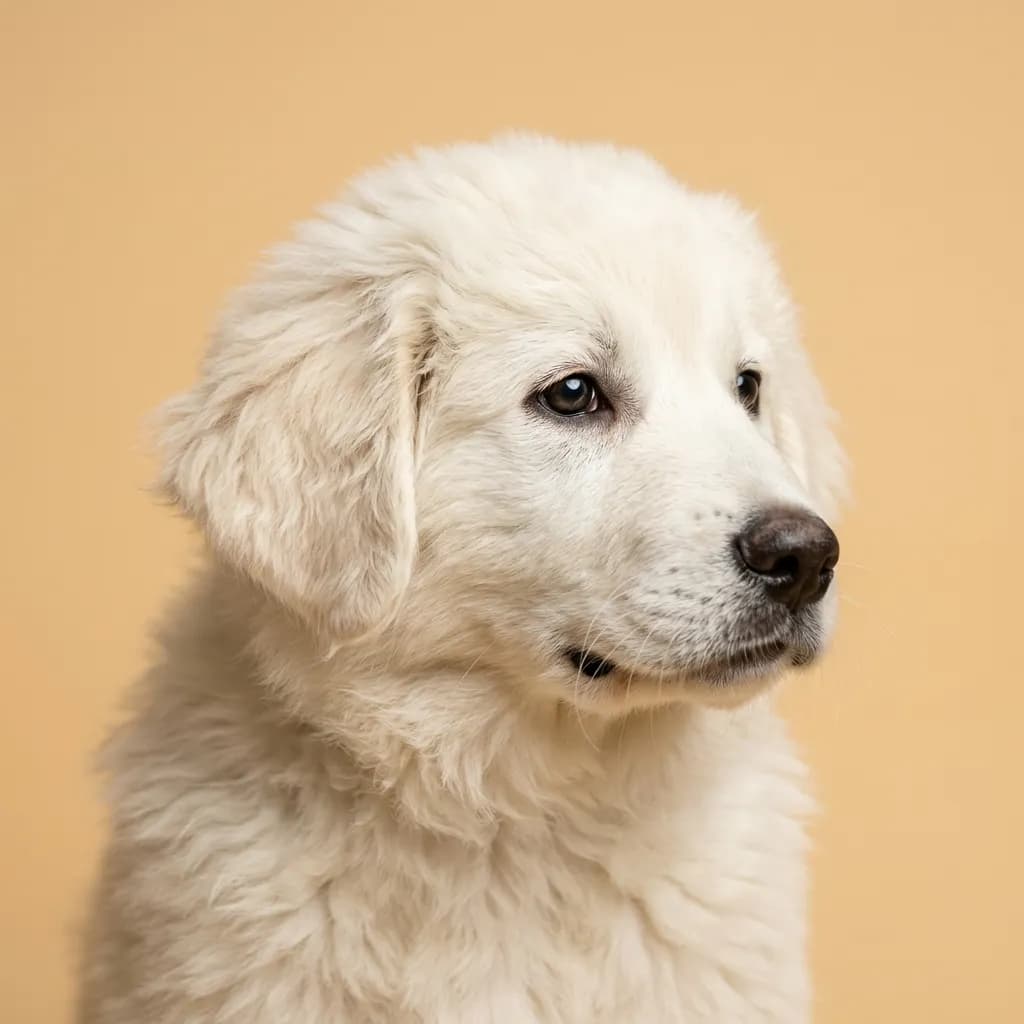
A big, thick-coated flock guardian from the Carpathian mountains who takes its job seriously and doesn't need you to explain it. Slovensky Cuvacs are calm and affectionate with their family but will position themselves between you and anything they don't recognize. Needs space, structure, and an owner who's handled livestock-guardian breeds before.
Free weekly training plan, specific to your Slovensky Cuvac’s age. Exactly what to focus on this week.
Get your free training planLiving with a Slovensky Cuvac
The Slovensky Cuvac is a striking white livestock guardian from Slovakia, built to withstand harsh mountain winters and stand firm against predators. Originally bred to protect flocks in the Carpathian Mountains, this breed has been recognized by the AKC’s Foundation Stock Service since 2014 but remains rare outside its homeland. Don’t be fooled by the fluffy, cloud-like coat, this is a powerful, independent thinker weighing between 68 and 97 pounds, standing 23 to 27.5 inches tall, with a temperament that’s courageous, alert, and deeply faithful to its family.
In real life, living with a Cuvac means sharing your space with a calm but watchful presence. They’re not hyperactive, energy sits at a 3 out of 5, but they do need daily movement, like long walks or secure off-leash time in a large yard. Mental stimulation matters too, though their trainability is only moderate.
This isn’t a people-pleaser like a Labrador. They’re independent by design, which means consistency and early socialization are non-negotiable. They bark infrequently (1 out of 5), which is great, but their loyalty comes with wariness toward strangers and a strong instinct to patrol and protect.
Grooming is no joke. With shedding rated 4 out of 5, you’ll be brushing several times a week, especially during seasonal blowouts. That thick double coat is built for snow, not city apartments.
And that’s why adaptability scores low. 2 out of 5. They thrive in cold climates with space to roam, not in cramped urban settings or hot, humid regions without serious cooling support.
Health-wise, watch for hip and elbow dysplasia, bloat, and eye issues. A $1000. $3000 price tag from a responsible breeder should include OFA-tested parents.
Routine vet checks, slow feeding, and avoiding exercise after meals help manage risks. They’re best for experienced owners who understand guardian breeds, think farmers, homesteaders, or rural families with secure property. Not for first-timers or apartment dwellers.
Here’s the thing most people miss: the Cuvac isn’t aloof because it’s unfriendly. It’s observant because its job is to assess threats before acting. That quiet vigilance isn’t coldness.
It’s competence.
14 traits, at a glance.
Every breed on PuppyBase is rated across the 14 trait dimensions the American Kennel Club publishes — from trainability to drooling level. The higher the score, the better the fit for that trait.
What to expect day-to-day
Things to screen for
- Hip dysplasia
- Elbow dysplasia
- eye conditions
- Bloat (GDV)
See a full price breakdown — first-year costs, lifetime estimate, breeder vs. adoption.
Full price guideSimilar breeds
Browse all 200+
Common questions
How long do Slovensky Cuvacs live?
Slovensky Cuvacs typically live between 11 and 13 years. With proper care, a good diet, and regular vet checkups, they can reach the upper end of that range.
How much does a Slovensky Cuvac puppy cost?
A Slovensky Cuvac puppy usually costs between $1,200 and $3,000, with most reputable breeders averaging around $2,000. The price can vary based on lineage, breeder location, and availability.
How much do Slovensky Cuvacs shed?
Slovensky Cuvacs shed heavily, especially during seasonal changes. Their long double coat requires regular attention, and you'll need to manage a lot of loose fur year-round.
What colors do Slovensky Cuvacs come in?
Slovensky Cuvacs come only in pure white. Any other color or markings are not standard for the breed.
How big do Slovensky Cuvacs get?
Adult Slovensky Cuvacs stand between 23 and 27.5 inches tall and weigh between 68 and 97 pounds. Males are generally larger than females.
Are Slovensky Cuvacs smart?
Yes, Slovensky Cuvacs are intelligent, especially when it comes to guarding and assessing threats. They learn quickly in the right context but can be independent thinkers, which affects training.
Are Slovensky Cuvacs hypoallergenic?
No, Slovensky Cuvacs are not hypoallergenic. They shed a lot and produce dander, making them unsuitable for most people with allergies.
Are Slovensky Cuvacs aggressive?
They're not aggressive without cause, but they are highly protective and deeply suspicious of strangers. Poor socialization or handling can lead to inappropriate guarding behavior.
What health problems are common in Slovensky Cuvacs?
Common health issues include hip and elbow dysplasia, bloat, and certain eye conditions. Regular screening and preventive care are important for long-term health.
Do Slovensky Cuvacs bark a lot?
No, Slovensky Cuvacs rarely bark. They're quiet by nature but remain highly alert and will act decisively if they sense danger, even without vocal warning.
Are Slovensky Cuvacs easy to train?
They're moderately trainable but have a strong independent streak typical of livestock guardians. Success requires consistency, experience, and early socialization.
Are Slovensky Cuvacs good family dogs?
They can be loyal and affectionate with their family, but they're best suited to homes with older children and experienced owners who understand guardian breeds.
Are Slovensky Cuvacs good with cats?
They can coexist with cats if raised together, but their guarding instincts may kick in with unfamiliar animals. Supervision and early exposure are key.
Are Slovensky Cuvacs good guard dogs?
They are exceptional natural guard dogs, bred for centuries to protect flocks in remote mountain areas. They're alert, courageous, and will act without hesitation when needed.
Can Slovensky Cuvacs live in apartments?
No, Slovensky Cuvacs are not suited for apartment living. They need a large yard or rural property where they can roam and fulfill their guarding instincts.
Are Slovensky Cuvacs good first dogs?
No, they are not recommended for first-time dog owners. Their size, independence, and guarding drive require an experienced handler who knows how to manage large, strong-willed breeds.
Not sure which breed fits your life?
Answer five questions about your home, your schedule, and your tolerance for shedding. We’ll match you to your top three breeds from over 200.