Black Russian Terrier vs Harrier
Side-by-side comparison across all 14 AKC trait ratings, with a clear verdict on which breed fits which kind of household.

Not sure which breed fits your life?
Answer five questions about your home, your schedule, and your tolerance for shedding. We’ll match you to your top three breeds from over 200.
Black Russian Terrier vs Harrier
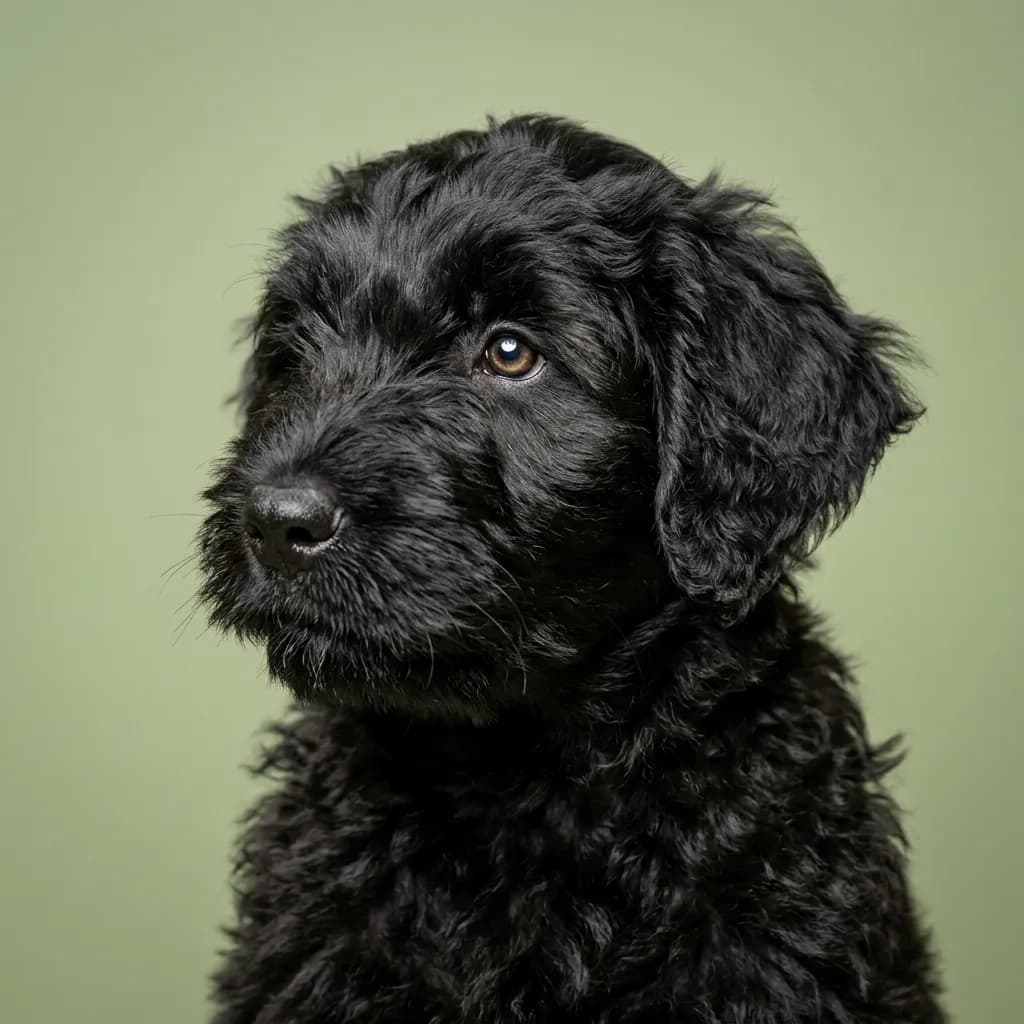
You’re not going to find these two at the same dog park, honestly. People compare Black Russian Terriers and Harriers mostly because they’re both big-ish, active breeds that aren’t super common, and someone’s probably scrolling late at night wondering, “Could I handle either?” That’s where the similarity ends. The Black Russian Terrier is a fortress on a leash. These dogs were built by the Soviet military to guard remote outposts in Siberia. They’re calm, yes, but it’s the calm of a predator who knows its strength. You need experience to lead one. They’re smart, loyal, and will adapt to cold climates like it’s nothing, but they’re not a family jokester. They’re serious about their job, even if the job is just watching you fold laundry. And with kids? They’re not naturally patient with toddlers, so supervision isn’t optional. The Harrier, though. that’s a different kind of energy. Imagine a beagle magnified by three. They were bred to run for hours in packs, baying at the top of their lungs after hares. They’re friendly with everyone, love kids, and thrive in active homes with yards and trails. But here’s the real talk: if you’re hoping for a dog that comes when called, you’ll need a miracle. Their nose rules their brain. Pick the Black Russian Terrier if you want a loyal, powerful protector and have the experience to guide it. Choose the Harrier if you love movement, noise, and a dog that’s always game for a hike and will greet every stranger like a long-lost cousin. Here’s what the data won’t tell you: the Harrier’s bark can echo for miles, but the Black Russian Terrier’s silence? That’s what you should pay attention to.
Trait-by-trait
Higher bar = more of that trait. Shedding, barking, drooling, grooming flipped for readability.Where they diverge
Choose the Black Russian Terrier if…
- Experienced owners
- Active people
- Cold climates
- You value coat grooming — Black Russian Terrier scores noticeably higher.
Choose the Harrier if…
- Active families
- Hunters
- Rural living
- You value affectionate w/ family — Harrier scores higher here.