Bluetick Coonhound vs Kishu Ken
Side-by-side comparison across all 14 AKC trait ratings, with a clear verdict on which breed fits which kind of household.
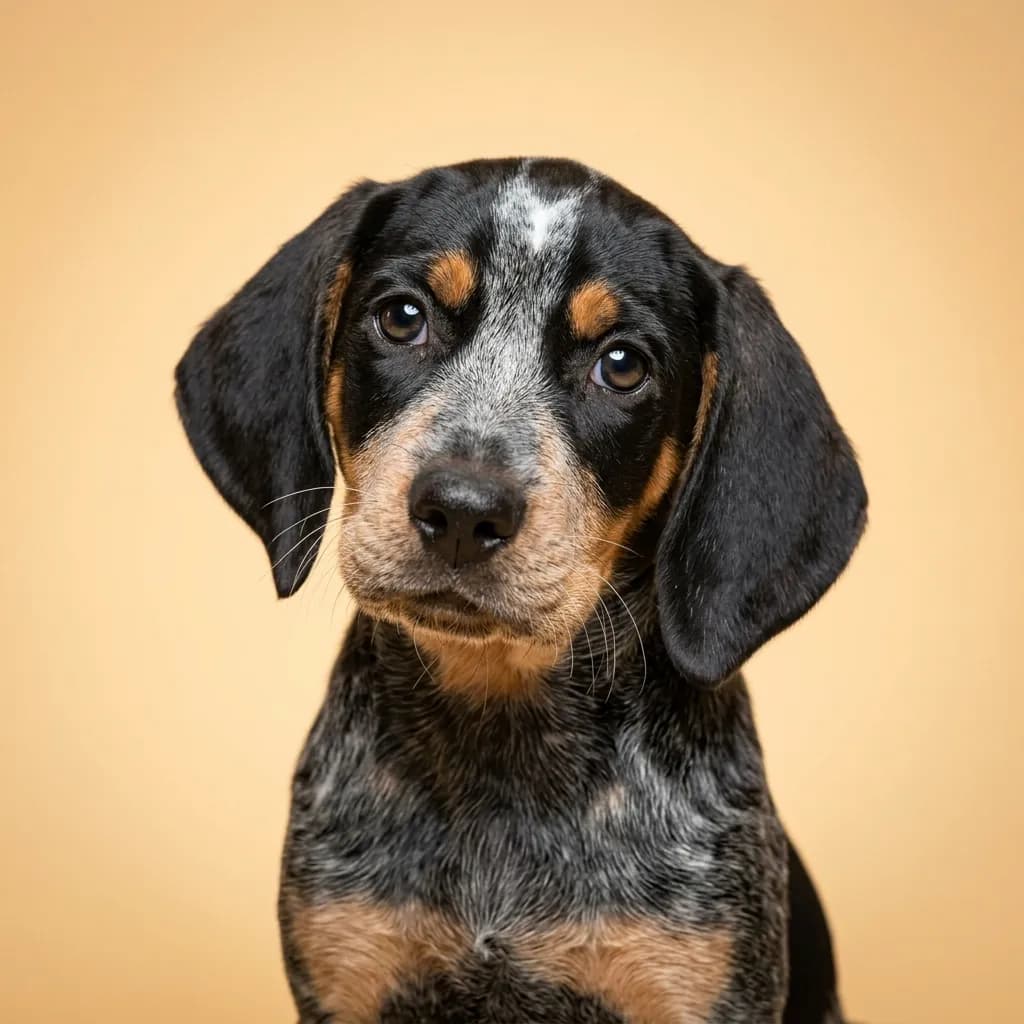
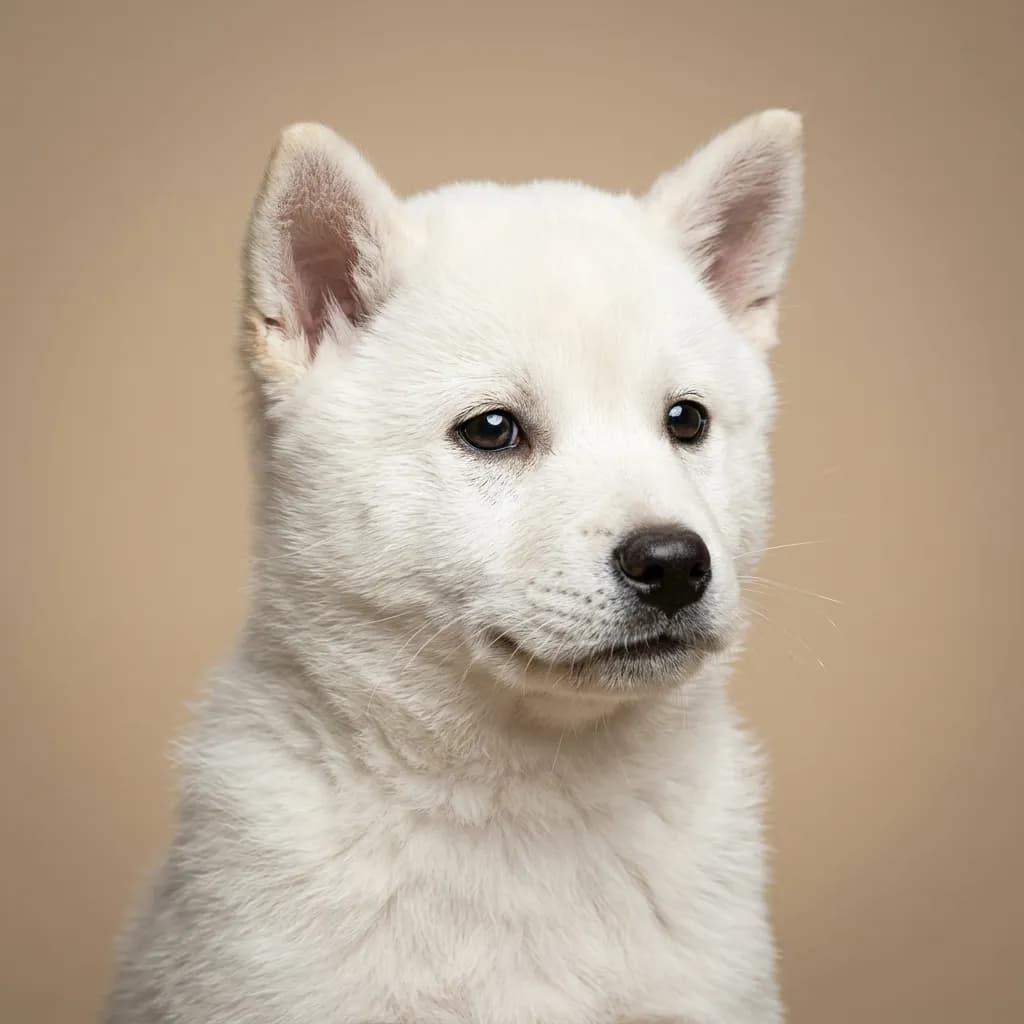
Not sure which breed fits your life?
Answer five questions about your home, your schedule, and your tolerance for shedding. We’ll match you to your top three breeds from over 200.
Bluetick Coonhound vs Kishu Ken
People compare Bluetick Coonhounds and Kishu Kens because both are rare, driven working dogs with deep hunting roots and a striking appearance. But that’s where the similarities end. If you’re drawn to one, you’re probably not suited for the other. The Bluetick is the loud, all-in teammate. You’ll hear him before you see him. a deep, rhythmic bay that carries for miles. Bred to tree raccoons in the southern U.S., he’s social, persistent, and thrives in a pack. He bonds with everyone in the household but doesn’t care much about personal space. You’ll need space, time, and patience for his energy and voice. He’s more trainable than most hounds, but that nose will always win over your recall command. The Kishu Ken, by contrast, is the silent warrior. Quiet to the point of stealth, this Japanese mountain dog was bred to hunt boar solo and return when he felt like it. He’s intensely loyal to his person, aloof with strangers, and can be aggressive toward other animals. especially anything small that moves. He’s not stubborn; he’s just built for independence. You don’t own a Kishu. You earn his cooperation. Here’s the real difference: the Bluetick wants to work with you. The Kishu decides whether to let you tag along. Families with kids and other dogs might manage a Bluetick with training. A Kishu needs an experienced handler who respects his boundaries and provides firm, consistent leadership. If you crave a vocal, gregarious outdoor partner, go Bluetick. If you want a dignified, watchful guardian who moves like a ghost through the woods, the Kishu might be your match. But don’t get a Kishu because it looks exotic. This dog isn’t a project. He’s a legacy.
Trait-by-trait
Higher bar = more of that trait. Shedding, barking, drooling, grooming flipped for readability.Where they diverge
Choose the Bluetick Coonhound if…
- Active people
- Hunters
- Rural homes
- You value barking level — Bluetick Coonhound scores noticeably higher.
Choose the Kishu Ken if…
- Experienced dog owners
- Active owners
- Cold climates
- You value good with strangers — Kishu Ken scores higher here.