Bohemian Shepherd vs Schapendoes
Side-by-side comparison across all 14 AKC trait ratings, with a clear verdict on which breed fits which kind of household.

Not sure which breed fits your life?
Answer five questions about your home, your schedule, and your tolerance for shedding. We’ll match you to your top three breeds from over 200.
Bohemian Shepherd vs Schapendoes
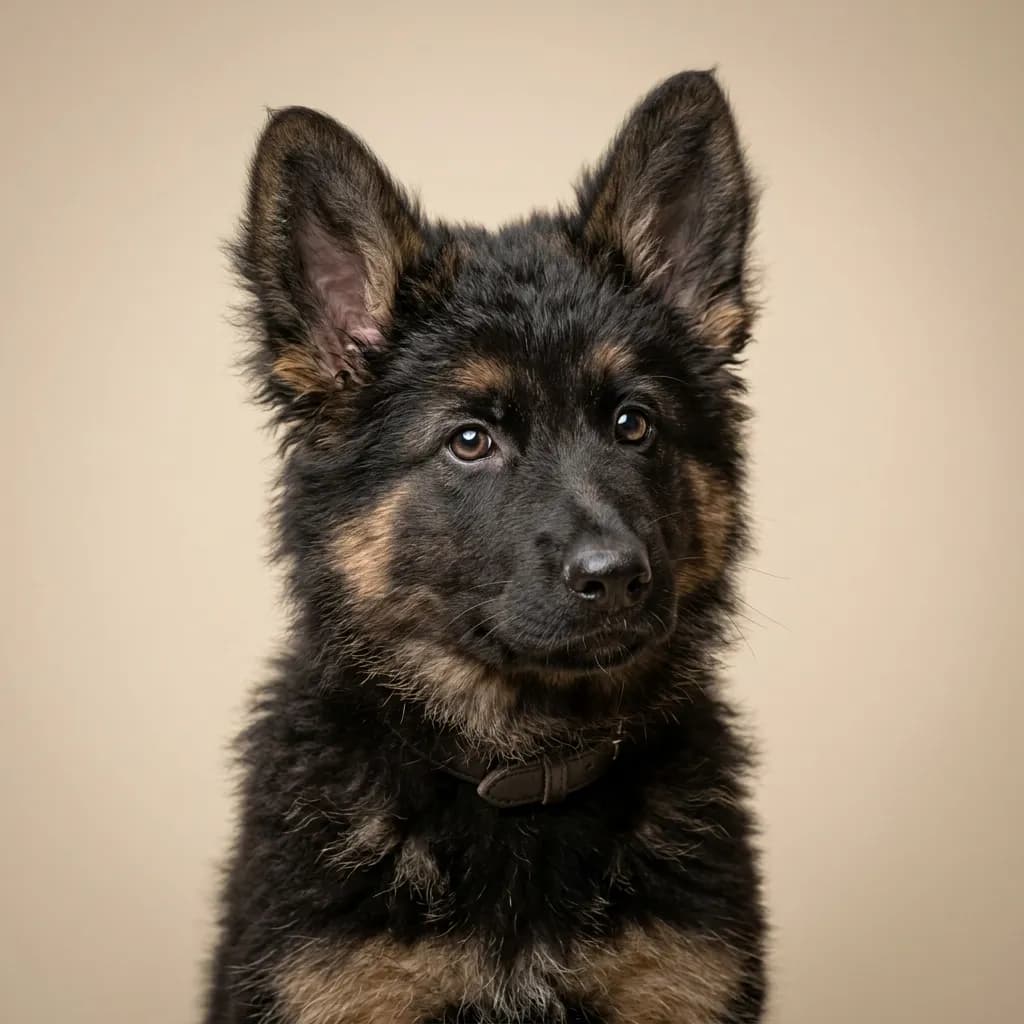
People compare the Bohemian Shepherd and Schapendoes because both are rare, herding-type dogs with shaggy coats and a spark in their eyes that says, “I want to work.” They look alike in photos. floofy, medium-sized, lively. but if you’ve lived with one, you know the difference is in the rhythm. One syncs with your daily life. The other demands a lifestyle built around it. The Schapendoes is the lighter, quicker soul. nimble at 26 pounds, with a coat that needs weekly upkeep but rewards you with a dog that thrives in agility, loves a job, and bonds fiercely. They’re bouncy, clever, and surprisingly adaptable for a herder. You can manage them in a house with a yard and a solid routine. Kids? They’ll tolerate them, but don’t expect the Schapendoes to be the patient nanny dog. The Bohemian Shepherd is heavier, calmer in the frame, built like a compact guardian. They’re more reserved, more intense. bred not just to move sheep but to watch over them. That means a deeper loyalty, more wariness with strangers, and less forgiveness if you’re not providing structure. They’re excellent with kids, yes, but they need space and purpose. Apartment life? Forget it. Even a big yard without tasks will leave them restless. Here’s the real talk: both need mental work, but the Schapendoes will adapt to your version of it. The Bohemian Shepherd wants their version. on their terms. If you’re drawn to the Bohemian Shepherd, be honest. do you want a partner, or a pet? Because this dog won’t play the second role well. The Schapendoes, meanwhile, is the athlete who’ll follow your lead, as long as you keep the game going.
Trait-by-trait
Higher bar = more of that trait. Shedding, barking, drooling, grooming flipped for readability.Where they diverge
Choose the Bohemian Shepherd if…
- Active people
- Families
- Experienced owners
- You value good with young children — Bohemian Shepherd scores noticeably higher.
Choose the Schapendoes if…
- active families
- agility and herding sport enthusiasts
- experienced herding breed owners
- You value good with other dogs — Schapendoes scores higher here.