Bolognese vs Keeshond
Side-by-side comparison across all 14 AKC trait ratings, with a clear verdict on which breed fits which kind of household.

Not sure which breed fits your life?
Answer five questions about your home, your schedule, and your tolerance for shedding. We’ll match you to your top three breeds from over 200.
Bolognese vs Keeshond
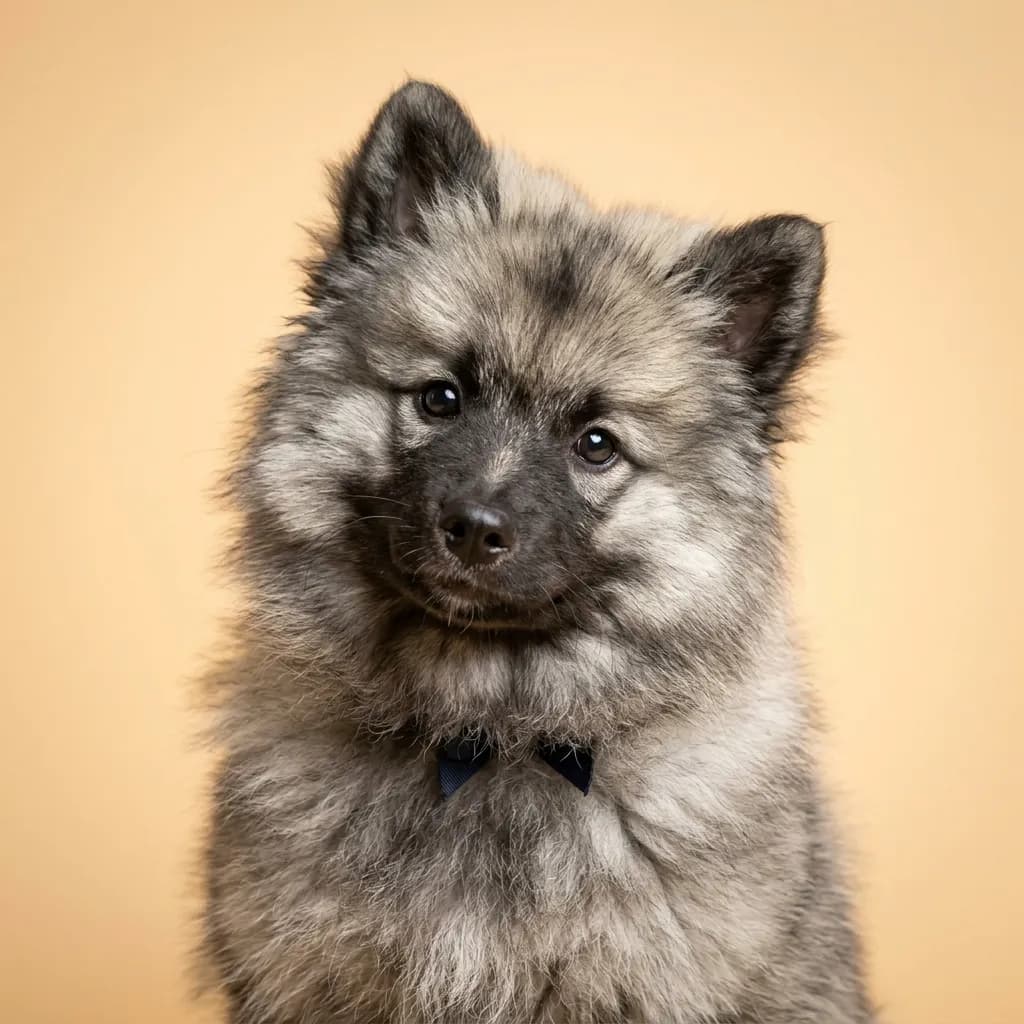
People compare Bolognese and Keeshonden because both are fluffy, affectionate companion dogs with big personalities in different packages. At first glance, you might think you’re choosing between a pocket-sized lapdog and a plush teddy bear. But the real difference isn’t just size. it’s lifestyle. The Bolognese is a quiet charmer, built for cozy apartments and calm households. Weighing under 10 pounds, this little Italian thrives on human presence. If you work from home or are a retiree who enjoys slow mornings and quiet evenings, they’ll curl up on your lap like they were made for it. because they were. They’re low-shedders, great for allergy sufferers, and don’t need much space. But don’t mistake their small size for low energy. They’ll play hard for bursts, but they’re not joining you on long hikes. And if you’re gone all day, they’ll worry. this isn’t a breed that does solitude well. The Keeshond, meanwhile, is a medium-sized, people-loving watchdog with a thick silver-and-gray coat and a voice to match. At 35 to 45 pounds, they’re sturdier, built for colder climates and active families. They’re eager to learn, highly social with kids, and surprisingly adaptable. for a dog that barks at every passing squirrel. They need daily walks and mental challenges, and their double coat means brushing isn’t optional. If you live in a hot climate, good luck keeping them comfortable. Here’s the honest truth beyond the data: the Bolognese bonds deeply with one or two people and can be wary of strangers. The Keeshond wants to be friends with everyone. including your mail carrier. If you want a personal shadow, go Bolognese. If you want a family mascot who greets life with wagging tail and loud opinion, the Keeshond’s your dog.
Trait-by-trait
Higher bar = more of that trait. Shedding, barking, drooling, grooming flipped for readability.Where they diverge
Choose the Bolognese if…
- Apartments
- Seniors
- Allergy sufferers
Choose the Keeshond if…
- Families with children
- Active owners
- Cold climates
- You value watchdog / protective — Keeshond scores higher here.