Boxer vs Lancashire Heeler
Side-by-side comparison across all 14 AKC trait ratings, with a clear verdict on which breed fits which kind of household.

Not sure which breed fits your life?
Answer five questions about your home, your schedule, and your tolerance for shedding. We’ll match you to your top three breeds from over 200.
Boxer vs Lancashire Heeler
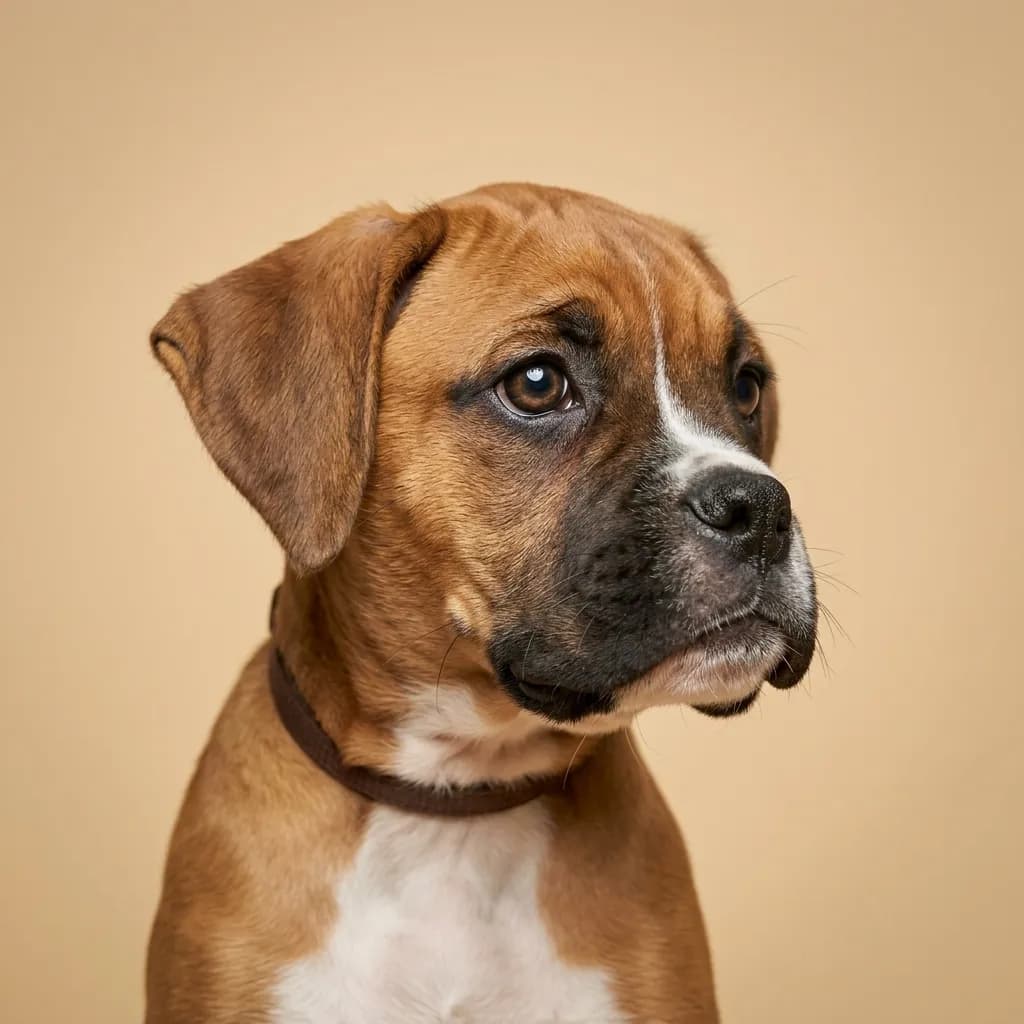
You’re not going to see a Boxer and a Lancashire Heeler side by side at the dog park every day, but people do compare them. usually because they want a loyal, spirited dog that’s smart and good with kids, yet compact enough to fit their life. That’s where the similarity ends. These two couldn’t be more different in form and function, despite sharing a love for activity and a sharp mind. The Boxer is the big, goofy heartbeat of a suburban family. At 70 pounds of muscle and enthusiasm, it’s a dog that will knock over a toddler by accident just trying to lick their face. It thrives on routine walks, playtime, and being part of the household chaos. But it struggles in heat, needs space, and comes with serious health risks. heart conditions and breathing issues aren’t rare, and you’ll pay vet bills accordingly. The Lancashire Heeler, meanwhile, is the feisty farmhand in miniature. Just over 10 inches tall, this little dog was bred to nip cattle heels and hunt rats. so it’s bold, loud, and always working. It adapts well to smaller properties, even apartments, as long as you’re out hiking or doing agility training. But it barks at everything and can be suspicious of strangers and small pets. It’s not a couch potato with opinions. it’s a watchdog with a job. If you’ve got kids and space and want a devoted, expressive companion, the Boxer wins. If you’re active, experienced, and want a compact dynamo for rural life or dog sports, the Heeler shines. Here’s the real talk: both breeds need a job. A bored Boxer will destroy your couch. A bored Heeler will herd your cat into the bathtub. Neither forgives inactivity. Pick based on your square footage and tolerance for barking, but know this. both demand engagement, not just affection.
Trait-by-trait
Higher bar = more of that trait. Shedding, barking, drooling, grooming flipped for readability.Where they diverge
Choose the Boxer if…
- Families
- Active people
- Experienced owners
- You value drooling level — Boxer scores noticeably higher.
Choose the Lancashire Heeler if…
- Active families
- Experienced dog owners
- Rural or farm settings
- You value good with other dogs — Lancashire Heeler scores higher here.