Boxer vs Papillon
Side-by-side comparison across all 14 AKC trait ratings, with a clear verdict on which breed fits which kind of household.

Not sure which breed fits your life?
Answer five questions about your home, your schedule, and your tolerance for shedding. We’ll match you to your top three breeds from over 200.
Boxer vs Papillon
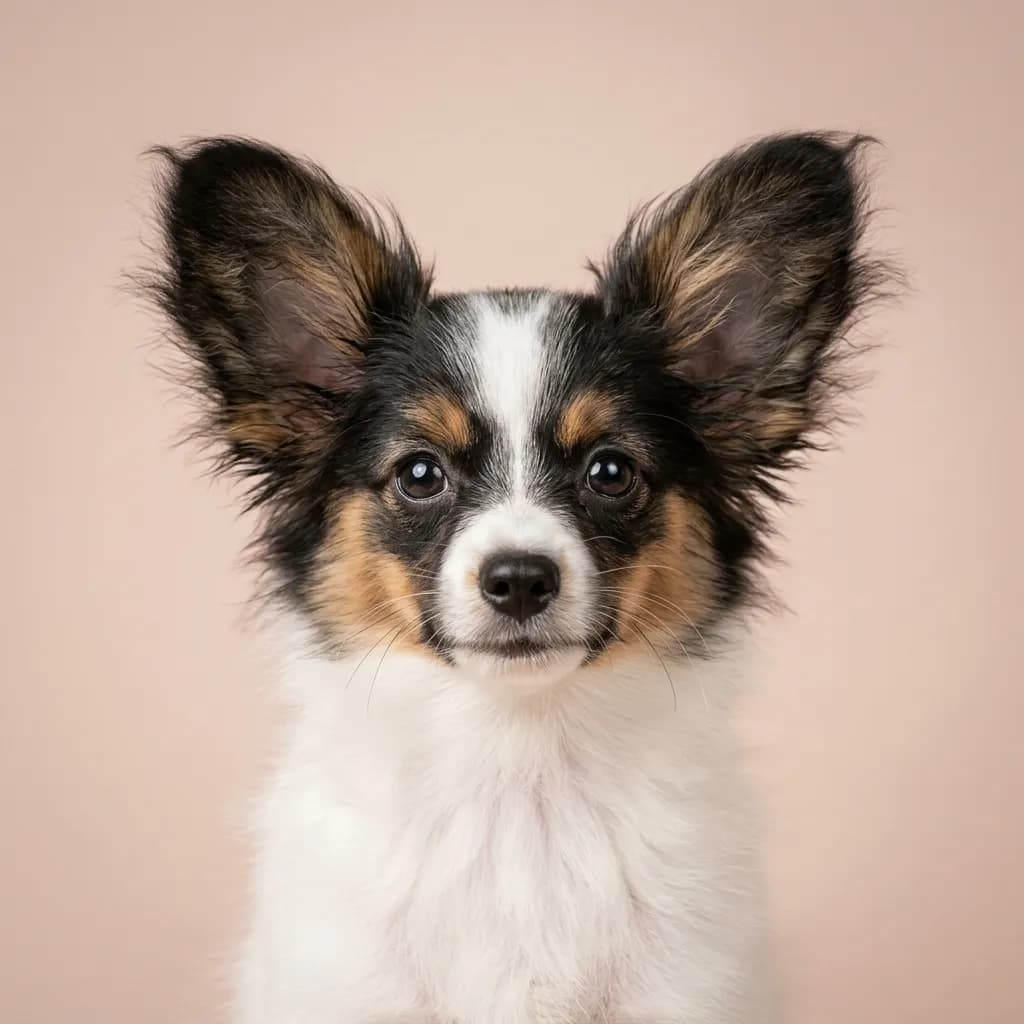
You'd never expect someone to compare a Boxer and a Papillon until you see both bounding toward you with the same goofy, tongue-lolling grin. People stack them up because both are energetic, loyal, and thrive on human connection. but that’s where the similarities end. It’s like choosing between a pickup truck and a sports car. Both get you places, but how you live with them? Totally different. The Boxer is a full-throttle family tank. At 70 pounds of muscle and mischief, they need space to crash, yards to patrol, and owners who don’t mind a dog that snores like a chainsaw. They’re patient with kids, yes, but their play style is full-body contact. You’ll adore their goofy loyalty, but don’t forget they’re brachycephalic. they overheat fast and can’t handle heat or stairs well as they age. Training’s a breeze, but you’ll need to invest in heart screenings; DCM is a real risk. The Papillon, meanwhile, is a featherweight genius in a butterfly coat. At 8 pounds, they zip around apartments like they’re on a mission, and they’ll beat you at agility, rally, or any game involving focus and speed. They’re fearless, affectionate, and ridiculously smart. but that bark? It’s nonstop. They’ll alert you to a leaf blowing past the window. And while they’re gentle, their size makes them a poor match for toddlers who might drop them. Here’s the truth beyond the numbers: the Boxer wants to be part of your life in the most physical way possible. The Papillon wants to win it. If you want a dog that molds into a busy household and grows into a gentle giant, go Boxer. If you want a nimble, brainy companion who’ll excel in structured fun and live well into her teens, the Papillon’s your spark. Choose based on how you move through your days. not just how cute you want your dog to look on the couch.
Trait-by-trait
Higher bar = more of that trait. Shedding, barking, drooling, grooming flipped for readability.Where they diverge
Choose the Boxer if…
- Families
- Active people
- Experienced owners
- You value drooling level — Boxer scores noticeably higher.
Choose the Papillon if…
- Apartment living
- Active owners
- Families with older children
- You value adaptability — Papillon scores higher here.