Boxer vs Thai Ridgeback
Side-by-side comparison across all 14 AKC trait ratings, with a clear verdict on which breed fits which kind of household.

Not sure which breed fits your life?
Answer five questions about your home, your schedule, and your tolerance for shedding. We’ll match you to your top three breeds from over 200.
Boxer vs Thai Ridgeback
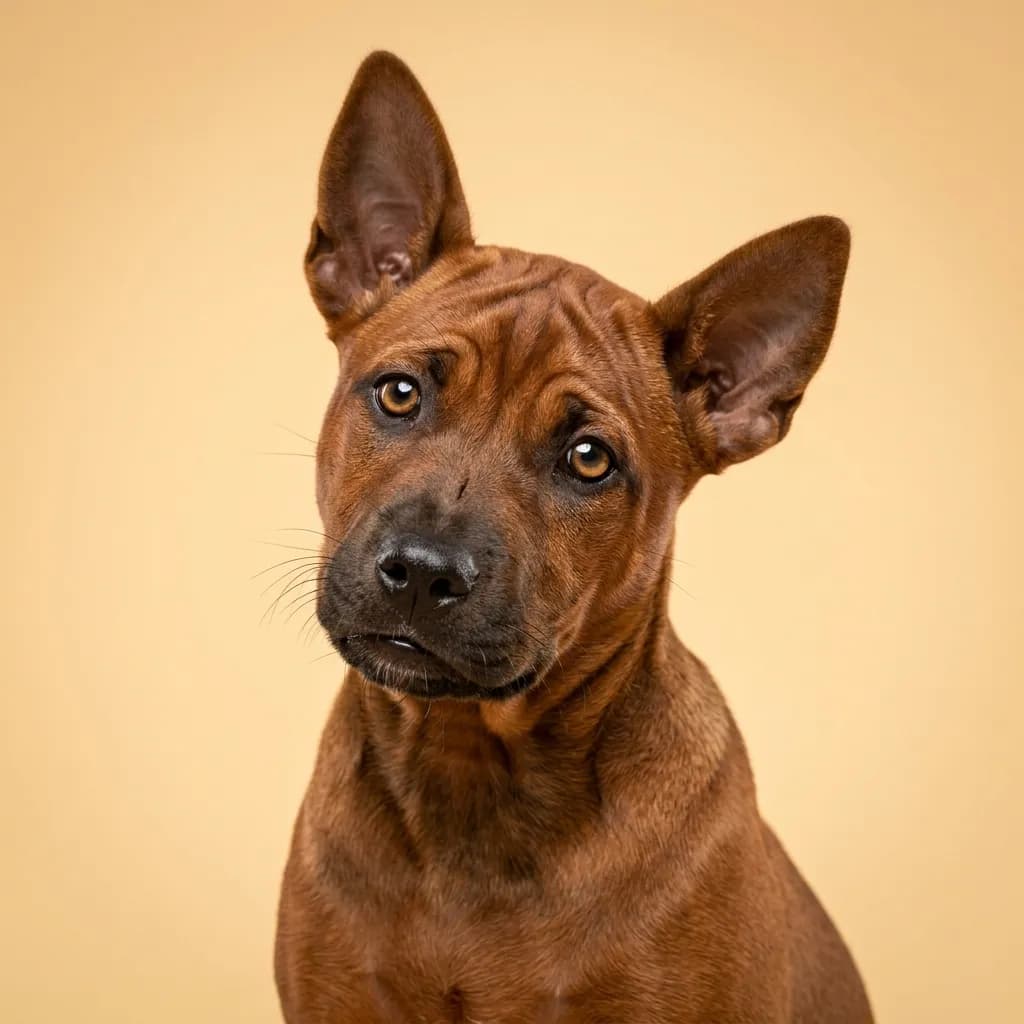
People compare Boxers and Thai Ridgebacks because they’re both medium to large, short-coated dogs with a muscular build and a reputation for loyalty. On paper, they even share similar energy and trainability scores. But that’s where the similarities end. Choosing between them isn’t about preference for wrinkles or a ridge of hair. it’s about lifestyle, experience, and what kind of bond you want with your dog. The Boxer is the family comedian with a heart of gold. Bred as a working guard dog in Germany, it thrives on connection, kids underfoot, and a suburban yard where it can play fetch all afternoon. It’s affectionate, eager to please, and will follow you from room to room like a shadow. But it’s not built for heat, and its brachycephalic face means summer walks can be risky. You’ll also need patience for its goofy, high-energy adolescence. it’s a dog that never fully grows up. The Thai Ridgeback, on the other hand, is more like a canine cat. Descended from ancient hunting dogs in Thailand, it’s independent, reserved, and quietly observant. It won’t slobber all over your guests or tolerate rough handling from kids. It’s loyal, yes, but on its own terms. You’ll need secure fencing. this breed has a strong prey drive and a talent for escaping. And while it’s healthy overall, dermatological issues and the rare but serious dermoid sinus require vigilance. Here’s the real difference most people miss: the Boxer wants to be part of your life. The Thai Ridgeback lets you be part of its world. If you’re a first-time owner or want a dog that’s naturally social and adaptable, go Boxer. If you’re experienced, live in a warm climate, and appreciate a dog with wild instincts and quiet dignity, the Ridgeback might be your match. Just don’t expect cuddles on demand.
Trait-by-trait
Higher bar = more of that trait. Shedding, barking, drooling, grooming flipped for readability.Where they diverge
Choose the Boxer if…
- Families
- Active people
- Experienced owners
- You value good with young children — Boxer scores noticeably higher.
Choose the Thai Ridgeback if…
- Experienced dog owners
- Active outdoor owners
- Those wanting a primitive, independent breed
- You value shedding level — Thai Ridgeback scores higher here.