Boykin Spaniel vs Pudelpointer
Side-by-side comparison across all 14 AKC trait ratings, with a clear verdict on which breed fits which kind of household.

Not sure which breed fits your life?
Answer five questions about your home, your schedule, and your tolerance for shedding. We’ll match you to your top three breeds from over 200.
Boykin Spaniel vs Pudelpointer
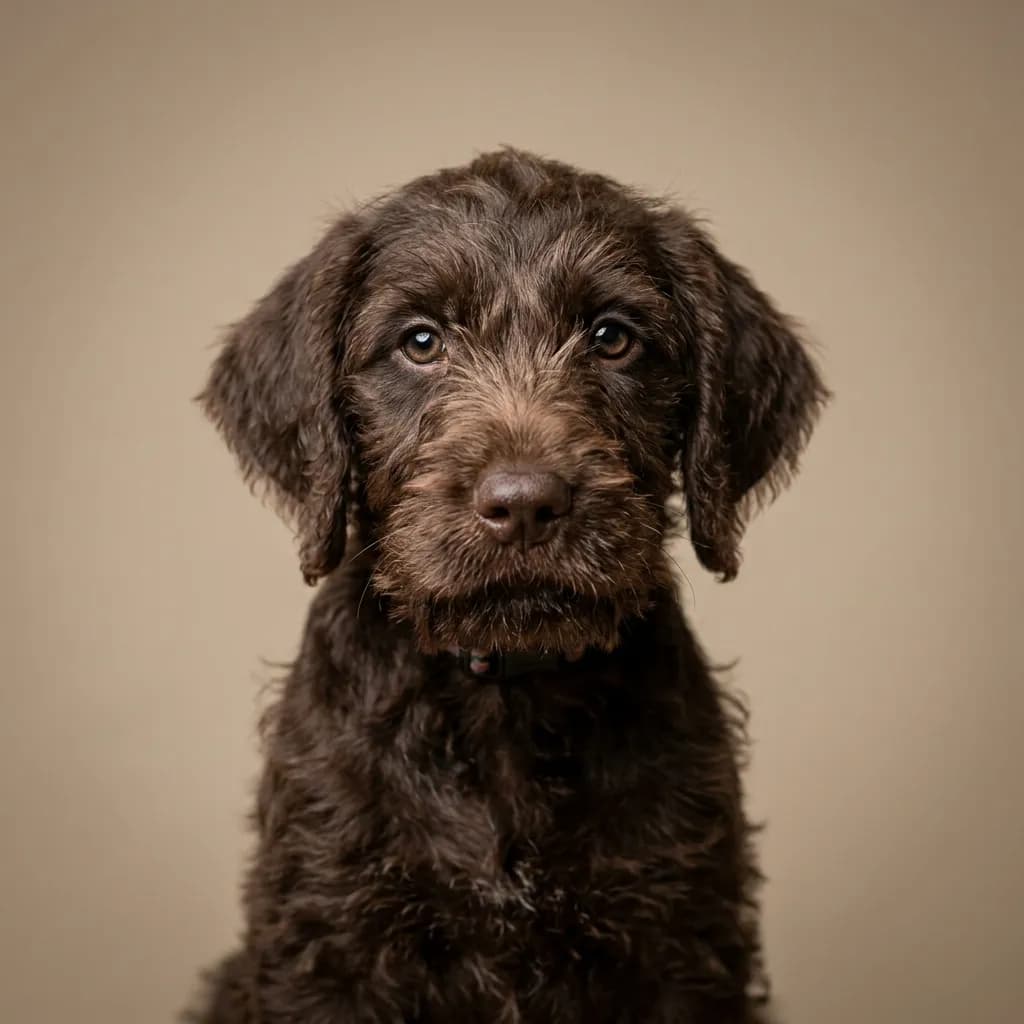
People toss these two in the ring together because they’re both gun dogs with soft mouths and a love for water, but that’s where the family reunion ends. If the Boykin Spaniel is your energetic, affectionate Labrador-loving cousin who just wants to play fetch and crash on the couch after a long day, the Pudelpointer is the intense, focused uncle who shows up with a map and a game plan for tomorrow’s bird hunt. The Boykin’s the smaller, sweeter-natured option. At 25 to 40 pounds, they fit better in a suburban yard and adapt well to family life. They’re rock-solid with kids, thrive on companionship, and while they need daily exercise, they’re happy with a long walk and a good swim. They’ll bark a little, shed a little, and they absolutely do not do well if left alone all day. Their temperament is pure gold for active families who want a hunting dog that also acts like a pet. The Pudelpointer? Bigger, brainier, built for serious work. Weighing 45 to 70 pounds, this dog needs a mission. They’re smarter, more driven, and frankly, less tolerant of chaos. They’re not bad with kids, but they’re not built for sticky fingers and constant noise. They need space, time in the field, and mental challenges. Without a hunting outlet or advanced training, they’ll find their own job. like redecorating your backyard. Here’s the real talk: the Boykin will love everyone in the house equally. The Pudelpointer will pick a person and lock in. If you’re not that person, good luck. Choose the Boykin for a family companion that hunts. Choose the Pudelpointer if you’re a hunter who happens to live with a family.
Trait-by-trait
Higher bar = more of that trait. Shedding, barking, drooling, grooming flipped for readability.Where they diverge
Choose the Boykin Spaniel if…
- Hunters
- Active people
- Families
- You value good with young children — Boykin Spaniel scores noticeably higher.
Choose the Pudelpointer if…
- hunters
- very active owners
- waterfowl and upland bird hunters
- You value drooling level — Pudelpointer scores higher here.