Boykin Spaniel vs Siberian Husky
Side-by-side comparison across all 14 AKC trait ratings, with a clear verdict on which breed fits which kind of household.
Not sure which breed fits your life?
Answer five questions about your home, your schedule, and your tolerance for shedding. We’ll match you to your top three breeds from over 200.
Boykin Spaniel vs Siberian Husky
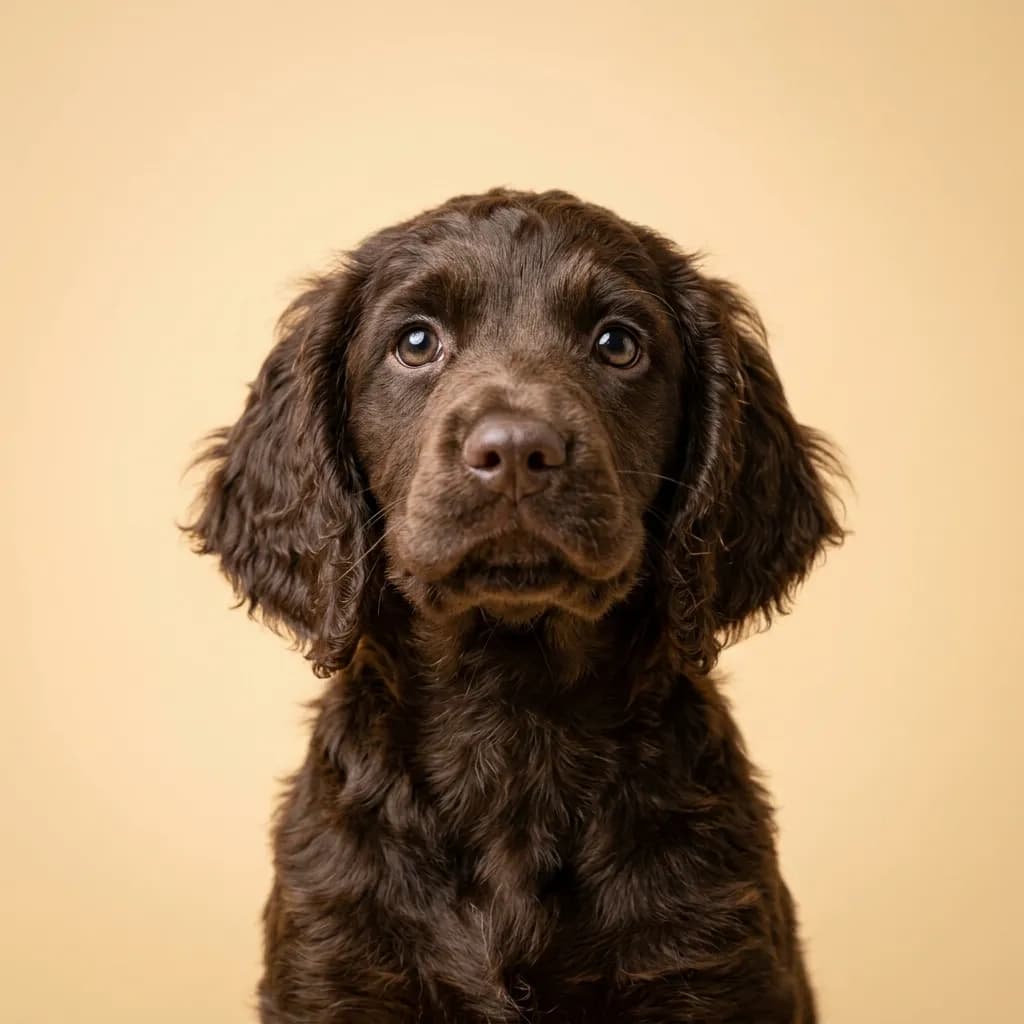
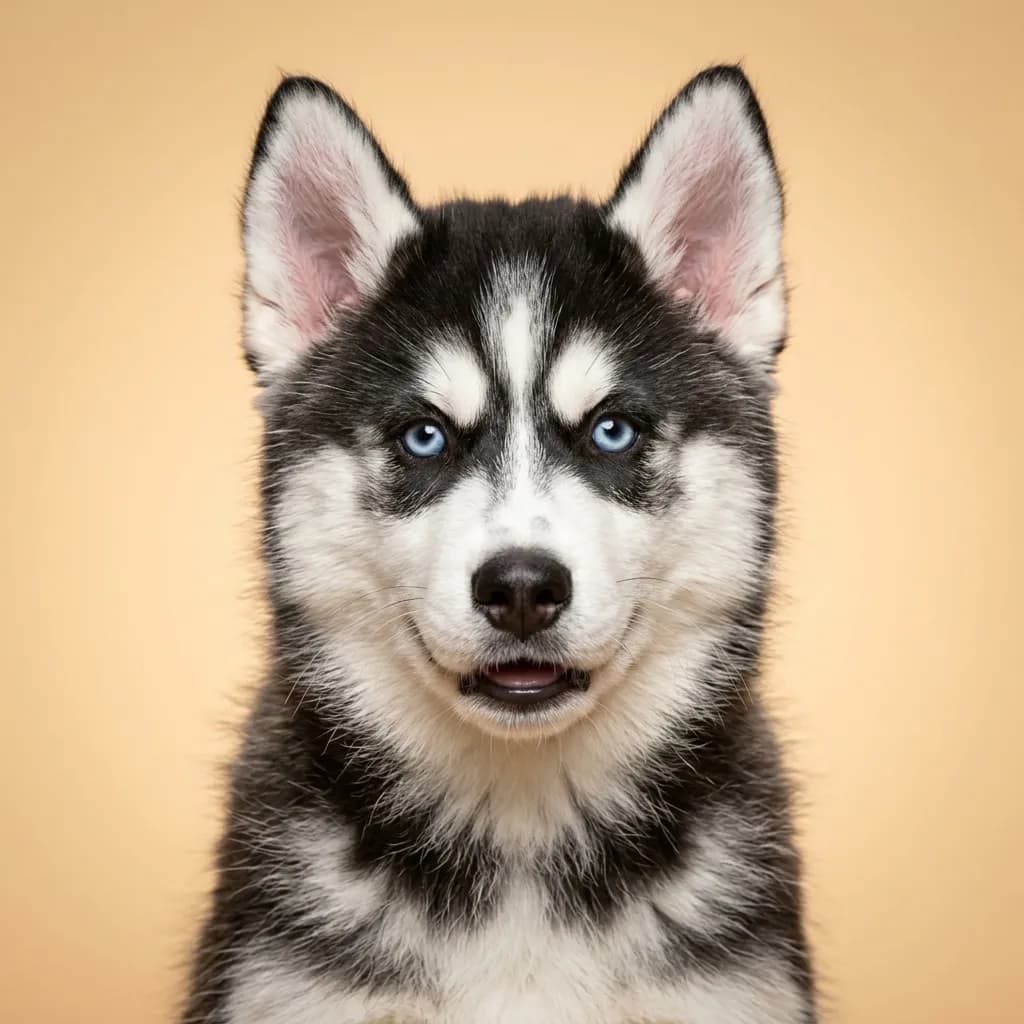
People compare Boykin Spaniels and Siberian Huskies because both are energetic, family-friendly dogs with a love for the outdoors, but that’s where the similarities end. If you’re torn between them, you’re really asking: do I want a compact, eager-to-please hunting companion or a free-spirited athlete built for endurance and adventure? The Boykin Spaniel is the dog you take duck hunting in the South Carolina Lowcountry. At 25 to 40 pounds, they’re light on their feet, easy to load into a truck, and they’ll happily flush game all day then nap at your feet after. They bond closely with their people, train easily, and are great with kids. You’ll need daily exercise, but their energy is focused and manageable in a suburban yard. The Siberian Husky? That’s the dog pulling sleds across frozen tundra. Larger, stronger, and built for extreme cold, they thrive on massive physical and mental challenges. Their energy level is relentless, and their independence makes training a project. They’re affectionate and gentle with families, but they’re also escape artists with a high prey drive. If you live in a warm climate or want a quiet, low-shedding dog, you’ll be miserable. Here’s the real talk: Huskies don’t just need exercise, they need purpose. A Boykin will adapt to your jog or weekend hike and call it a day. A Husky will stare at you like you’ve barely started. If you don’t have time for dog sports, sledding, or long daily runs, the Husky’s barking and destructive boredom will wear you down. Choose the Boykin if you want an involved, trainable partner for outdoor life. Choose the Husky only if you’re ready for a full-time job keeping a wolf-like athlete happy.
Trait-by-trait
Higher bar = more of that trait. Shedding, barking, drooling, grooming flipped for readability.Where they diverge
Choose the Boykin Spaniel if…
- Hunters
- Active people
- Families
- You value watchdog / protective — Boykin Spaniel scores noticeably higher.
Choose the Siberian Husky if…
- Active owners who exercise daily
- Cold climate households
- Families with children
- You value affectionate w/ family — Siberian Husky scores higher here.