Braque du Bourbonnais vs Papillon
Side-by-side comparison across all 14 AKC trait ratings, with a clear verdict on which breed fits which kind of household.

Not sure which breed fits your life?
Answer five questions about your home, your schedule, and your tolerance for shedding. We’ll match you to your top three breeds from over 200.
Braque du Bourbonnais vs Papillon
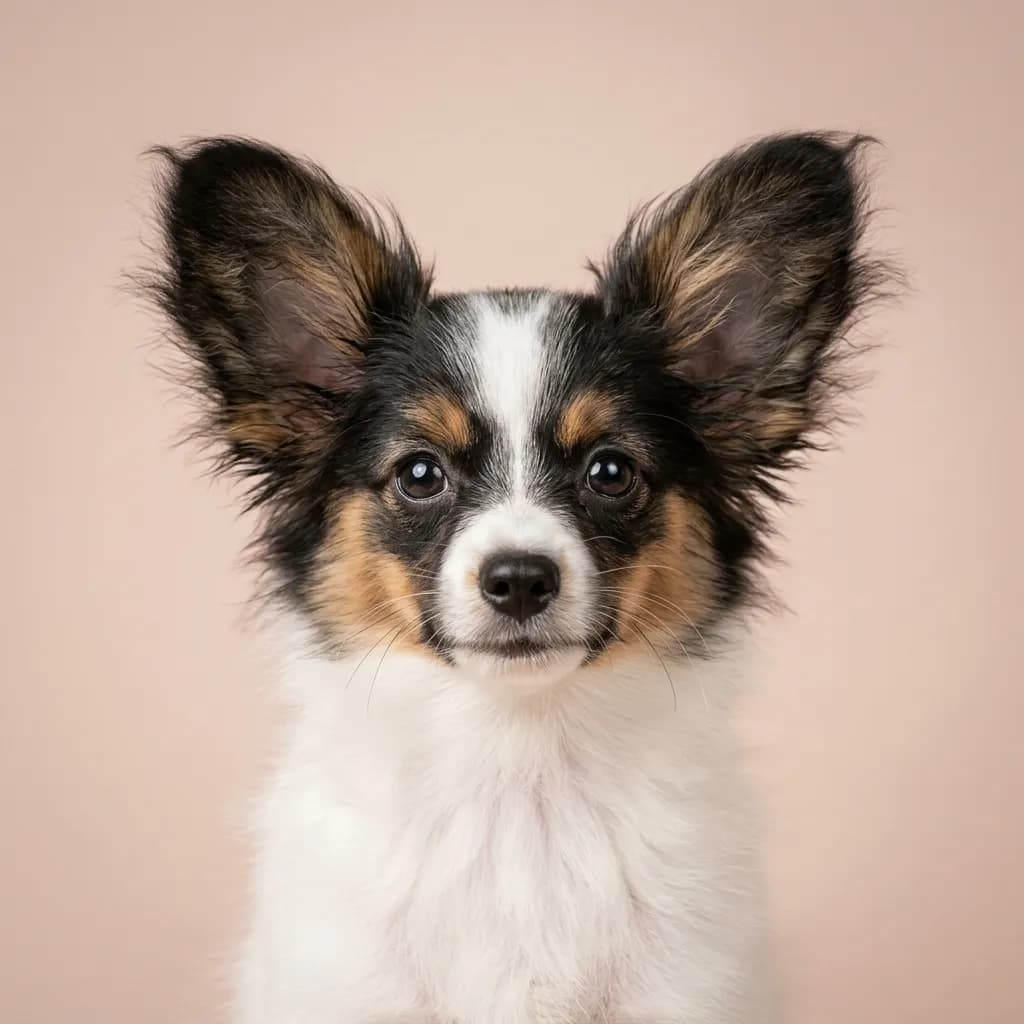
You’re probably not comparing a French bird dog to a lap-sized butterfly-eared charmer unless you’ve fallen down a rabbit hole of dog obsession or need a very specific type of energy in your life. People stack them up because both are alert, trainable, and thrive on human connection. but that’s where the story splits. The Braque du Bourbonnais is a working poet of the field. Built for sunrise hunts and long miles over open terrain, this dog lives to point and retrieve with quiet focus. It’s affectionate with its family, but don’t expect couch-potato cuddles. Without serious daily exercise and mental engagement, it’ll get creative. and likely destructive. It’s not the best with young kids, not because it’s unkind, but because it’s big, exuberant, and bred to move. If you’re in the country, hunt, or have access to wide-open spaces, this dog becomes part of your rhythm. Just know it may need ear care and hip checks as it ages. The Papillon, on the other hand, is a spark plug in a silk coat. It weighs less than a bowling ball but packs the heart of a champion. These dogs dominate agility, rally, and obedience not because they have to, but because they love the game. They’re tireless, sweet with older kids, and adapt to city studios or country cottages alike. But they bark. A lot. And they need constant mental snacks. without them, they’ll find trouble. They’re fragile around toddlers, and their tiny jaws are prone to dental issues. Here’s the real insight: the Braque wants to be your partner in action, the Papillon wants to be your co-pilot in life. Pick the one whose daily reality matches not just your space, but your pulse.
Trait-by-trait
Higher bar = more of that trait. Shedding, barking, drooling, grooming flipped for readability.Where they diverge
Choose the Braque du Bourbonnais if…
- hunters and bird dog enthusiasts
- active rural families
- experienced pointer owners
- You value good with other dogs — Braque du Bourbonnais scores noticeably higher.
Choose the Papillon if…
- Apartment living
- Active owners
- Families with older children
- You value barking level — Papillon scores higher here.