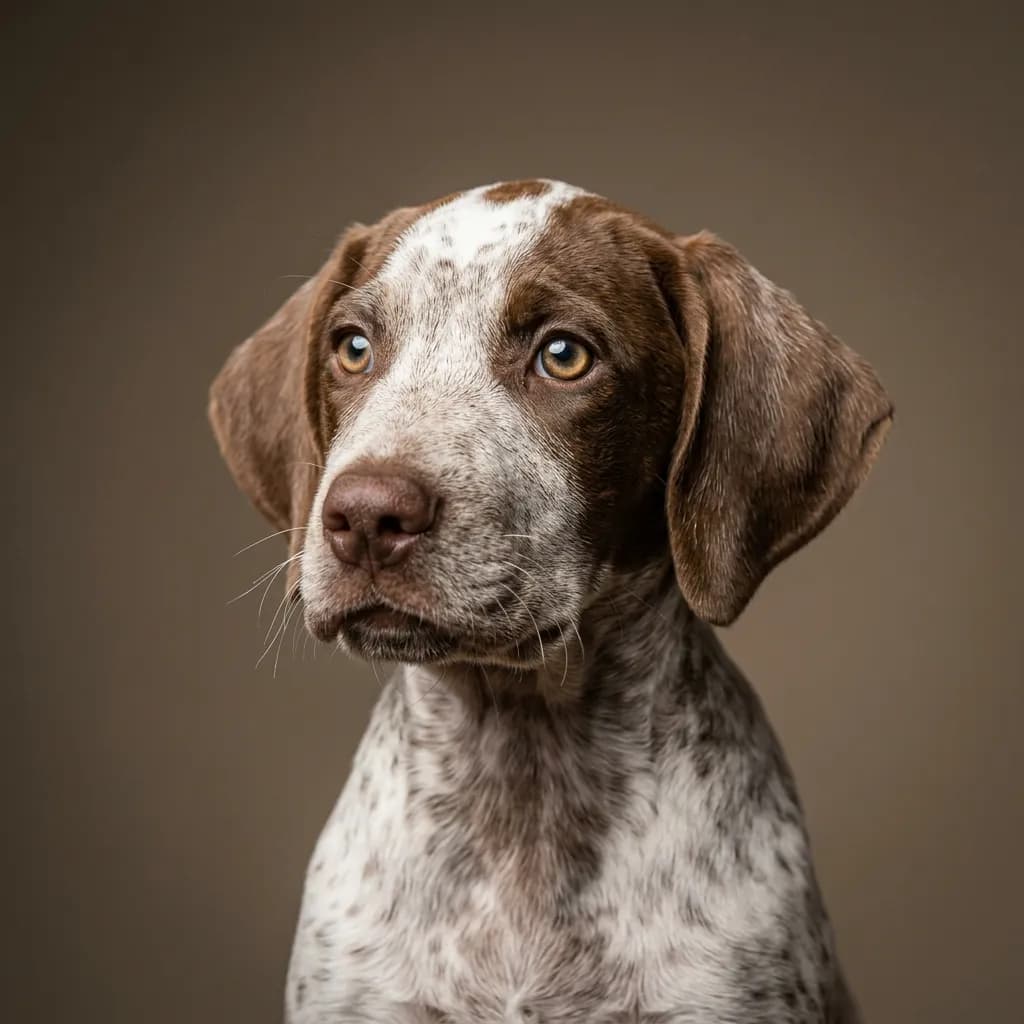
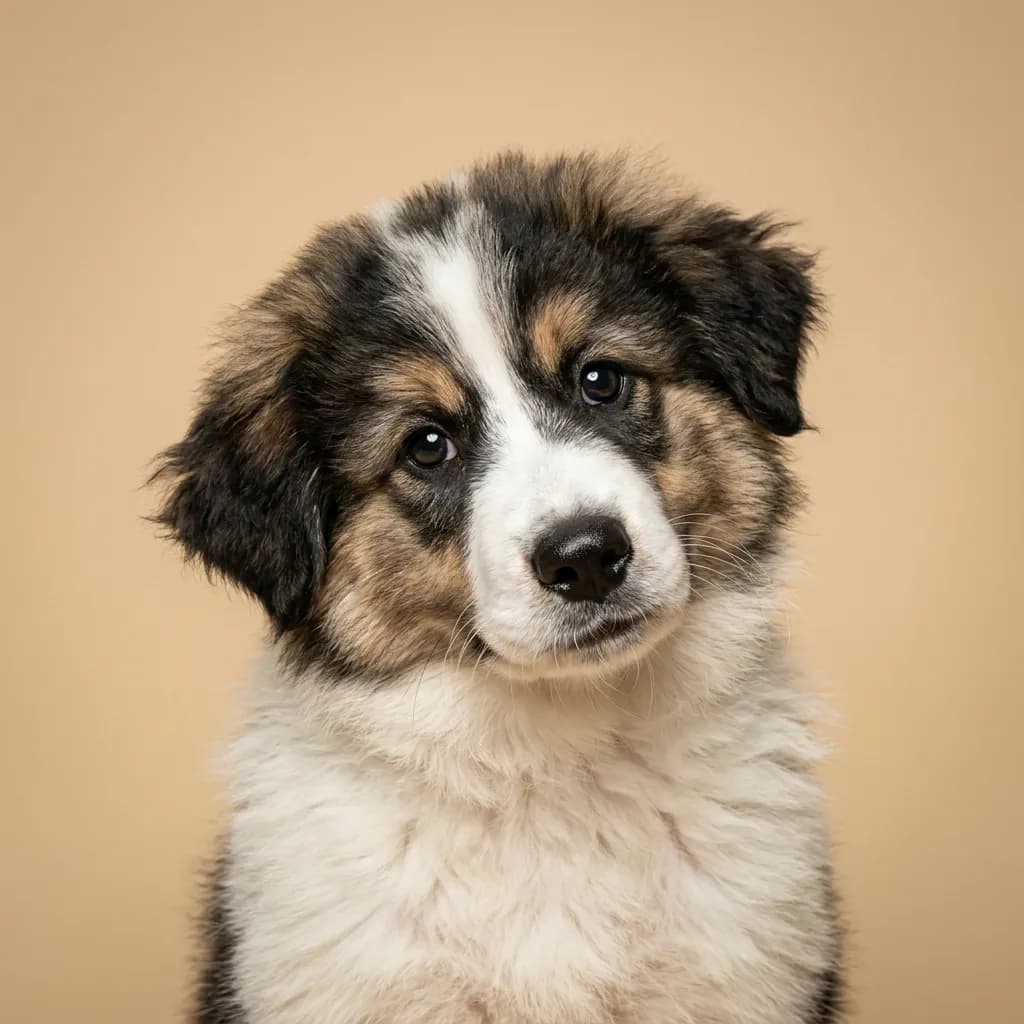
Braque du Bourbonnais vs Tornjak
Side-by-side comparison across all 14 AKC trait ratings, with a clear verdict on which breed fits which kind of household.
Not sure which breed fits your life?
Answer five questions about your home, your schedule, and your tolerance for shedding. We’ll match you to your top three breeds from over 200.
Braque du Bourbonnais vs Tornjak
You probably wouldn’t cross a French bird dog with a Balkan livestock guardian unless you’re deep in the weeds of rare breeds or you’ve fallen for their looks. compact elegance versus rugged mountain fluff. People compare them because both are uncommon, both are ancient, and both sound like something you’d discover on a European hiking trail. But their lives? Totally different missions. The Braque du Bourbonnais is a lean, springy pointer built for covering ground. You’ll find him zigzagging through brush, freezing on point, then retrieving with soft focus. He’s tuned for action, easy to train, and deeply bonded to his person. But don’t think he’s a couch dog. he needs space and purpose. Without a hunt or a sport, he’ll invent his own jobs, like redecorating your garden or barking at leaves. Kids? He tolerates them, but he’s not a nanny. And he won’t thrive in a condo or with a desk-bound owner. The Tornjak is the opposite kind of guardian. not a hunter but a protector. He’s big, thick-coated, independent, and takes his job seriously. He’ll patrol your property with calm vigilance, bonding deeply with family but wary of strangers. Training takes consistency. he’s not eager to please like the Braque. And that coat? It sheds heavily, especially in spring. He’s happiest on a farm, in cool weather, with a job to do. In the city? He’ll stress. In heat? He’ll overheat. Here’s the real talk: the Braque wants to work with you. The Tornjak wants to work for you. Pick the Braque if you hunt, hike, or train. Pick the Tornjak if you’ve got land, livestock, and leadership experience. One’s a teammate. The other’s a steward.
Trait-by-trait
Higher bar = more of that trait. Shedding, barking, drooling, grooming flipped for readability.Where they diverge
Choose the Braque du Bourbonnais if…
- hunters and bird dog enthusiasts
- active rural families
- experienced pointer owners
- You value good with other dogs — Braque du Bourbonnais scores noticeably higher.
Choose the Tornjak if…
- Experienced large-breed owners
- Farm or rural settings
- Livestock guardian needs
- You value shedding level — Tornjak scores higher here.