Tornjak
A Balkan livestock guardian from Bosnia and Herzegovina with the calm confidence of a dog who has never needed to prove itself. Tornjaks are massive, protective, and surprisingly gentle with family, including children, but they're instinctively wary of strangers and make independent decisions about threats. Rarely seen outside southeastern Europe.
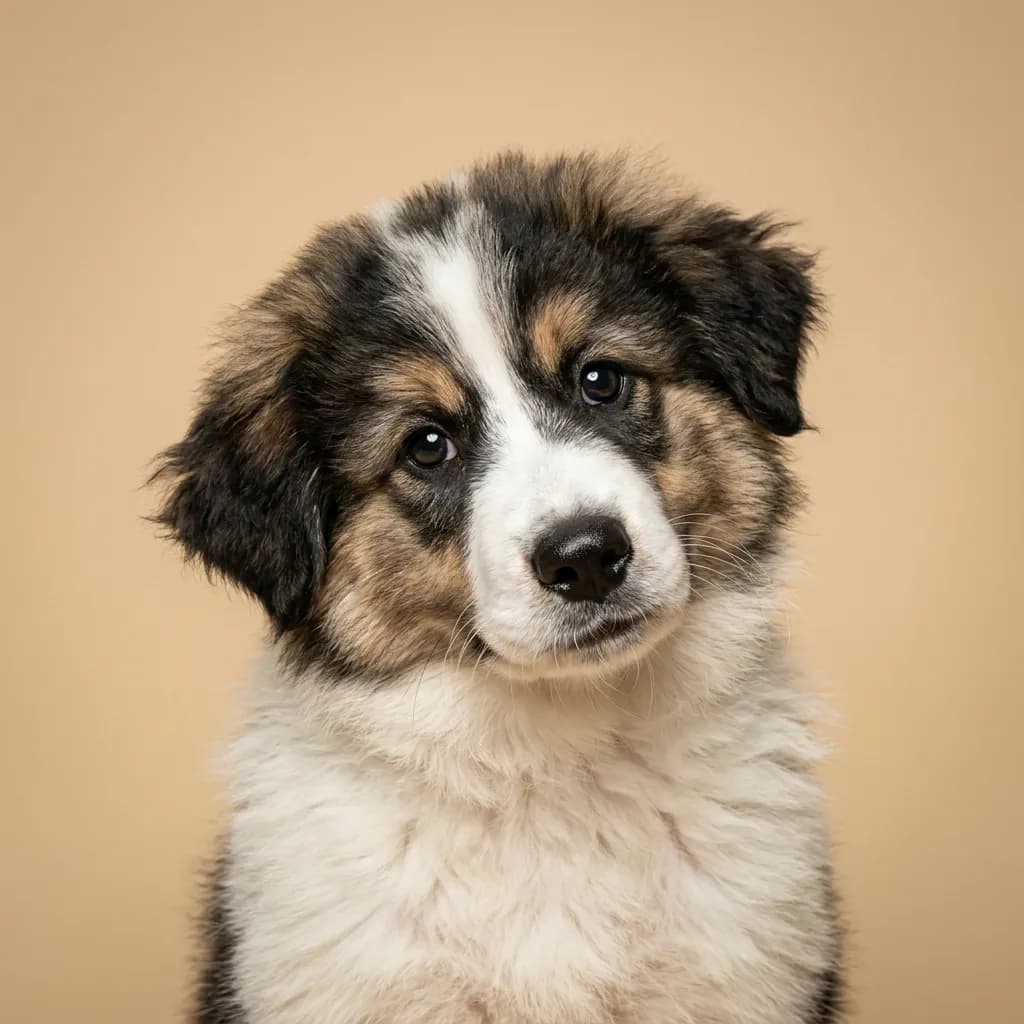
Free weekly training plan, specific to your Tornjak’s age. Exactly what to focus on this week.
Get your free training planLiving with a Tornjak
The Tornjak is a livestock guardian from Bosnia and Herzegovina and Croatia, bred over centuries to patrol mountain pastures and protect flocks from wolves and thieves. This isn’t a designer breed or a social media star; it’s a working dog with quiet confidence and deep loyalty. You won’t find them in apartments or dog parks.
They’re built for wide spaces, cold weather, and a job to do. If you’re looking for a lap dog or a beginner-friendly breed, keep looking. Day to day, Tornjaks are calm indoors, often described as a “silent guardian” type.
They’re not hyper or needy, but they’re always aware. They’ll follow you from room to room not for attention, but because they’re assessing. They’re friendly with family and respectful with kids, though their sheer size, anywhere from 62 to 110 pounds, means interactions with young children need supervision.
They’re not overly energetic, scoring a 3/5 on energy, but don’t mistake calm for lazy. They need daily walks and space to roam. A fenced yard is non-negotiable.
Without it, they’ll develop habits like digging or wandering. Grooming is where reality hits. Their double coat sheds heavily, scoring a 4/5, and you’ll be brushing weekly year-round, more during seasonal blowouts.
Forget skipping a week, you’ll find tumbleweeds of white and gray fur rolling down your hallway. They’re not high-maintenance in personality, but they are in cleanup. Health-wise, hip and elbow dysplasia are concerns, so reputable breeders should provide OFA certifications.
Bloat is a real risk with deep-chested dogs this size, so feed multiple small meals and avoid exercise right after eating. They’re prone to obesity, so monitor treats and kibble closely. With good care, they’ll likely live 12 to 14 years.
They’re not for first-time owners. You need experience reading dog behavior and setting consistent boundaries. They’re best suited for rural homes, farms, or cold climates where they can serve a purpose.
Apartment living? Overheating in the South? Not a chance.
Here’s the thing most gloss over: Tornjaks aren’t just independent, they’re decision-makers. They won’t obey every command instantly because they’re wired to assess threats on their own. You don’t own a Tornjak.
You earn their cooperation.
14 traits, at a glance.
Every breed on PuppyBase is rated across the 14 trait dimensions the American Kennel Club publishes — from trainability to drooling level. The higher the score, the better the fit for that trait.
What to expect day-to-day
Things to screen for
- Bloat (GDV)
- eye conditions
- Heart disease
- Hip and elbow dysplasia
- Obesity
See a full price breakdown — first-year costs, lifetime estimate, breeder vs. adoption.
Full price guideSimilar breeds
Browse all 200+
Common questions
How long do Tornjaks live?
Tornjaks typically live between 12 and 14 years, which is a solid lifespan for a large breed dog. Proper care, diet, and regular vet checkups help them reach their full lifespan potential.
How much does a Tornjak puppy cost?
A Tornjak puppy usually costs between $1,000 and $2,800, with most reputable breeders asking around $1,800. The price reflects their rarity and the specialized breeding required for this livestock guardian breed.
How much do Tornjaks shed?
Tornjaks shed heavily, especially during seasonal changes when they blow their thick double coat. You'll need to brush them weekly, more often during shedding peaks, to manage the loose hair.
What colors do Tornjaks come in?
Tornjaks are white with markings in brown, black, or sable, and the colored patches can vary widely in size and placement. This striking pattern helps them stand out in a flock while still looking imposing.
How big do Tornjaks get?
Tornjaks are large dogs, standing 23 to 28 inches tall and weighing between 62 and 110 pounds, with males on the higher end. Their size makes them imposing livestock guardians but requires space and strong handling.
Are Tornjaks smart?
Yes, Tornjaks are intelligent dogs with the independent thinking needed to guard flocks without constant human direction. They learn tasks well but can be stubborn, so consistency in training is key.
Are Tornjaks hypoallergenic?
No, Tornjaks are not hypoallergenic. They shed heavily and produce dander, making them a poor choice for people with allergies.
Are Tornjaks aggressive?
Tornjaks aren't aggressive without cause, but they are naturally suspicious of strangers and will protect their family and property without hesitation. Early socialization is critical to prevent overprotective behavior.
What health problems are common in Tornjaks?
Common health issues include hip and elbow dysplasia, bloat, obesity, eye conditions, and heart disease. Regular vet care, a proper diet, and avoiding exercise right after meals can help manage these risks.
Do Tornjaks bark a lot?
Tornjaks bark moderately, usually to alert their family to something unusual. They're not constant barkers, but their voice is deep and carries well, fitting their role as property guardians.
Are Tornjaks easy to train?
Tornjaks are moderately trainable but have a strong independent streak from their working background. They respond best to firm, consistent training that starts early and respects their natural instincts.
Are Tornjaks good family dogs?
Yes, Tornjaks are devoted and gentle with their families, including children, and form strong protective bonds. But they need experienced handling and plenty of space, so they're best for rural homes with a secure routine.
Are Tornjaks good with cats?
Tornjaks can coexist with cats, especially if raised together, but their guardian instincts may make them wary or aloof. Supervised introductions and early exposure improve the chances of peaceful household living.
Are Tornjaks good guard dogs?
Tornjaks are exceptional guard dogs, bred for centuries to protect livestock and property with unwavering vigilance. They’re naturally watchful, courageous, and make independent decisions about threats without needing direction.
Can Tornjaks live in apartments?
No, Tornjaks are not suited for apartment living. They need a large yard, rural setting, or working role to thrive and become stressed or destructive in confined urban spaces.
Are Tornjaks good first dogs?
Tornjaks are not recommended for first-time dog owners. Their size, independence, and guarding instincts require experienced handling, consistent training, and a clear understanding of working breed behavior.
Not sure which breed fits your life?
Answer five questions about your home, your schedule, and your tolerance for shedding. We’ll match you to your top three breeds from over 200.