Broholmer vs Japanese Chin
Side-by-side comparison across all 14 AKC trait ratings, with a clear verdict on which breed fits which kind of household.

Not sure which breed fits your life?
Answer five questions about your home, your schedule, and your tolerance for shedding. We’ll match you to your top three breeds from over 200.
Broholmer vs Japanese Chin
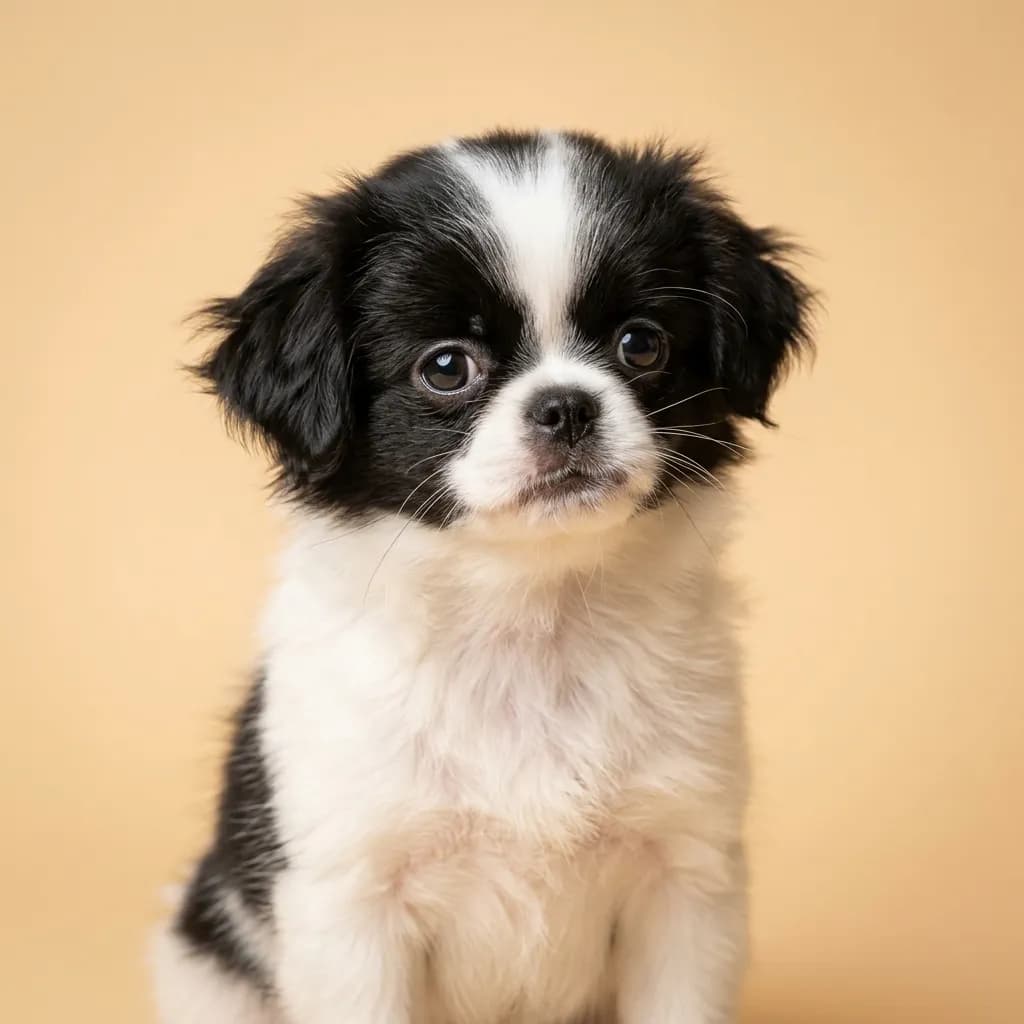
You’re not really comparing these two breeds because you’re torn between a gentle giant and a lap-sized aristocrat. You’re comparing them because someone mentioned both are calm, affectionate, and good in families. But that’s where the similarity ends. Think of it like choosing between a grand piano and a harmonica. Both make music, but one needs a room of its own. The Broholmer is a quiet powerhouse. At over 100 pounds, it moves like it owns the house and probably should. It’s not hyper, not yappy, but it’s a guardian with a low center of gravity and a deep, rare bark that’ll shake the windows. You need space, strength, and experience. This dog isn’t for first-timers. It’s for someone who’s lived with big dogs before and knows how a giant presence changes your life. It’s loyal, sweet with kids if raised with them, but its size alone demands respect. The Japanese Chin is the opposite. It’s a silky whisper of a dog, light enough to carry in one arm, bred for silk cushions and imperial laps. It bonds deeply, almost catlike in its quiet judgment, and will follow you from room to room like a silent attendant. It’s not built for chaos. You don’t hike with it. You don’t leave it outside. It thrives on attention but gives it back tenfold in affection. Here’s the real insight: the Broholmer gives you the feeling of safety; the Japanese Chin gives you the feeling of being adored. Pick the first if you want a living, breathing home security system that happens to love naps. Pick the second if you want a tiny, elegant shadow who lives for your attention and fits in a tote bag. One fills a yard. The other fills your lap. and your heart. with surprising weight.
Trait-by-trait
Higher bar = more of that trait. Shedding, barking, drooling, grooming flipped for readability.Where they diverge
Choose the Broholmer if…
- experienced large-breed owners
- families with children
- homes with large yards
- You value drooling level — Broholmer scores noticeably higher.
Choose the Japanese Chin if…
- Apartment dwellers
- Seniors
- Gentle quiet households
- You value good with other dogs — Japanese Chin scores higher here.