Broholmer vs Pembroke Welsh Corgi
Side-by-side comparison across all 14 AKC trait ratings, with a clear verdict on which breed fits which kind of household.

Not sure which breed fits your life?
Answer five questions about your home, your schedule, and your tolerance for shedding. We’ll match you to your top three breeds from over 200.
Broholmer vs Pembroke Welsh Corgi
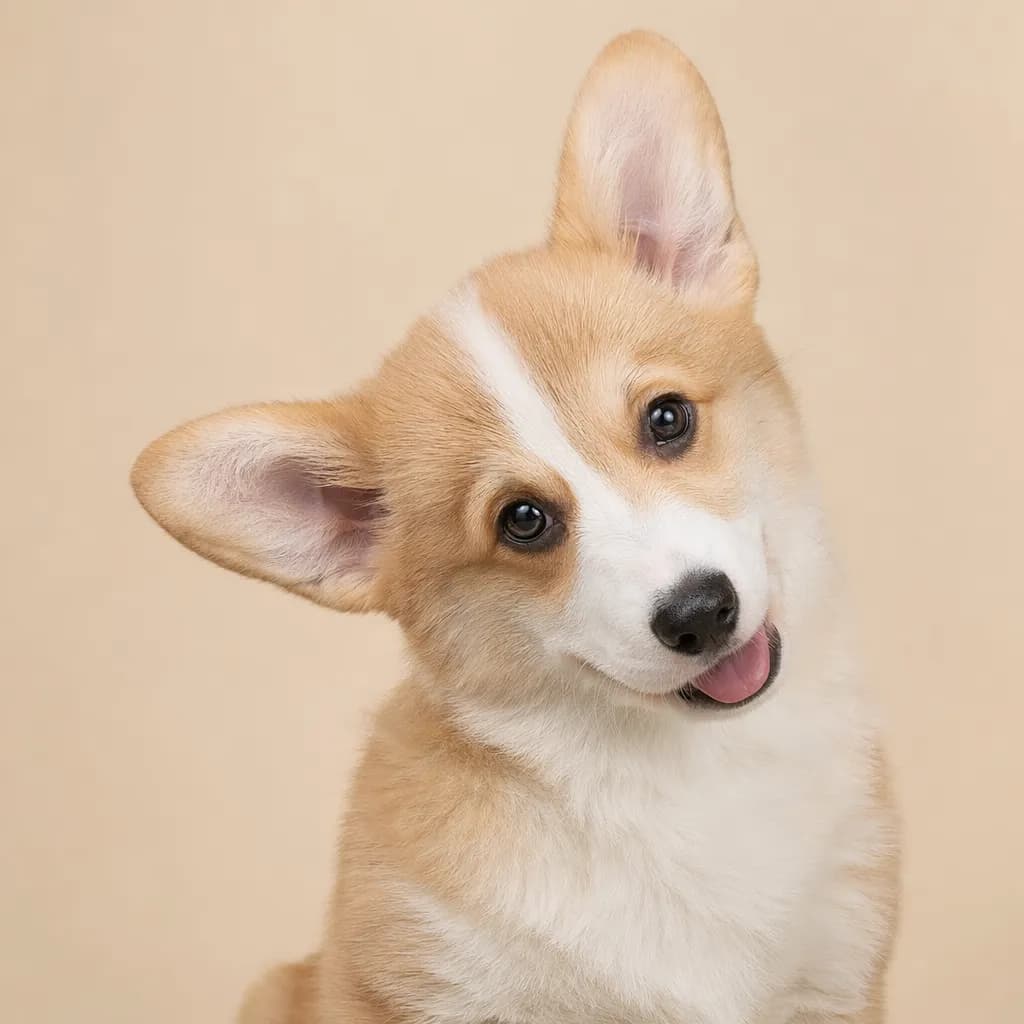
You’re probably not cross-shopping a 150-pound gentle giant and a 30-pound herding dynamo because they look alike. You’re here because someone told you both are “family dogs” or “calm” or “good with kids” and now you’re confused. Let’s cut through that. The Broholmer is the quiet bodyguard. Think of him as the calm-in-a-crisis type who takes up half your couch and all your vet bill if he gets bloat. He’s bred to stand watch over a Danish estate, not fetch your slippers. He’s affectionate but not needy, and he’ll tolerate kids more than actively play with them. You need space, experience, and the ability to handle a dog that’s basically a small horse with loyalty issues. First-time owners? Save yourself. This isn’t the breed to learn on. Now flip it: the Pembroke Corgi is a tornado in a low-slung body. He’s smart, loud, and will herd your toddlers into a corner if you’re not careful. He’s not just good for apartment living. he’ll thrive there if you give him daily walks and brain games. But don’t be fooled by his size. This dog has opinions, sheds like a snowstorm year-round, and needs structure. Let him get bored and you’ll come home to a chewed baseboard or a carefully organized pile of your socks. sorted by color, probably. The real insight? Size isn’t the biggest difference. It’s rhythm. The Broholmer slows your life down. The Corgi speeds it up. Pick the Broholmer if you want a serene presence that commands space. Pick the Corgi if you want a pocket-sized partner in crime who’ll keep you moving. One wants to guard your home. The other wants to run it.
Trait-by-trait
Higher bar = more of that trait. Shedding, barking, drooling, grooming flipped for readability.Where they diverge
Choose the Broholmer if…
- experienced large-breed owners
- families with children
- homes with large yards
- You value drooling level — Broholmer scores noticeably higher.
Choose the Pembroke Welsh Corgi if…
- Active families
- Apartment or small home living with exercise
- Dog sport enthusiasts
- You value barking level — Pembroke Welsh Corgi scores higher here.