Brussels Griffon vs Keeshond
Side-by-side comparison across all 14 AKC trait ratings, with a clear verdict on which breed fits which kind of household.

Not sure which breed fits your life?
Answer five questions about your home, your schedule, and your tolerance for shedding. We’ll match you to your top three breeds from over 200.
Brussels Griffon vs Keeshond
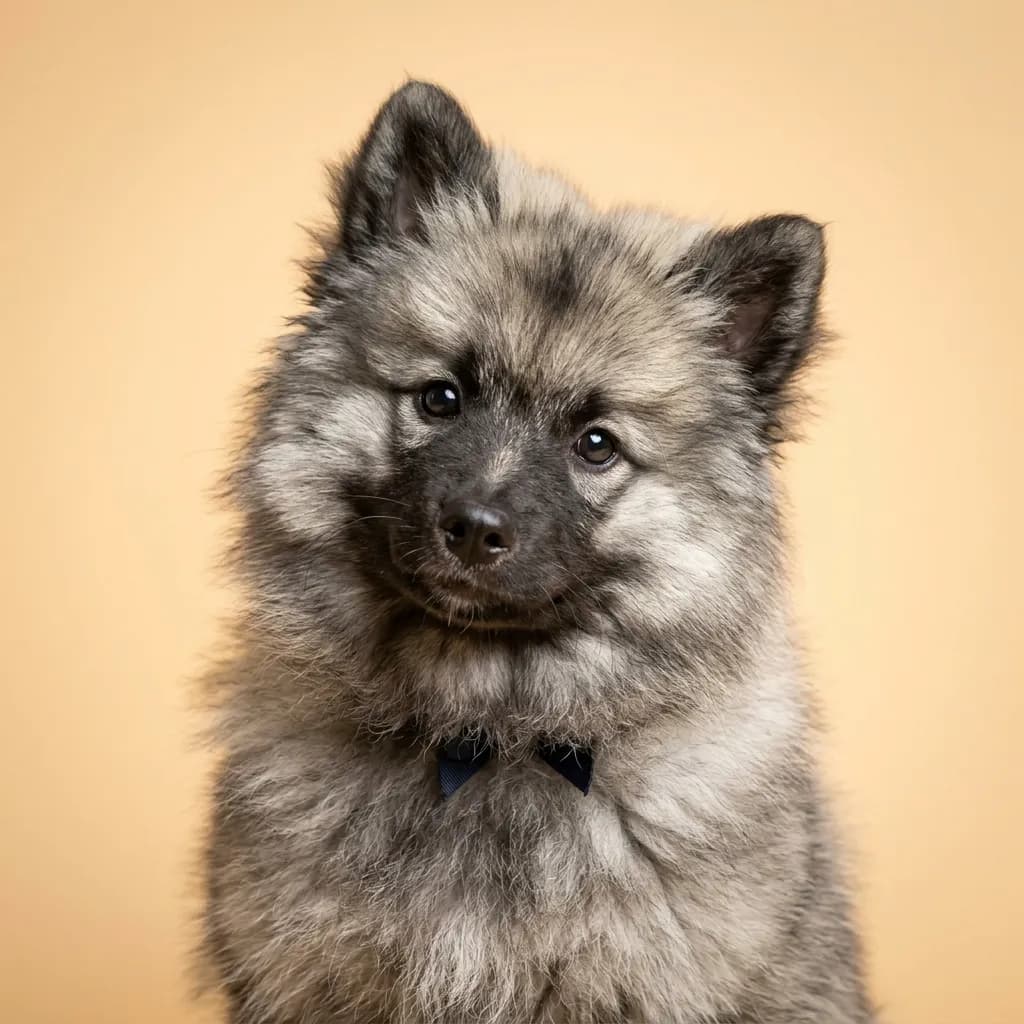
People compare Brussels Griffons and Keeshonds because both are alert, expressive dogs with big personalities packed into different-sized coats. They’re not obvious twins. you’re looking at a tiny, almost alien-like lapdog versus a plush, smiling midsize companion. but both bark at the world with opinion and thrive on human connection. That’s where the similarities end. The Brussels Griffon is a 10-pound dynamo with a Napoleon complex. He’s clever, mischievous, and will follow you from room to room like a furry shadow. He bonds deeply with one or two people and can be wary of kids under 10. he won’t back down from a toddler, but that doesn’t mean it’ll end well. His face wrinkles when he’s thinking, which is often, and he’s surprisingly bold for his size. You’ll pay more for that rarity and uniqueness, and you’ll spend more at the vet too. Brachycephalic issues mean he can’t handle heat, and his knees are delicate. He’s best for quiet homes where he’s the center of attention. The Keeshond is the friendly neighborhood greeter you didn’t know you needed. At 40 pounds, he’s built for cold weather with his thick gray-and-white coat and fox-like expression. He wants to be part of everything. homework, hikes, late-night snacks. and he’ll talk to you about it. Keeshonds bark with purpose, a trait bred into them from barge-dog days, so if you live in an apartment, that’s a real consideration. But they’re incredibly trainable, great with kids, and adapt well to routines. They shed year-round and need brushing, but their temperament is so easygoing they’re often recommended for first-time owners. Here’s the real insight: the Griffon thinks he’s a person with a dog body. The Keeshond knows he’s a dog. and he’s thrilled about it. Pick based on which worldview fits your home.
Trait-by-trait
Higher bar = more of that trait. Shedding, barking, drooling, grooming flipped for readability.Where they diverge
Choose the Brussels Griffon if…
- Singles and couples
- Apartment living
- Retirees
Choose the Keeshond if…
- Families with children
- Active owners
- Cold climates
- You value good with young children — Keeshond scores higher here.