Brussels Griffon vs Shiba Inu
Side-by-side comparison across all 14 AKC trait ratings, with a clear verdict on which breed fits which kind of household.

Not sure which breed fits your life?
Answer five questions about your home, your schedule, and your tolerance for shedding. We’ll match you to your top three breeds from over 200.
Brussels Griffon vs Shiba Inu
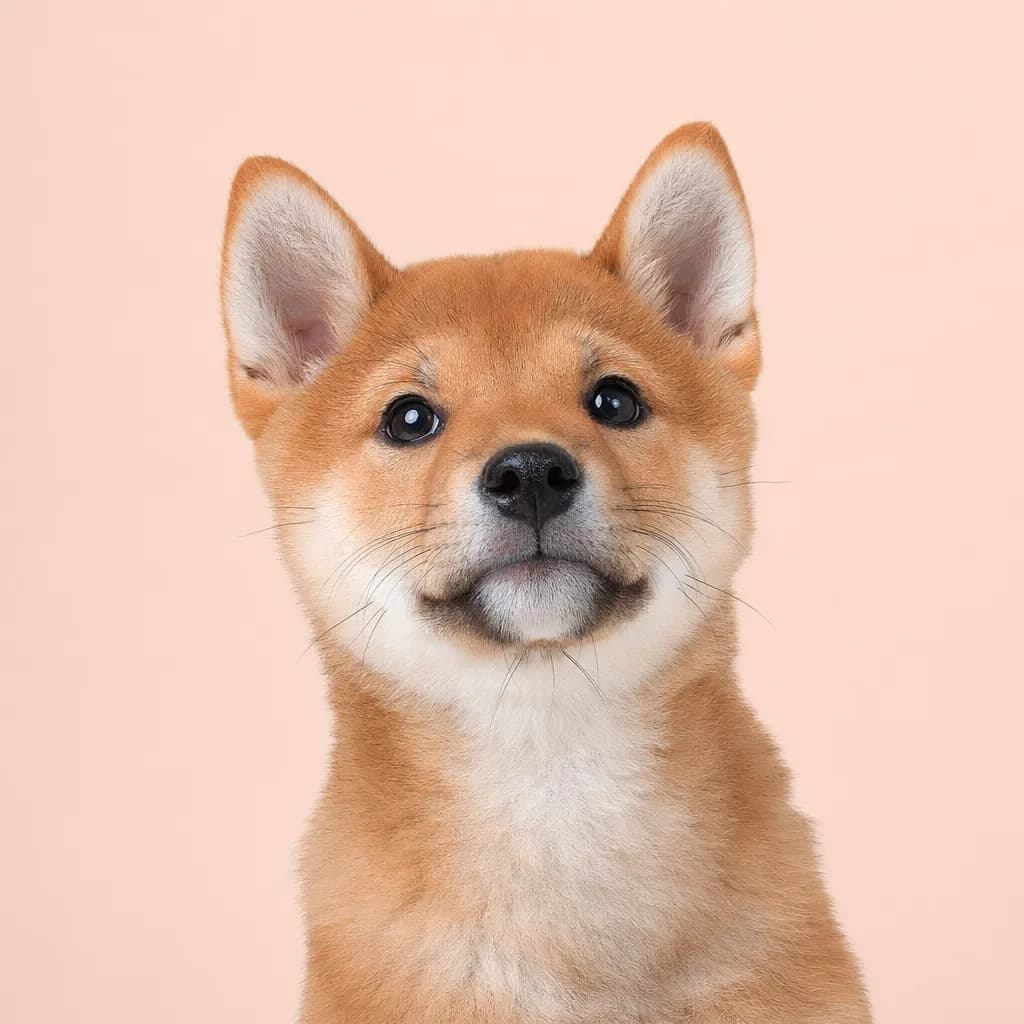
You’re probably comparing a Brussels Griffon and a Shiba Inu because they both look like small, bold personalities in a compact package. cute, fox-faced, and undeniably charismatic. But that’s where the similarities end. One is a velcro dog in a clown costume, the other a four-legged house cat with opinions. The Brussels Griffon is your emotional support gremlin. He’ll perch on your lap during movie night, bark at the toaster, and follow you into the bathroom like it’s his job. He’s surprisingly easy to train, loves routines, and bonds deeply with one or two people. But he’s fragile. both physically and emotionally. That pushed-in face means he can’t handle heat or heavy exercise, and he’s not a fan of chaotic homes with little kids who don’t know how to be gentle. The Shiba Inu? He’ll acknowledge your existence when he feels like it. Independent to a fault, he’s smart, fastidious (seriously, he’ll clean himself like a cat), and stubborn as hell. Training is a negotiation, not a command. He needs space. ideally a yard he can patrol. and a handler who understands that “no” might mean “I’ll consider it.” He’s not clingy, but when he chooses to nuzzle you at 3 a.m., it feels like a royal decree. Pick the Griffon if you want a responsive, affectionate little shadow who thrives on closeness and doesn’t mind city living. Choose the Shiba if you want a self-assured, low-drama companion who still needs structure and early socialization. and if you’re okay being politely tolerated instead of worshipped. Here’s the real talk: the Griffon’s bark is worse than his bite. emotionally speaking. He needs you. The Shiba? He’s fine without you. And that’s the biggest difference of all.
Trait-by-trait
Higher bar = more of that trait. Shedding, barking, drooling, grooming flipped for readability.Where they diverge
Choose the Brussels Griffon if…
- Singles and couples
- Apartment living
- Retirees
- You value trainability — Brussels Griffon scores noticeably higher.
Choose the Shiba Inu if…
- Experienced dog owners
- Those wanting a cat-like independence
- Active owners
- You value watchdog / protective — Shiba Inu scores higher here.