Bull Terrier vs Chinook
Side-by-side comparison across all 14 AKC trait ratings, with a clear verdict on which breed fits which kind of household.

Not sure which breed fits your life?
Answer five questions about your home, your schedule, and your tolerance for shedding. We’ll match you to your top three breeds from over 200.
Bull Terrier vs Chinook
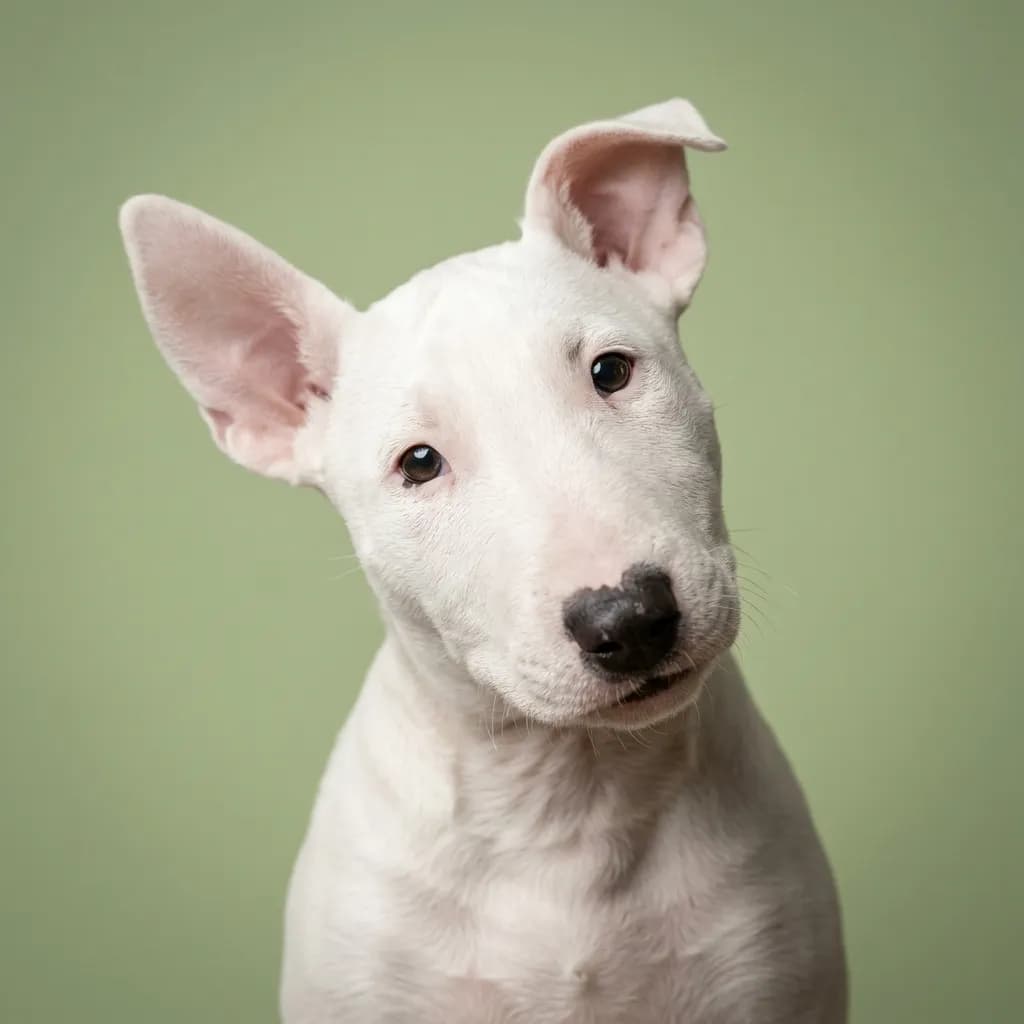
People compare Bull Terriers and Chinooks because they’re both medium to large dogs with short coats and a certain rugged charm, but that’s where the similarities end. You’re not just choosing between two breeds here, you’re picking two completely different lifestyles. If you want a dog that feels like a cartoon character come to life. full of antics, stubborn grins and a need to be the center of attention. the Bull Terrier might be your match. They’re clever in a troublemaking way, thrive on engagement, and will test you daily. They’re great with older kids who can handle their rambunctious energy, but they can be too much for first-time owners or homes with cats and small animals. They need mental puzzles, firm training, and a yard to burn off that 4/5 energy. Their goofy affection is real, but so is their 3/5 trainability. they’ll outwit you if you’re not on your toes. The Chinook, on the other hand, is the calm expedition partner you bring into the family. Bred to pull sleds through New England winters, they’re built for purpose, not punchlines. They’re deeply good with kids. like, “will let toddlers use them as a step-stool” good. and they thrive in active households, especially in colder climates. They bark more, yes, but they’re also more predictable, eager to please, and surprisingly adaptable for a working dog. Just don’t expect them to lounge on the couch all day in Phoenix. they need purpose and cooler temps. Here’s the real insight: Bull Terriers demand your attention. Chinooks earn your trust. If you want a dog that keeps you laughing (and occasionally exasperated), go Bull Terrier. If you want a steady, loyal family companion built for adventure, the Chinook’s your dog.
Trait-by-trait
Higher bar = more of that trait. Shedding, barking, drooling, grooming flipped for readability.Where they diverge
Choose the Bull Terrier if…
- Active individuals
- Experienced dog owners
- Families with older children
- You value good with strangers — Bull Terrier scores noticeably higher.
Choose the Chinook if…
- Active families
- Cold climates
- Those wanting a sled dog
- You value good with other dogs — Chinook scores higher here.