Bull Terrier vs Dandie Dinmont Terrier
Side-by-side comparison across all 14 AKC trait ratings, with a clear verdict on which breed fits which kind of household.

Not sure which breed fits your life?
Answer five questions about your home, your schedule, and your tolerance for shedding. We’ll match you to your top three breeds from over 200.
Bull Terrier vs Dandie Dinmont Terrier
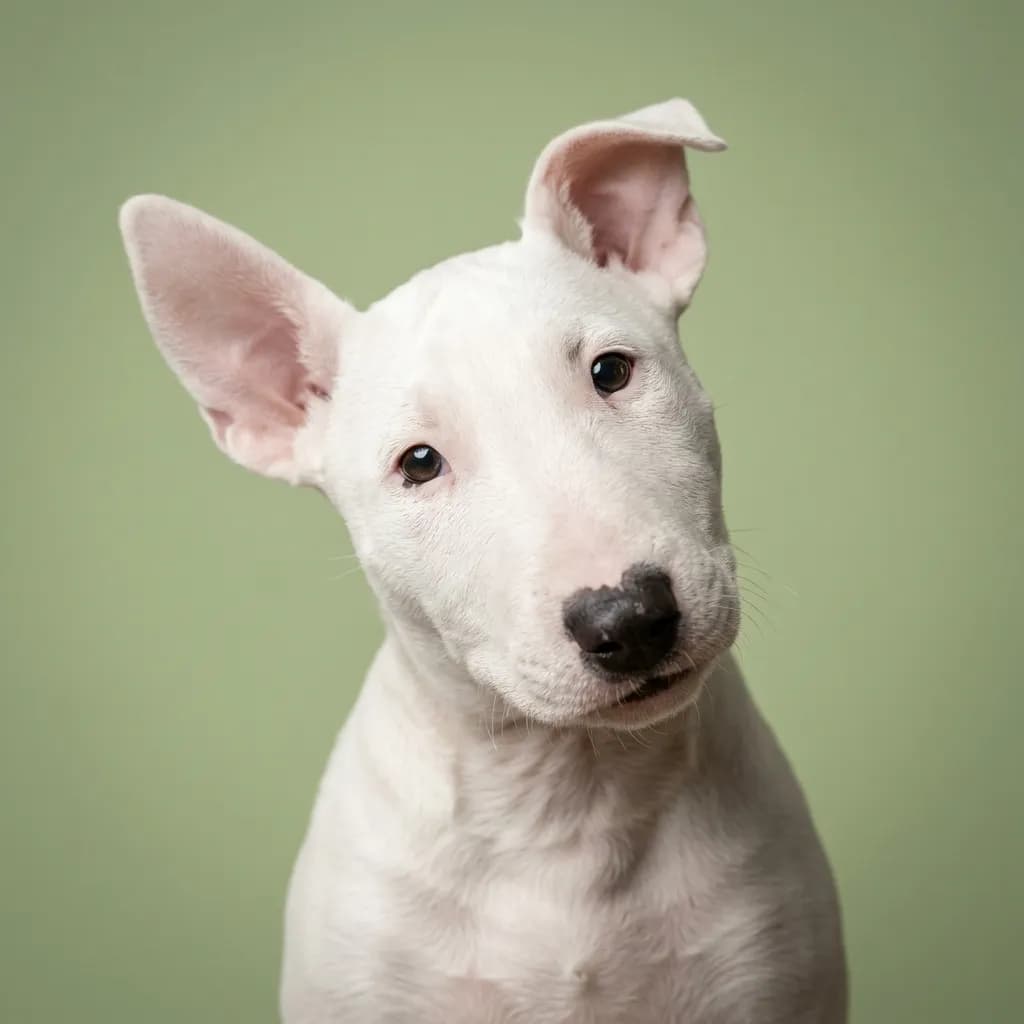
People compare Bull Terriers and Dandie Dinmont Terriers because both are quirky, unmistakable-looking terriers with a proud streak and a loyal heart. But that’s where the similarities end. One’s built like a cartoon tank, the other like a low-slung weasel with a topknot. Choosing between them isn’t just preference, it’s lifestyle math. The Bull Terrier is a full-contact dog. At 50 to 70 pounds, they’re energetic, mischievous, and demand space and structure. You’ll need a yard, patience, and experience. this isn’t a dog for soft schedules or first-timers. They’re affectionate in their tornado way, but their prey drive and strength mean small pets aren’t safe. Health-wise, white ones carry a real risk of deafness, so ask for BAER testing. The Dandie Dinmont is the quiet rebel. Under 24 pounds, with a body like a stretched sausage, they’re better suited to apartment life and calmer homes. They’re smart and trainable but will flat-out refuse commands if they don’t see the point. Their back is fragile. no jumping on sofas. so you’ll need to manage their movement like a careful choreographer. Families with older kids might handle either, but for different reasons. The Bull Terrier’s energy matches active households, while the Dandie offers charm without the chaos. Here’s the real talk: the Bull Terrier acts bigger than it is, but the Dandie Dinmont secretly believes it’s the boss of everything. With the Bull Terrier, you’re managing force. With the Dandie, you’re negotiating with a tiny, furry CEO. Pick based on whether you want a sidekick or a silent partner.
Trait-by-trait
Higher bar = more of that trait. Shedding, barking, drooling, grooming flipped for readability.Where they diverge
Choose the Bull Terrier if…
- Active individuals
- Experienced dog owners
- Families with older children
- You value shedding level — Bull Terrier scores noticeably higher.
Choose the Dandie Dinmont Terrier if…
- Families with older children
- Apartment living
- Less active individuals
- You value good with other dogs — Dandie Dinmont Terrier scores higher here.