Dandie Dinmont Terrier
A low-slung, dignified terrier with a topknot that makes them look like a Victorian gentleman and an attitude to match. More independent than most terriers and somewhat calmer, they work for apartment life but still carry the prey drive and stubbornness of their working roots. One of the rarer Scottish terrier breeds — you won't see many at the dog park.
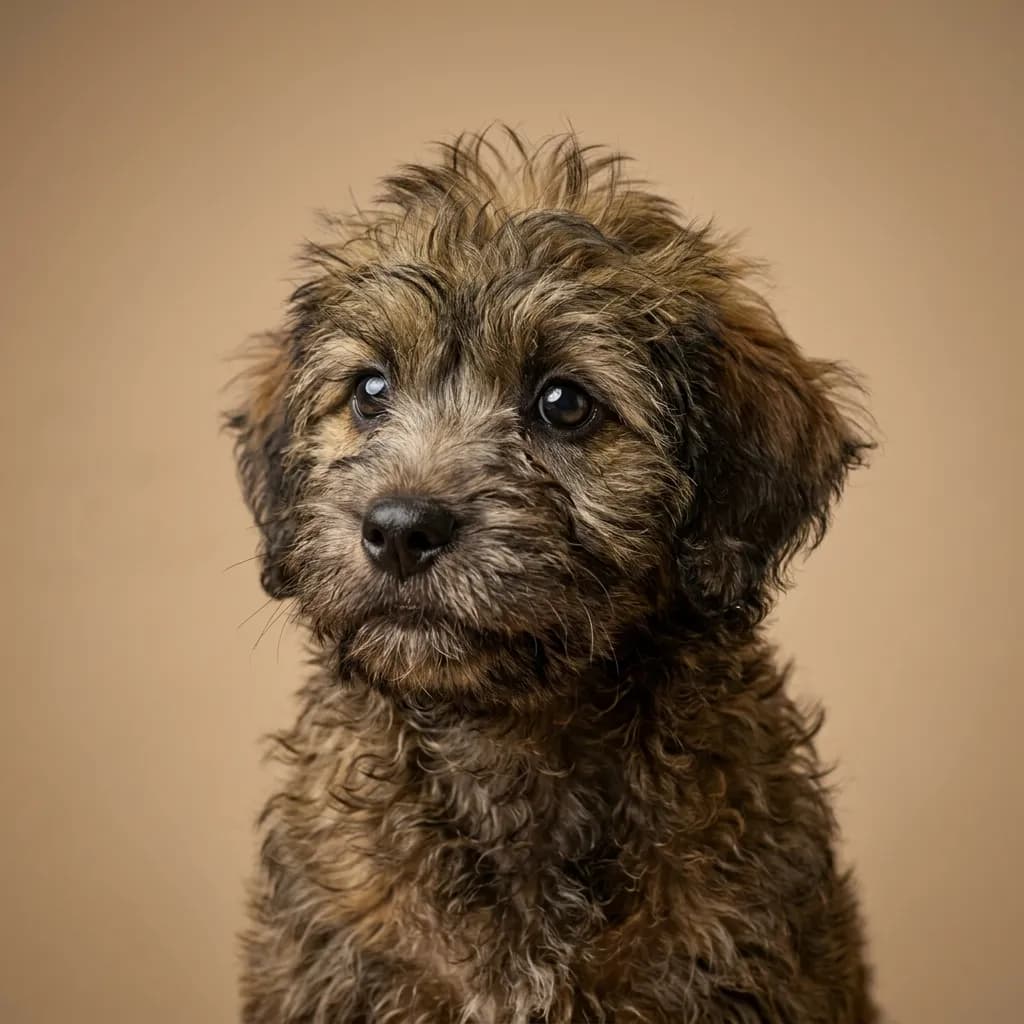
Free weekly training plan, specific to your Dandie Dinmont Terrier’s age. Exactly what to focus on this week.
Get your free training planLiving with a Dandie Dinmont Terrier
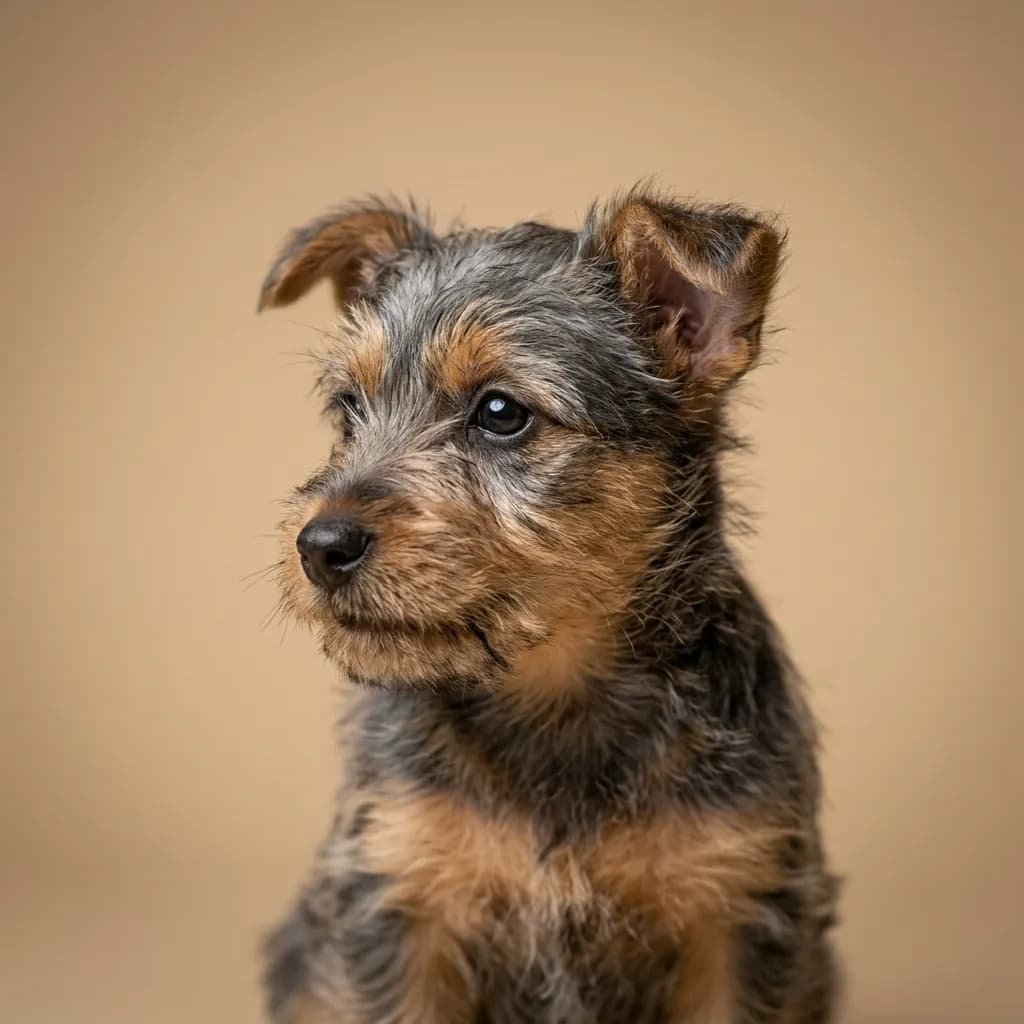
The Dandie Dinmont Terrier is not a dog you stumble into casually. This breed from the Scottish Borders was built to go underground after otters and badgers, which tells you everything you need to know about its courage and determination. Low to the ground at 8 to 11 inches and weighing just 18 to 24 pounds, the Dandie looks like a fairy tale creature with a topknot and a low-slung, weasel-like build.
But don’t let the whimsical appearance fool you. This is a proud, independent terrier with a mind of its own and a surprising amount of presence in a small package. You’ll need about 30 minutes of daily walking, maybe a bit more with some backyard sniffing or light play.
Their energy is moderate, rating a 3 out of 5, so they won’t demand hikes or high-intensity training. But they do need mental engagement. Trainability is solid at 4 out of 5, but they’re smart enough to question whether your idea is worth their time.
Positive reinforcement works best; harsh methods backfire fast. Grooming isn’t optional. Their long, silky coat needs brushing twice a week and hand-stripping every few months.
It’s not the highest shedding breed. 2 out of 5, but neglect the upkeep and they’ll look ragged fast. The topknot catches crumbs and gunk, so wipe it often.
Health-wise, you must be vigilant. Intervertebral disc disease is a real risk because of their long back, so no jumping on or off furniture. Glaucoma, Cushing’s, and hypothyroidism pop up too, so annual blood panels and eye checks are non-negotiable.
A healthy Dandie lives 12 to 15 years, but you’ll likely spend more on vet care than with sturdier breeds. They’re affectionate. 4 out of 5, but on their terms.
They bond deeply with one or two people and can be reserved with strangers and kids. Good with older children? Yes.
Safe with small pets? Absolutely not. Their prey drive is baked in.
They’re perfect for quieter homes, retirees, or city dwellers in apartments who want a rare, dignified companion. Not for you if you hike daily or have a house full of toddlers. Here’s the truth most won’t say: the Dandie Dinmont isn’t just rare, it’s fragile, both physically and in temperament.
They thrive only with owners who respect their quiet intensity and are willing to protect their delicate backs and sensitive nature. Get it right, and you’ve got a loyal, dignified friend. Get it wrong, and you’ve got a stressed dog with a spine issue.
14 traits, at a glance.
Every breed on PuppyBase is rated across the 14 trait dimensions the American Kennel Club publishes — from trainability to drooling level. The higher the score, the better the fit for that trait.
What to expect day-to-day
Things to screen for
- Cushing's disease
- Patellar luxation
- Glaucoma
- Intervertebral disc disease
- Hypothyroidism
See a full price breakdown — first-year costs, lifetime estimate, breeder vs. adoption.
Full price guideSimilar breeds
Browse all 200+
Common questions
How long do Dandie Dinmont Terriers live?
Dandie Dinmont Terriers typically live between 12 and 15 years, which is a solid lifespan for a small to medium-sized dog. With proper care and regular vet checkups, many live into their teens in good health.
How much does a Dandie Dinmont Terrier puppy cost?
A Dandie Dinmont Terrier puppy usually costs between $1,500 and $3,500, with most averaging around $2,500. Their high price reflects their rarity and the specialized breeding required to maintain the breed.
How much do Dandie Dinmont Terriers shed?
Dandie Dinmont Terriers shed very little, making them a low-shedding breed. Their double coat does require regular grooming, but you won’t find much fur around the house.
What colors do Dandie Dinmont Terriers come in?
They come in two distinct color varieties: Pepper, which ranges from blue-black to silver, and Mustard, which goes from reddish-brown to pale fawn. Both have a soft, brushed look with a contrasting topknot.
How big do Dandie Dinmont Terriers get?
They stand 8 to 11 inches tall at the shoulder and weigh between 18 and 24 pounds, making them a compact, low-slung terrier. Despite their short legs, they’re solidly built and surprisingly sturdy.
Are Dandie Dinmont Terriers smart?
Yes, they’re quite intelligent and known for their sharp, independent thinking. Their problem-solving ability was bred into them from their history as hunters of otters and badgers.
Are Dandie Dinmont Terriers hypoallergenic?
No, Dandie Dinmont Terriers are not hypoallergenic, even though they shed minimally. They still produce dander, which is the primary allergen for most people.
Are Dandie Dinmont Terriers aggressive?
They’re not typically aggressive, but they are proud and independent with a strong prey drive. Early socialization is important, especially if they’ll be around smaller pets.
What health problems are common in Dandie Dinmont Terriers?
They’re prone to intervertebral disc disease due to their long backs, along with glaucoma, Cushing’s disease, hypothyroidism, and patellar luxation. Regular vet screenings are essential.
Do Dandie Dinmont Terriers bark a lot?
They bark moderately, usually to alert you to something unusual, not just for the sake of noise. They’re more likely to watch and assess than to yap constantly.
Are Dandie Dinmont Terriers easy to train?
They’re smart and trainable, but their independent streak means they’ll question commands they don’t see the point of. Consistent, patient training with positive reinforcement works best.
Are Dandie Dinmont Terriers good family dogs?
Yes, they do well with older children and families who respect their dignified nature. They’re not ideal for homes with young kids who might unintentionally rough-handle them.
Are Dandie Dinmont Terriers good with cats?
They can live with cats if raised together, but their strong prey drive makes them unpredictable around small animals. They were bred to chase and dig after vermin, so caution is needed.
Can Dandie Dinmont Terriers live in apartments?
Yes, they adapt well to apartment living thanks to their moderate energy levels and compact size. They still need daily walks and mental stimulation, but they won’t demand constant outdoor action.
Are Dandie Dinmont Terriers good hunting dogs?
Yes, they were originally bred to hunt otters and badgers along the Scottish border, using their courage and tenacity to work in tight underground spaces. Their instincts are still strong today.
How often do Dandie Dinmont Terriers need grooming?
Their medium-length double coat needs brushing every few days and hand-stripping every few months to maintain texture and color. Regular grooming keeps their topknot looking sharp and their coat healthy.
Not sure which breed fits your life?
Answer five questions about your home, your schedule, and your tolerance for shedding. We’ll match you to your top three breeds from over 200.