Bull Terrier vs Drentsche Patrijshond
Side-by-side comparison across all 14 AKC trait ratings, with a clear verdict on which breed fits which kind of household.
Not sure which breed fits your life?
Answer five questions about your home, your schedule, and your tolerance for shedding. We’ll match you to your top three breeds from over 200.
Bull Terrier vs Drentsche Patrijshond
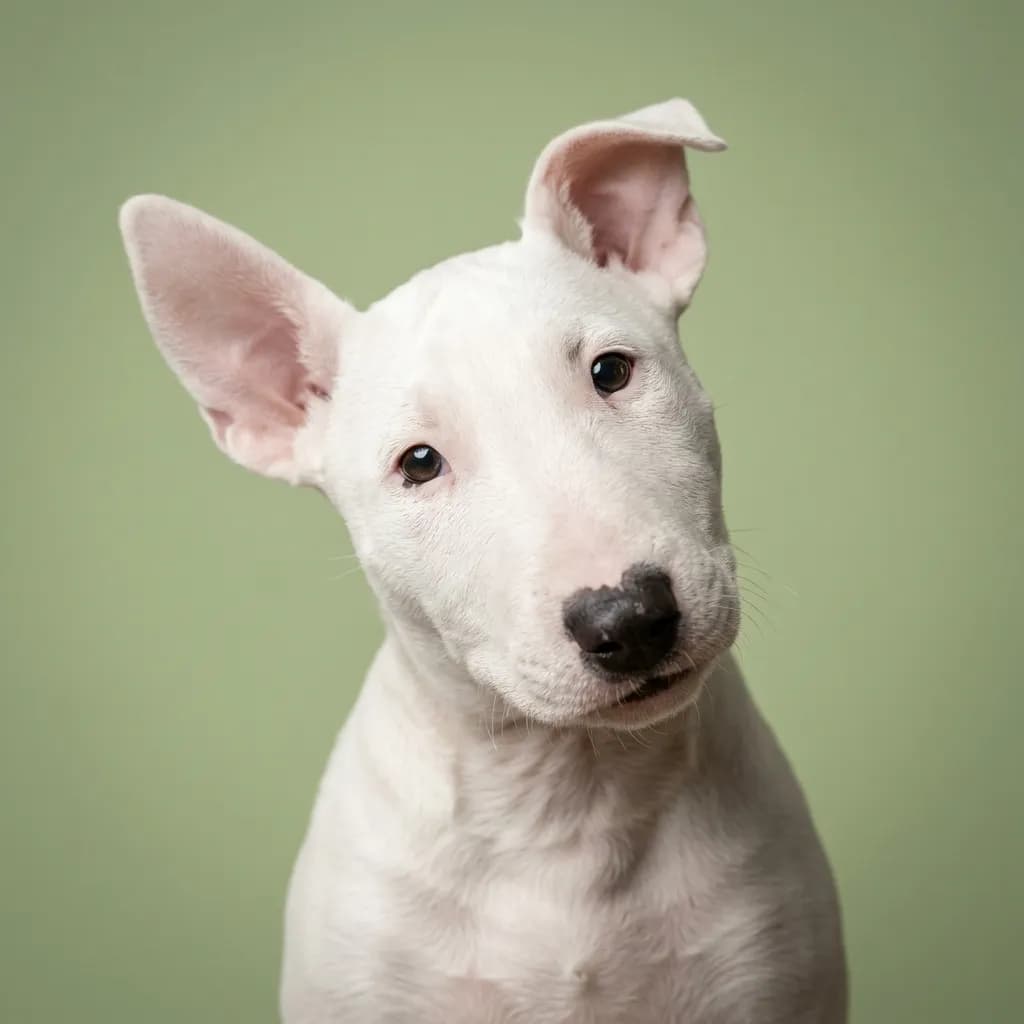
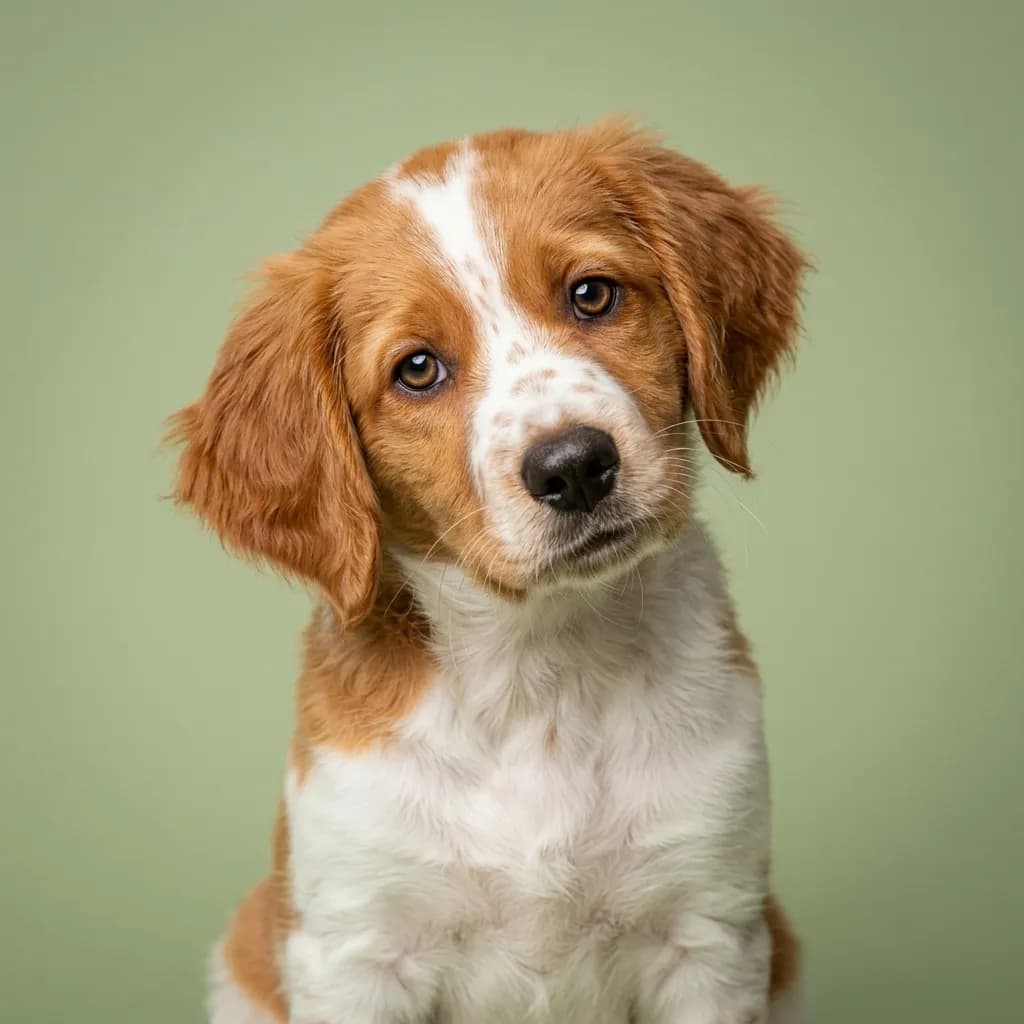
You’re not going to see a Bull Terrier and a Drentsche Patrijshond confused at the dog park. unless you squint at their size and think "medium-large, white-spotted dog." But deep down, they're nothing alike. People compare them because both look striking, both have white in their coats, and both are rare enough that when you stumble on one, you start Googling. That’s where the similarity ends. The Bull Terrier is the class clown with a heart of gold and a head like a bowling pin. He’s goofy, stubborn, and will chew your coffee table if left alone too long. He needs a handler who’s calm but firm, someone who doesn’t mind a 70-pound dog trying to sit on their lap. He’s affectionate but intense, great with older kids who can match his energy, but not ideal if you’re gone all day or want a chill couch buddy. The Drent, meanwhile, is a Dutch bird-hunting machine built for stamina and precision. Bred to quarter fields and point game for hours, this dog lives to work. He’s eager to please, incredibly intelligent, and thrives when he has a job. whether that’s hunting, agility, or long hikes. He’s gentler with kids than the Bull Terrier, more adaptable in temperament, but he absolutely needs movement. A bored Drent will turn destructive, not from mischief but from frustration. Here’s the real talk: the Bull Terrier wants to be your drama-filled best friend. The Drent wants to be your partner in adventure. If you're looking for a character, go Bull Terrier. If you're looking for a teammate, go Drent. And if you don’t hunt or hike regularly? The Drent will break your heart. or your house.
Trait-by-trait
Higher bar = more of that trait. Shedding, barking, drooling, grooming flipped for readability.Where they diverge
Choose the Bull Terrier if…
- Active individuals
- Experienced dog owners
- Families with older children
- You value playfulness — Bull Terrier scores noticeably higher.
Choose the Drentsche Patrijshond if…
- hunters
- active families
- outdoor enthusiasts
- You value good with young children — Drentsche Patrijshond scores higher here.