Bull Terrier vs Dutch Shepherd
Side-by-side comparison across all 14 AKC trait ratings, with a clear verdict on which breed fits which kind of household.

Not sure which breed fits your life?
Answer five questions about your home, your schedule, and your tolerance for shedding. We’ll match you to your top three breeds from over 200.
Bull Terrier vs Dutch Shepherd
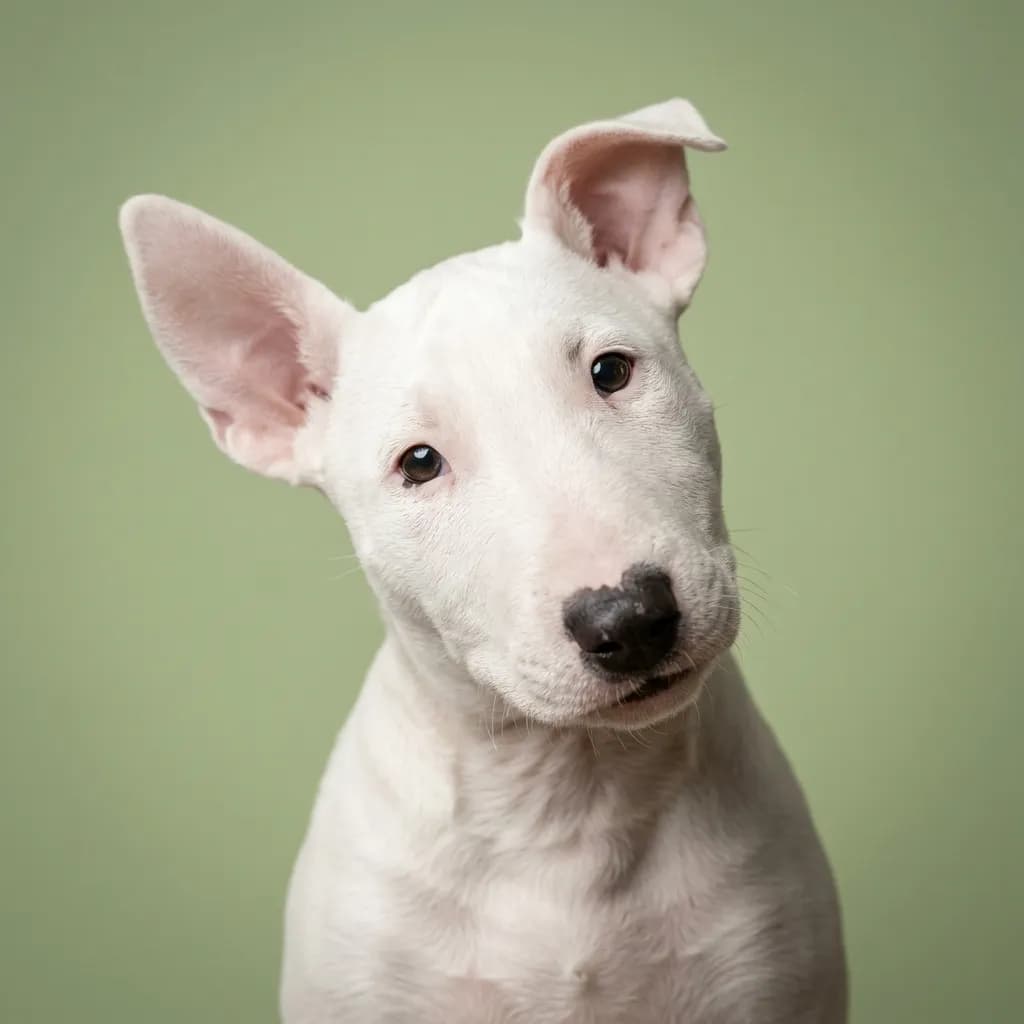
People compare Bull Terriers and Dutch Shepherds because they’re both bold, high-energy breeds with a job to do and opinions to share. On the surface they might seem like two peas in a pod. medium to large, short coats, loyal to their people. but live with either for a week and you’ll see they’re built for entirely different lives. The Bull Terrier is the class clown with a stubborn streak. He’ll steal your socks, charm your guests, and ignore your recall like it’s background noise. He’s affectionate, yes, loves to curl up on the couch after a good zoom session, but he’s not built for precision. Trainability is only a 3 out of 5 for a reason. he’ll do what he wants, when he wants, especially if he’s bored. And if you’ve got a yard, make sure it’s escape-proof. These dogs are escape artists with a talent for mischief. The Dutch Shepherd? He’s the disciplined athlete. Bred to work all day on a Dutch farm, he thrives on structure. This dog lives for tasks, agility, tracking, obedience. he wants a job and he wants it now. With a 5 out of 5 in both energy and mental stimulation needs, he’ll outlast most marathon runners. But he’s quiet, not a barker, and intensely focused. He bonds deeply but isn’t clowning around for attention. If you’re active, experienced, and want a dog that can do it all. protection, sports, farm work. the Dutch Shepherd’s your match. If you want a quirky, affectionate character who’ll keep you laughing and don’t mind some stubbornness, go Bull Terrier. Here’s the real talk: the Bull Terrier will love you through anything. The Dutch Shepherd will respect you only if you earn it. Know which relationship you’re signing up for.
Trait-by-trait
Higher bar = more of that trait. Shedding, barking, drooling, grooming flipped for readability.Where they diverge
Choose the Bull Terrier if…
- Active individuals
- Experienced dog owners
- Families with older children
- You value good with strangers — Bull Terrier scores noticeably higher.
Choose the Dutch Shepherd if…
- Active individuals
- Experienced dog owners
- Police and military work
- You value good with other dogs — Dutch Shepherd scores higher here.