Bull Terrier vs Great Pyrenees
Side-by-side comparison across all 14 AKC trait ratings, with a clear verdict on which breed fits which kind of household.
Not sure which breed fits your life?
Answer five questions about your home, your schedule, and your tolerance for shedding. We’ll match you to your top three breeds from over 200.
Bull Terrier vs Great Pyrenees
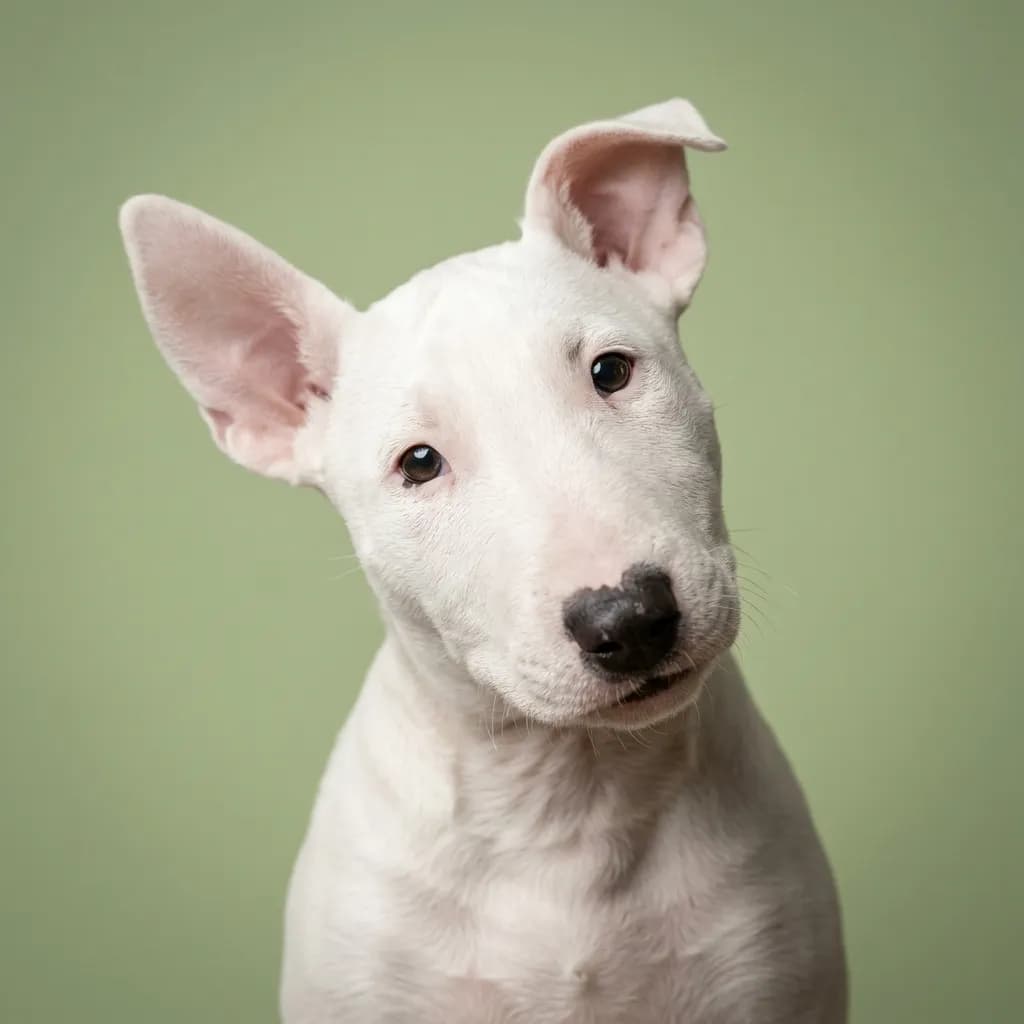
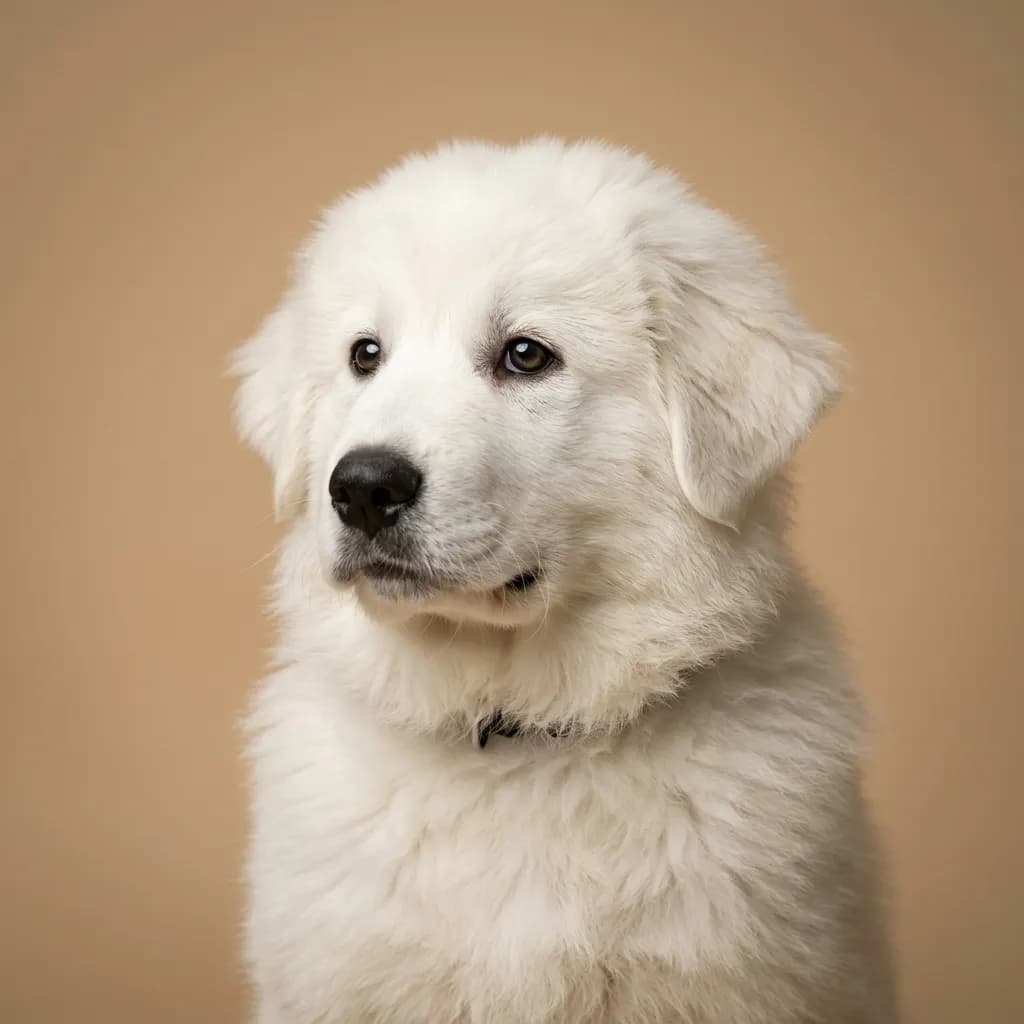
People compare Bull Terriers and Great Pyrenees because both are bold, unmistakable dogs with strong personalities and a presence that fills a room. But that’s where the similarity ends. One is a compact, wiry comedian with a steel-trap jaw and a need for constant engagement. The other is a massive, fluffy mountain of calm, built like a draft horse with the patience of a babysitter on overtime. If you’re choosing between them, you’re really asking: do you want a high-octane partner-in-crime or a stoic guardian who doubles as a living parka? The Bull Terrier thrives on games, puzzles, and mischief. He’s clever, stubborn, and will outwit you if you’re not on your toes. He’s great with older kids who can match his energy but can be too intense for toddlers or homes with cats. He needs space to run, but also a solid training foundation. he won’t come when called if something more interesting happens, say, a squirrel or a plastic bag in the wind. The Great Pyrenees, in contrast, is the dog that watches the horizon while you sleep. Bred to guard flocks alone in the cold mountains, he’s independent to a fault. He’s incredibly affectionate with his family, especially children, but his instincts run deep. he’ll bark at a falling leaf and won’t trust anything unfamiliar. You can’t rush him. Training takes consistency, not force, and shedding? You’ll find white fur in your coffee mug. Here’s the truth the breed standards don’t tell you: the Bull Terrier needs a job to stay sane, even as a pet. Without one, he’ll invent his own. like dismantling your couch. The Great Pyrenees doesn’t need a job. He’s already got one. And he’ll do it whether you like it or not.
Trait-by-trait
Higher bar = more of that trait. Shedding, barking, drooling, grooming flipped for readability.Where they diverge
Choose the Bull Terrier if…
- Active individuals
- Experienced dog owners
- Families with older children
- You value good with strangers — Bull Terrier scores noticeably higher.
Choose the Great Pyrenees if…
- Livestock guardians
- Rural or farm living
- Families with children
- You value good with other dogs — Great Pyrenees scores higher here.