Bull Terrier vs Labrador Retriever
Side-by-side comparison across all 14 AKC trait ratings, with a clear verdict on which breed fits which kind of household.

Not sure which breed fits your life?
Answer five questions about your home, your schedule, and your tolerance for shedding. We’ll match you to your top three breeds from over 200.
Bull Terrier vs Labrador Retriever
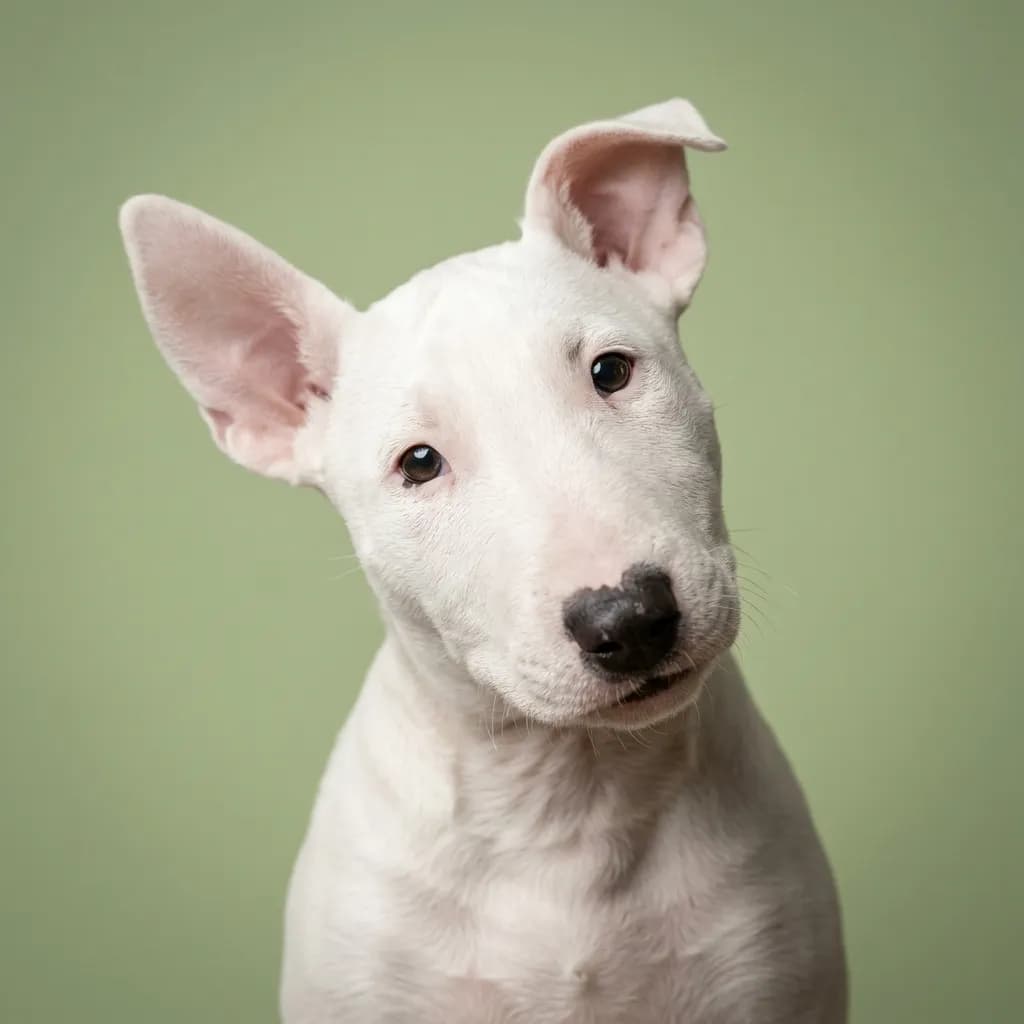
People compare Bull Terriers and Labradors because they’re both mid to large-sized dogs with bold personalities and a certain goofy charm. But that’s where the similarities end. Think of it like choosing between a quirky indie film and a blockbuster family favorite. they both entertain, but the experience couldn’t be more different. The Bull Terrier is a character through and through. They’re full of mischief, stubborn in the best (and worst) ways, and bond fiercely with their people. You’ll need patience. training takes time, and their energy demands mental games, not just fetch. They’re not the dog you take to the dog park and let off-leash; their prey drive is real, and they don’t always play nice with smaller animals. If you’ve got kids, they’d better be older ones. this isn’t a toddler’s playmate. But if you want a dog with personality, one that makes you laugh daily and follows you like a shadow, this breed delivers. The Labrador, on the other hand, is the golden child of the dog world for a reason. They’re eager to please, easy to train, and adapt to almost any home. apartment with yard access, family with young kids, even service roles. Their energy is relentless, and they’ll eat anything that isn’t nailed down (watch the weight). You’ll be brushing dog hair off your clothes daily, but their affection is unconditional. Here’s the real talk: Labs are predictable in the best way. Bull Terriers? They keep you on your toes. If you want harmony, get a Lab. If you want a dog that feels like a mischievous roommate with a heart of gold, go for the Bull Terrier. but only if you’ve got the experience and the sense of humor to keep up.
Trait-by-trait
Higher bar = more of that trait. Shedding, barking, drooling, grooming flipped for readability.Where they diverge
Choose the Bull Terrier if…
- Active individuals
- Experienced dog owners
- Families with older children
Choose the Labrador Retriever if…
- Families with children
- First-time owners
- Active individuals
- You value good with other dogs — Labrador Retriever scores higher here.