Bull Terrier vs Sealyham Terrier
Side-by-side comparison across all 14 AKC trait ratings, with a clear verdict on which breed fits which kind of household.
Not sure which breed fits your life?
Answer five questions about your home, your schedule, and your tolerance for shedding. We’ll match you to your top three breeds from over 200.
Bull Terrier vs Sealyham Terrier
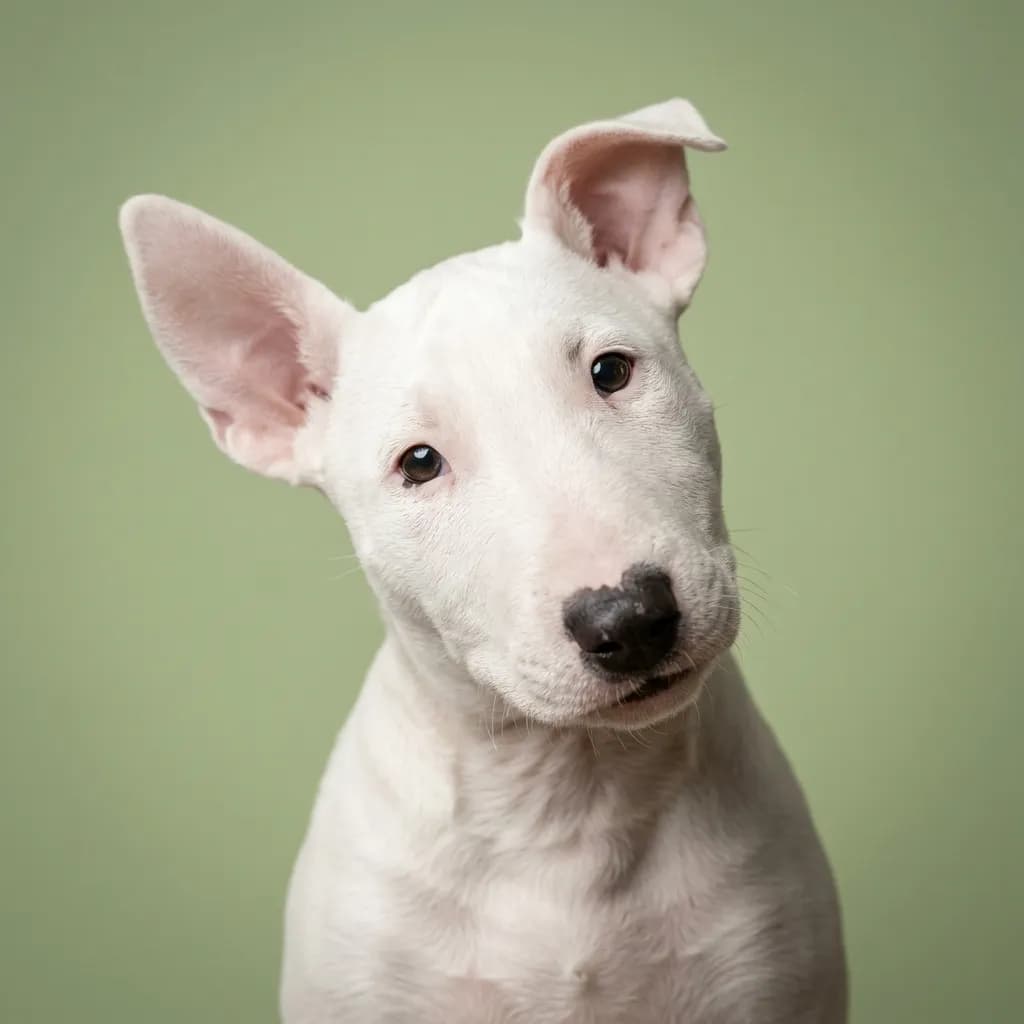
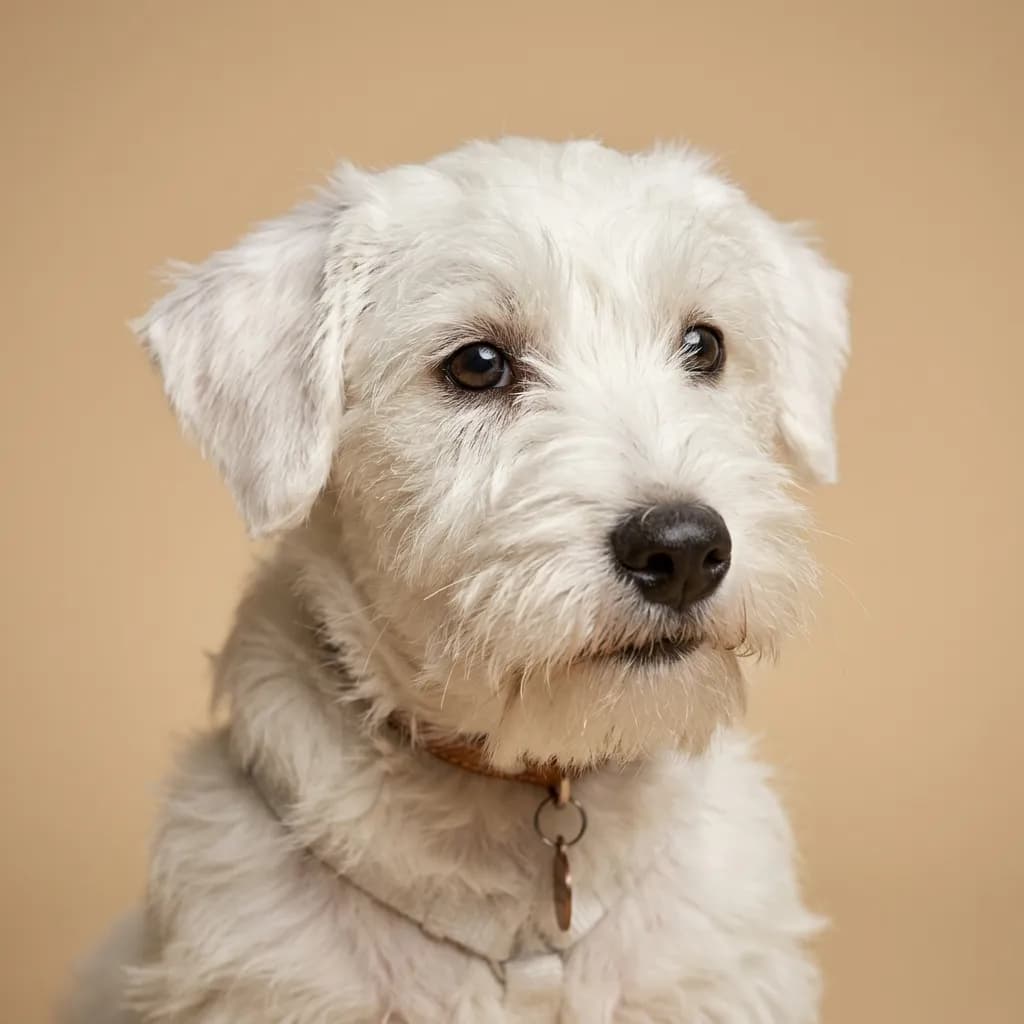
You’re not really comparing a Bull Terrier to a Sealyham because they look alike. nobody’s mistaking that egg-shaped tank for a tiny white fluffball. You’re comparing them because both are terriers with personality to spare, and you’re trying to decide which kind of chaos fits your life. Let’s cut through it. The Bull Terrier is a full-contact companion. At 70 pounds of coiled mischief, this dog will lean into your side like a drunk buddy at a party, charm strangers, then destroy your favorite shoes with zero remorse. They’re goofy and deeply affectionate, but they need structure. A lot of it. Without consistent training and serious mental stimulation, they’ll rewire your home office just to see what happens. They’re not great with small pets, and off-leash freedom? Forget it. They were bred to tackle and hold, and that instinct doesn’t vanish in the backyard. The Sealyham, on the other hand, is the terrier for people who love the spirit but not the sprint. Small, sturdy, and surprisingly quiet for a barky breed, they’re happy in apartments and adore their people with a quiet, stubborn loyalty. They’re easier to train and less physically demanding, but don’t be fooled. they still have that terrier edge. They’ll bark at squirrels like it’s a job, and if they catch a whiff of something underground, they’ll dig like they’re on a deadline. Here’s the real talk: if you want a dog that turns heads and demands your full attention, go Bull Terrier. If you want a compact, affectionate oddball who fits into slower-paced life but still has some fire, the Sealyham’s your guy. Just know. both will steal your heart. And probably your socks.
Trait-by-trait
Higher bar = more of that trait. Shedding, barking, drooling, grooming flipped for readability.Where they diverge
Choose the Bull Terrier if…
- Active individuals
- Experienced dog owners
- Families with older children
- You value playfulness — Bull Terrier scores noticeably higher.
Choose the Sealyham Terrier if…
- Apartment living
- Seniors
- Those wanting a less active terrier
- You value good with other dogs — Sealyham Terrier scores higher here.