Bull Terrier vs Sussex Spaniel
Side-by-side comparison across all 14 AKC trait ratings, with a clear verdict on which breed fits which kind of household.
Not sure which breed fits your life?
Answer five questions about your home, your schedule, and your tolerance for shedding. We’ll match you to your top three breeds from over 200.
Bull Terrier vs Sussex Spaniel
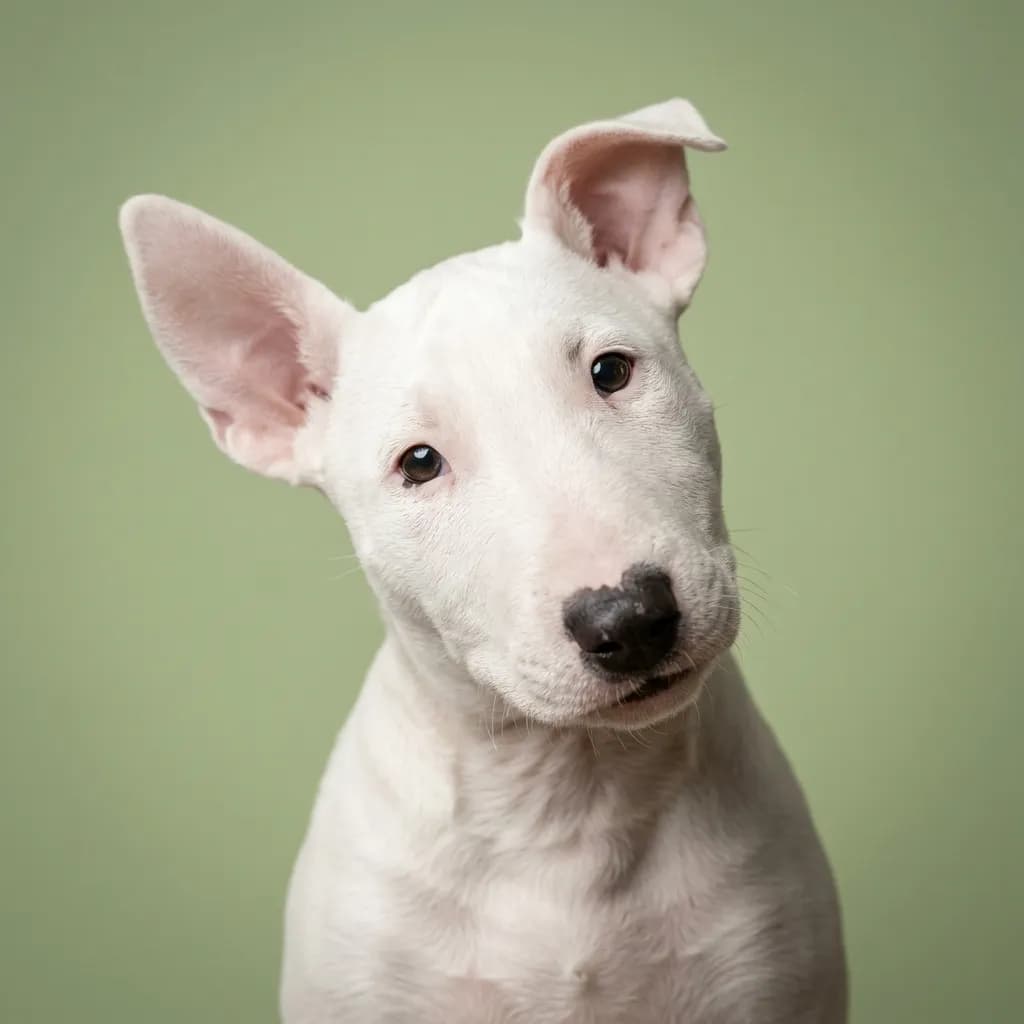
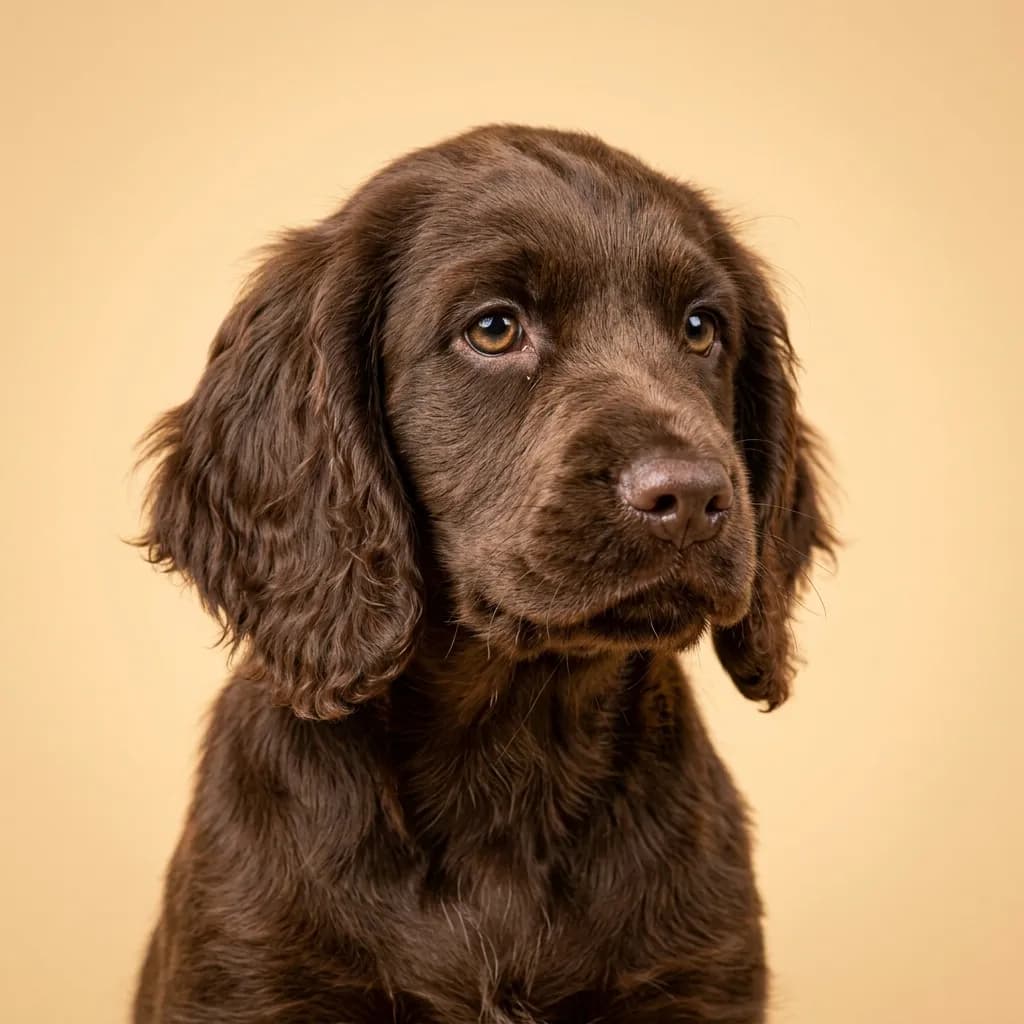
People usually don’t pit a Bull Terrier against a Sussex Spaniel. they look and live like entirely different species. But if you’re torn between them, what you’re really weighing is energy versus ease, mischief versus mellow. One’s a comedian with a wrecking ball for a tail, the other’s a golden-hearted couch potato with floppy ears and a slow wag. The Bull Terrier is a full-contact dog. It lives at volume. It’ll knock over your coffee table just to see what happens, then charm you into laughing about it. You need time, experience, and a yard to keep up with its 4/5 energy and need for mental chaos. They’re affectionate, sure, but on their terms. often involving stolen socks and stubborn silences during training. Good with older kids who won’t be bowled over, not so much with cats or first-time owners. The Sussex Spaniel? They’re the deep cut for dog lovers who want a spaniel that doesn’t bolt the second a squirrel moves. Calm, steady, built low to the ground for pushing through brambles in the English countryside, they’re happiest ambling beside you on a trail or snoozing at your feet. They’re more adaptable, more consistently trainable, and deeply affectionate in a quiet, constant way. But they’re not silent. expect that spaniel bark when something’s amiss. and ears need weekly checking. Here’s the real difference: Bull Terriers demand you join their world. Sussex Spaniels happily live in yours. If you want a dog that feels like a relationship, pick the Bull Terrier. If you want a companion who blends into life without rewiring it, the Sussex is your rare, golden mutt-energy in spaniel form.
Trait-by-trait
Higher bar = more of that trait. Shedding, barking, drooling, grooming flipped for readability.Where they diverge
Choose the Bull Terrier if…
- Active individuals
- Experienced dog owners
- Families with older children
- You value good with strangers — Bull Terrier scores noticeably higher.
Choose the Sussex Spaniel if…
- Moderately active owners
- Hunters in dense cover
- Families with children
- You value good with other dogs — Sussex Spaniel scores higher here.