Bullmastiff vs Cesky Terrier
Side-by-side comparison across all 14 AKC trait ratings, with a clear verdict on which breed fits which kind of household.

Not sure which breed fits your life?
Answer five questions about your home, your schedule, and your tolerance for shedding. We’ll match you to your top three breeds from over 200.
Bullmastiff vs Cesky Terrier
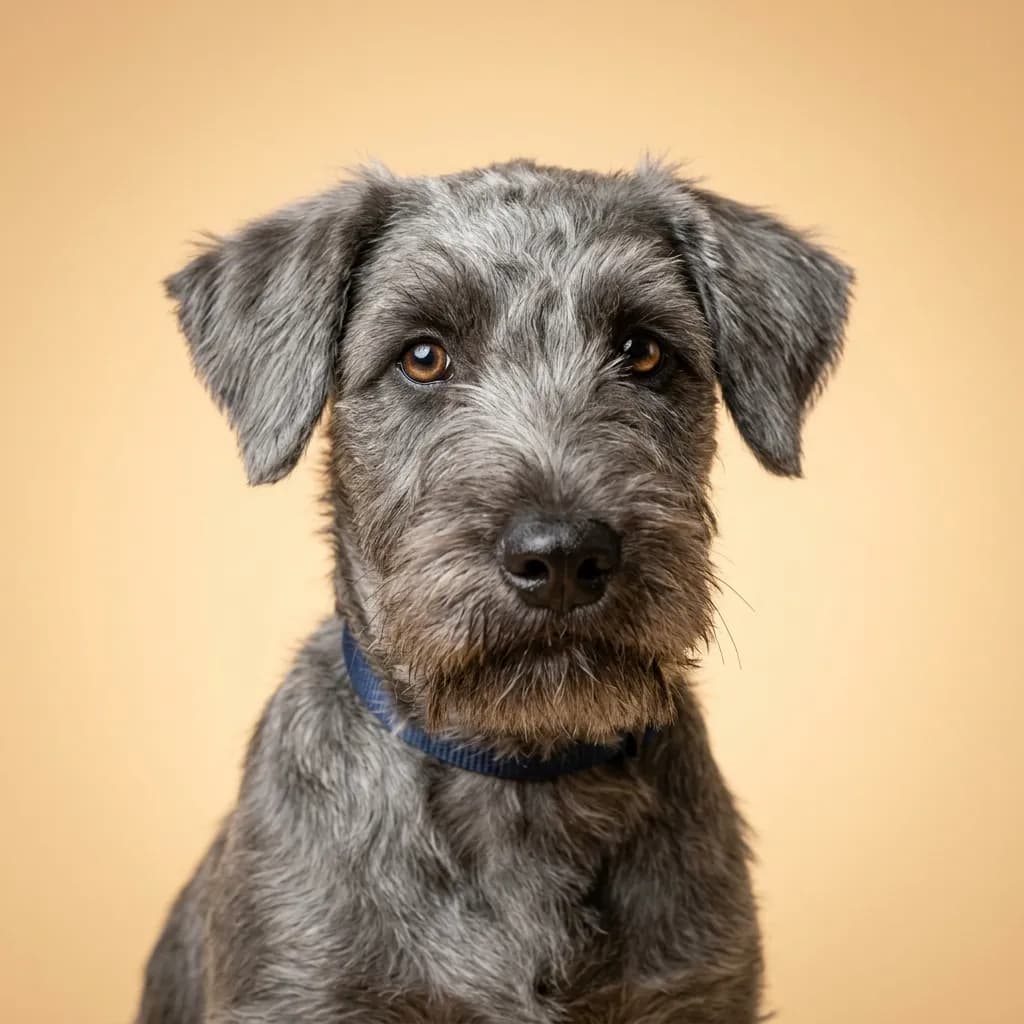
You’re not actually comparing these two breeds because they’re alike. because they’re not. You’re weighing them because you’re torn between instinct and practicality. One is a shadow at the foot of your bed, the other a pocket-sized adventurer under your arm. The Bullmastiff was forged in the English countryside to silently take down poachers; the Cesky Terrier was carved from Czech forest hunts, built to slip into burrows and outsmart prey. Their only real overlap? Loyalty and a quiet kind of courage. If you’re looking at the Bullmastiff, you’re probably a homeowner with space, a yard, and a tolerance for dog hair on your dark clothes. This dog isn’t just big, it’s present. You’ll feel its weight in the floorboards. It’s not hyperactive, but it needs structure, early training, and a vet you trust. hip issues and bloat are real concerns, and this breed doesn’t live long. But it loves deeply, quietly, and will stand between you and danger without hesitation. The Cesky is the opposite kind of commitment. Smaller, yes, but not low-maintenance. That silky coat demands brushing like clockwork. But it fits in apartments, travels easily, and plays gently with kids. It’s curious, not aggressive, and while it’ll bark at the mailman, it won’t terrify the neighbors. Here’s the truth beyond the data: Bullmastiffs don’t just protect your home. they change how you experience it. You’ll never leave a door unlocked again, not because you fear, but because you feel watched over. Ceskys, though, change your rhythm. They turn errands into adventures and quiet evenings into games of hide-and-seek. Pick the Bullmastiff if you want a guardian. Pick the Cesky if you want a partner in daily life.
Trait-by-trait
Higher bar = more of that trait. Shedding, barking, drooling, grooming flipped for readability.Where they diverge
Choose the Bullmastiff if…
- Experienced dog owners
- Families with older children
- Homeowners with fenced yards
- You value drooling level — Bullmastiff scores noticeably higher.
Choose the Cesky Terrier if…
- Apartment living
- Families with children
- Less active individuals
- You value good with young children — Cesky Terrier scores higher here.