Bullmastiff vs Lakeland Terrier
Side-by-side comparison across all 14 AKC trait ratings, with a clear verdict on which breed fits which kind of household.

Not sure which breed fits your life?
Answer five questions about your home, your schedule, and your tolerance for shedding. We’ll match you to your top three breeds from over 200.
Bullmastiff vs Lakeland Terrier
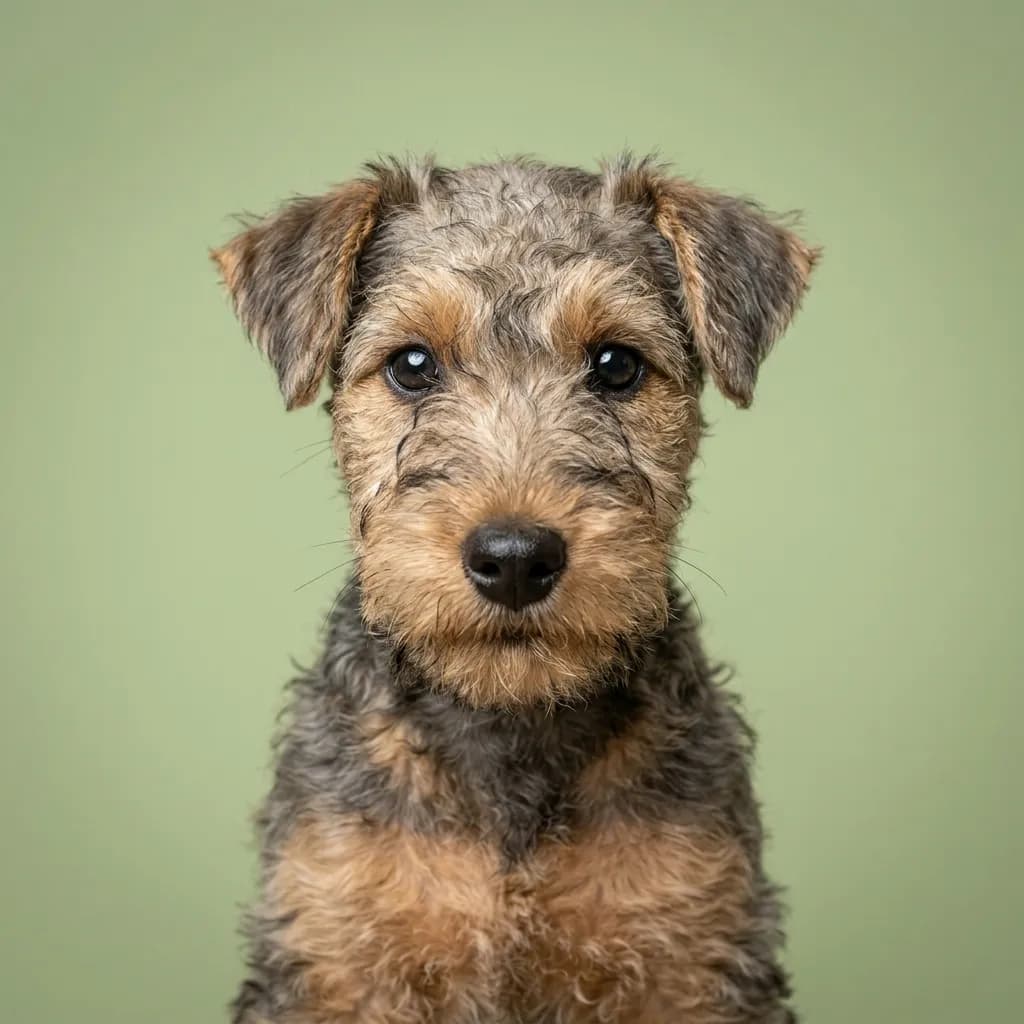
You’re not really comparing a Bullmastiff to a Lakeland Terrier because you’re torn between two similar dogs. You’re doing it because you’re trying to answer a deeper question: do I want a living, breathing home fortress or a feisty little adventurer with a motor that never quits? These breeds come from the same country but opposite ends of the dog world. The Bullmastiff is the quiet enforcer. At over 100 pounds, he’s built like a draft horse with opinions. He’s not yappy, he’s not hyper, but he’ll assess threats before you even notice them. He’s deeply loyal and affectionate with his people, but he’s not a lap dog. he’s more like a warm, wrinkly boulder that follows you from room to room. You need space for him, both physically and in lifestyle. He’s not for first-time owners because his sheer size means mistakes are costly. And yes, he can live with kids, but only respectful older ones who won’t trip over him. Then there’s the Lakeland Terrier. compact, wiry, and full of opinions. He’s 17 pounds of confidence, bred to go underground after foxes, which means he’s bold to a fault. He’s adaptable, fits in apartments, and sheds less, making him a better fit for city living or allergy concerns. But don’t be fooled by his size. He barks, he digs, he’ll chase squirrels like it’s his job. Training him takes consistency; he’s not stubborn, just independent. Here’s the real insight: the Bullmastiff grows into your life like furniture. you build around him. The Lakeland inserts himself into your adventures and expects you to keep up. Pick the Bullmastiff if you want a calm guardian. Pick the Lakeland if you want a partner who reminds you to play.
Trait-by-trait
Higher bar = more of that trait. Shedding, barking, drooling, grooming flipped for readability.Where they diverge
Choose the Bullmastiff if…
- Experienced dog owners
- Families with older children
- Homeowners with fenced yards
- You value drooling level — Bullmastiff scores noticeably higher.
Choose the Lakeland Terrier if…
- Active owners
- Experienced terrier handlers
- Allergy sufferers
- You value barking level — Lakeland Terrier scores higher here.