Bullmastiff vs Tosa
Side-by-side comparison across all 14 AKC trait ratings, with a clear verdict on which breed fits which kind of household.
Not sure which breed fits your life?
Answer five questions about your home, your schedule, and your tolerance for shedding. We’ll match you to your top three breeds from over 200.
Bullmastiff vs Tosa
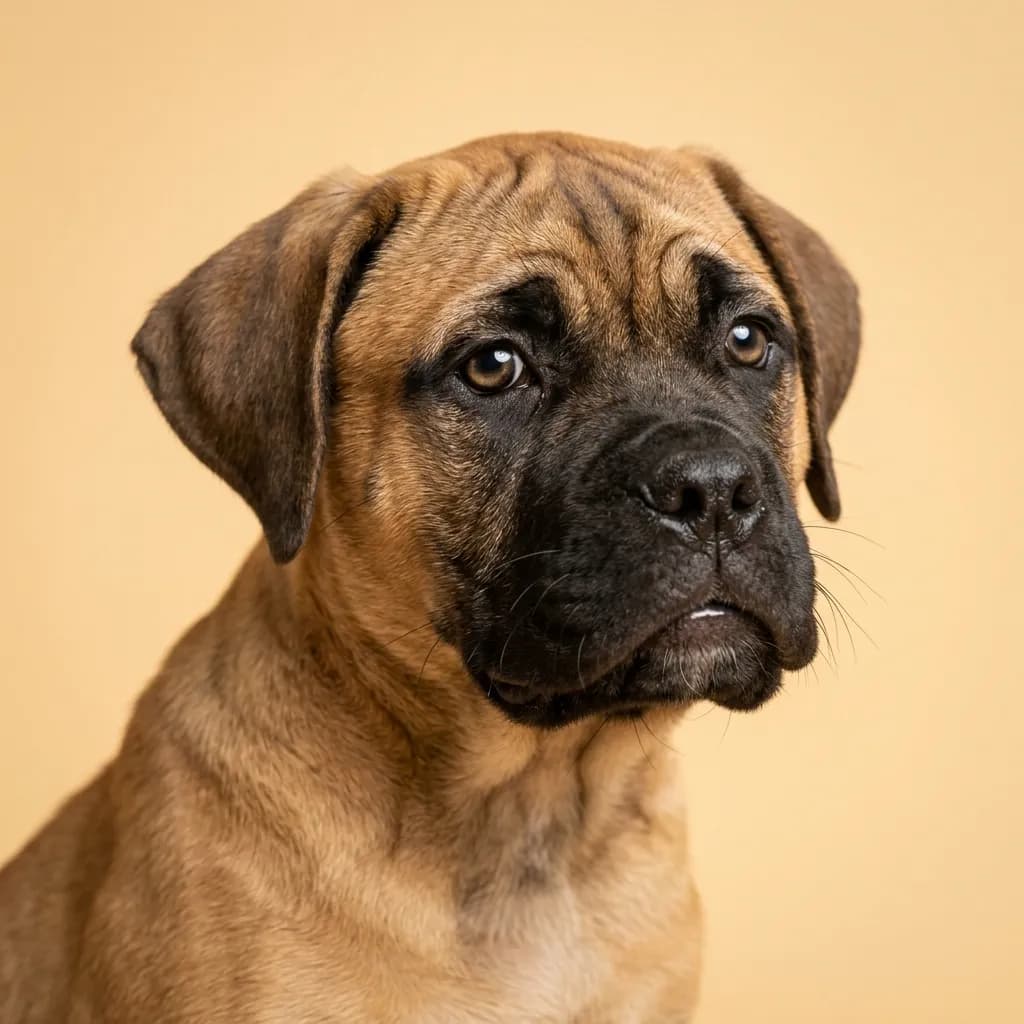
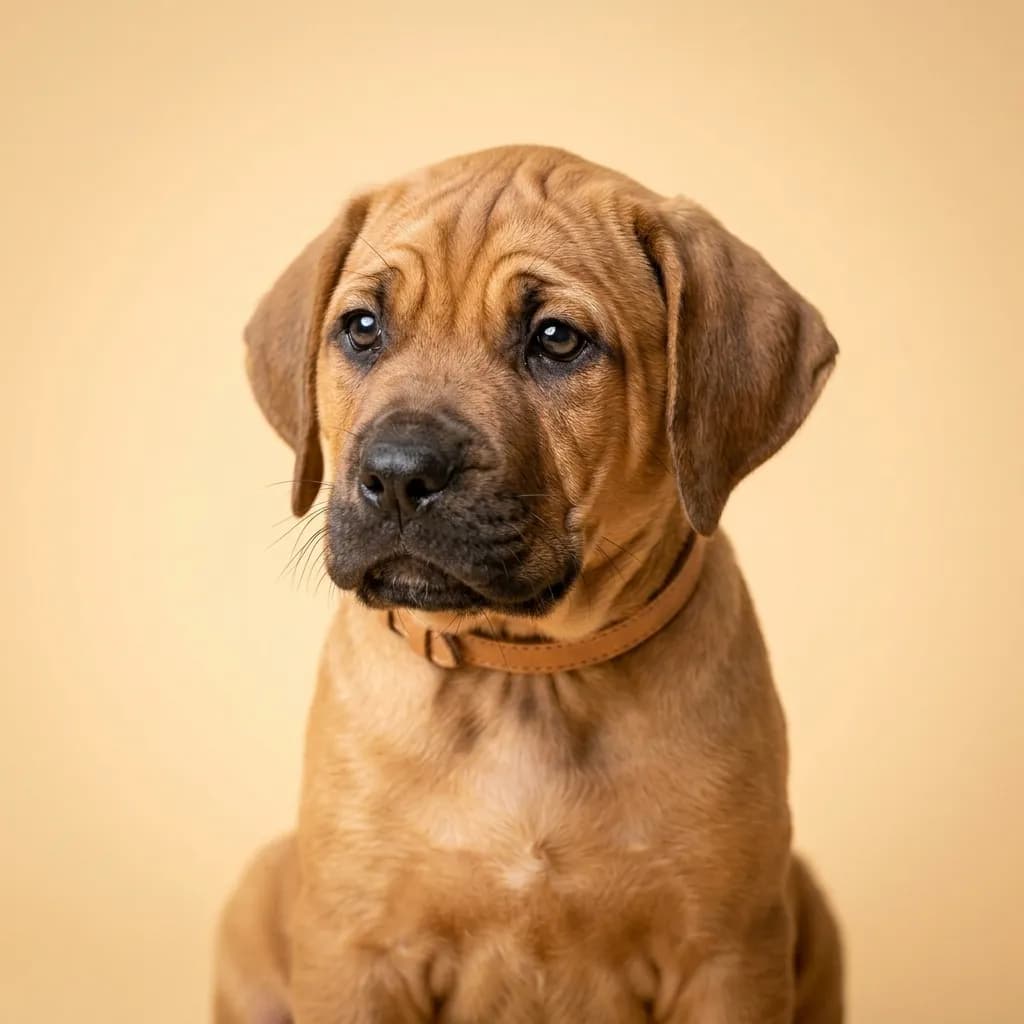
People compare Bullmastiffs and Tosas because they’re both massive, powerful dogs that look like they could stop a home invasion with a glare. But if you’re standing in your living room trying to decide which giant shadow to invite in, the real difference isn’t in their weight. it’s in their history and how that history lives in their bones. The Bullmastiff was bred to silently pin a poacher, not maul him. That means they’re steady, loyal, and surprisingly sensitive under that tough exterior. They bond deeply with families, though their size alone makes them risky around toddlers. You’ll need space, experience, and the ability to manage bloat risks and joint issues. They’re more adaptable than you’d think. within reason. A Bullmastiff will follow you from room to room like a furry bodyguard who also wants belly rubs. The Tosa is a different kind of quiet. Bred for dog fighting in Japan, their calmness isn’t just patience. it’s intensity under control. They’re affectionate with their people, yes, but reserved to the point of aloofness with strangers. Their energy is lower, but their mental weight is higher. They need an owner who understands canine psychology, not just obedience commands. And good luck finding one; many countries restrict them, and ethical breeders are rare. Here’s the thing beyond the data: the Bullmastiff wants to be part of your life. The Tosa lets you be part of his. If you’re looking for a devoted family guardian, go Bullmastiff. If you’re a seasoned handler seeking a serene, monumental companion who respects you more than he adores you, the Tosa might be your match. But don’t get a Tosa because he’s rare or impressive. Get him only if you’re ready to earn his trust every single day.
Trait-by-trait
Higher bar = more of that trait. Shedding, barking, drooling, grooming flipped for readability.Where they diverge
Choose the Bullmastiff if…
- Experienced dog owners
- Families with older children
- Homeowners with fenced yards
- You value good with other dogs — Bullmastiff scores noticeably higher.
Choose the Tosa if…
- very experienced large-breed owners
- homes with secure property
- owners seeking a calm giant breed companion
- You value barking level — Tosa scores higher here.