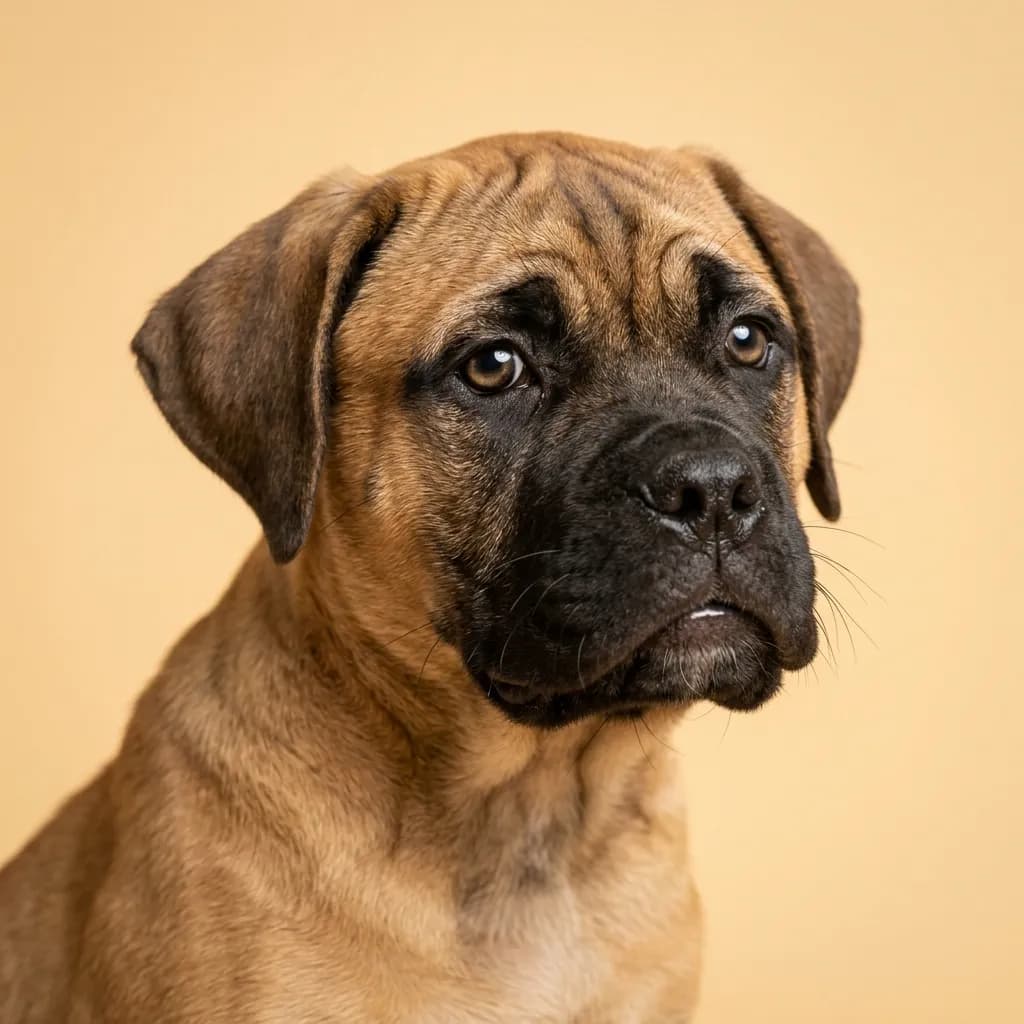
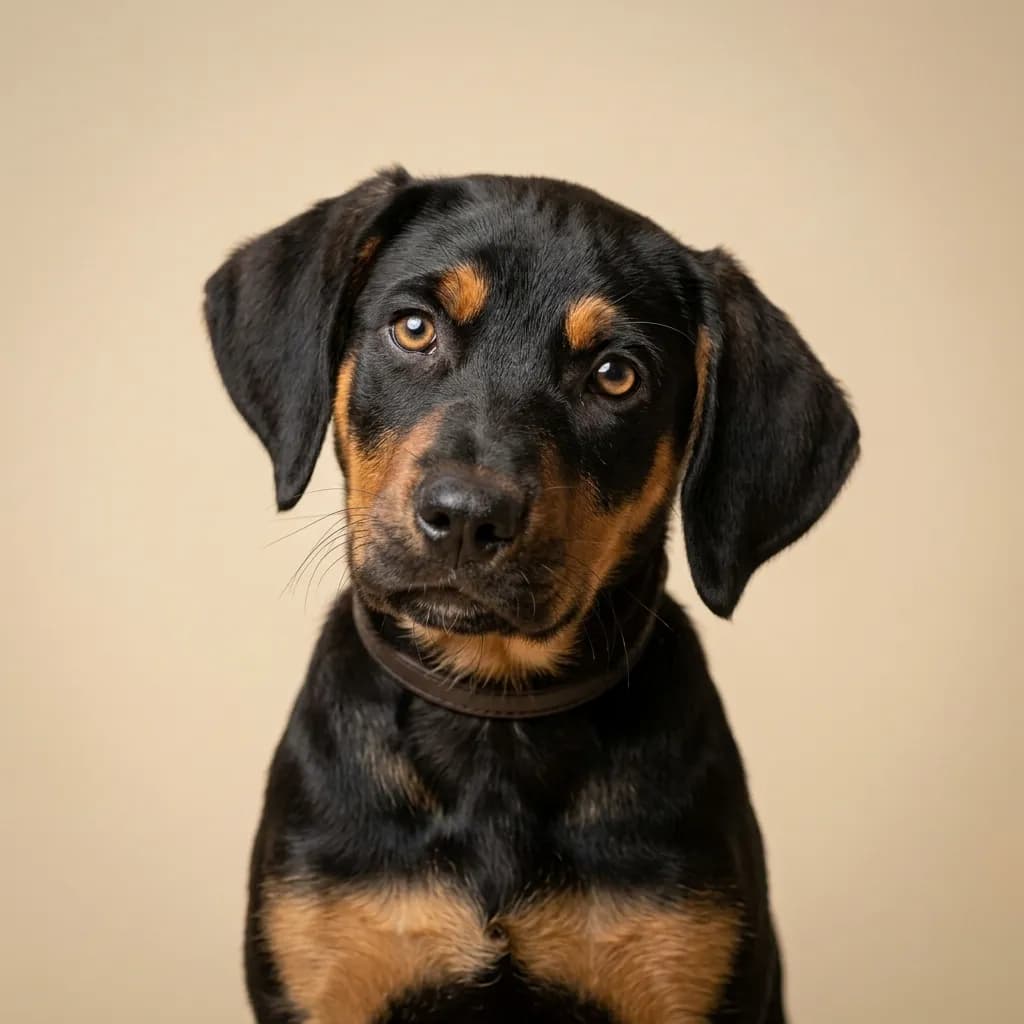
Bullmastiff vs Transylvanian Hound
Side-by-side comparison across all 14 AKC trait ratings, with a clear verdict on which breed fits which kind of household.
Not sure which breed fits your life?
Answer five questions about your home, your schedule, and your tolerance for shedding. We’ll match you to your top three breeds from over 200.
Bullmastiff vs Transylvanian Hound
People usually don’t pit the Bullmastiff against the Transylvanian Hound unless they’re deep in the weeds of rare breeds and guarding instincts, but here’s why it comes up: both are big, bold, and built for serious work. One comes off like a brick wall with loyalty, the other like a relentless shadow in the woods. If you’re torn between them, you’re probably imagining a dog that’s both capable and companionable. but these two get there in wildly different ways. The Bullmastiff is the silent guardian. At over 100 pounds of dense muscle, it’s bred to bowl over poachers, not bark at them. It’s calm indoors, deeply loyal, and great with older kids, but its sheer size and early adolescence can bulldoze a small child or a first-time owner. It snoozes more than you’d think for a 4/5 on energy, but don’t be fooled. hip dysplasia and bloat mean vet bills add up fast, and 7 to 9 years is a short window to love one. The Transylvanian Hound? That 5/5 energy isn’t a typo. This dog lives to track, trot, and bay. It’s lighter, yes. half the weight. but don’t mistake that for delicate. It’s bred to chase boar through mountain snow, so it’s tough, loud, and needs miles a day. But it’s also surprisingly sweet with kids and thrives on inclusion. You can’t keep this dog cooped up. It’ll howl, dig, or chew its way to freedom. Here’s the real talk: the Bullmastiff protects your property by being present. The Transylvanian Hound protects your family by staying close, but only if you let it run. Choose the Bullmastiff if you want a stoic yard sentinel. Choose the Hound if you hike, hunt, or live where the woods meet the yard. One’s a fortress, the other a partner. Pick your role.
Trait-by-trait
Higher bar = more of that trait. Shedding, barking, drooling, grooming flipped for readability.Where they diverge
Choose the Bullmastiff if…
- Experienced dog owners
- Families with older children
- Homeowners with fenced yards
Choose the Transylvanian Hound if…
- Active families
- Experienced dog owners
- Rural or suburban living
- You value barking level — Transylvanian Hound scores higher here.