Carolina Dog vs Norwegian Elkhound
Side-by-side comparison across all 14 AKC trait ratings, with a clear verdict on which breed fits which kind of household.
Not sure which breed fits your life?
Answer five questions about your home, your schedule, and your tolerance for shedding. We’ll match you to your top three breeds from over 200.
Carolina Dog vs Norwegian Elkhound
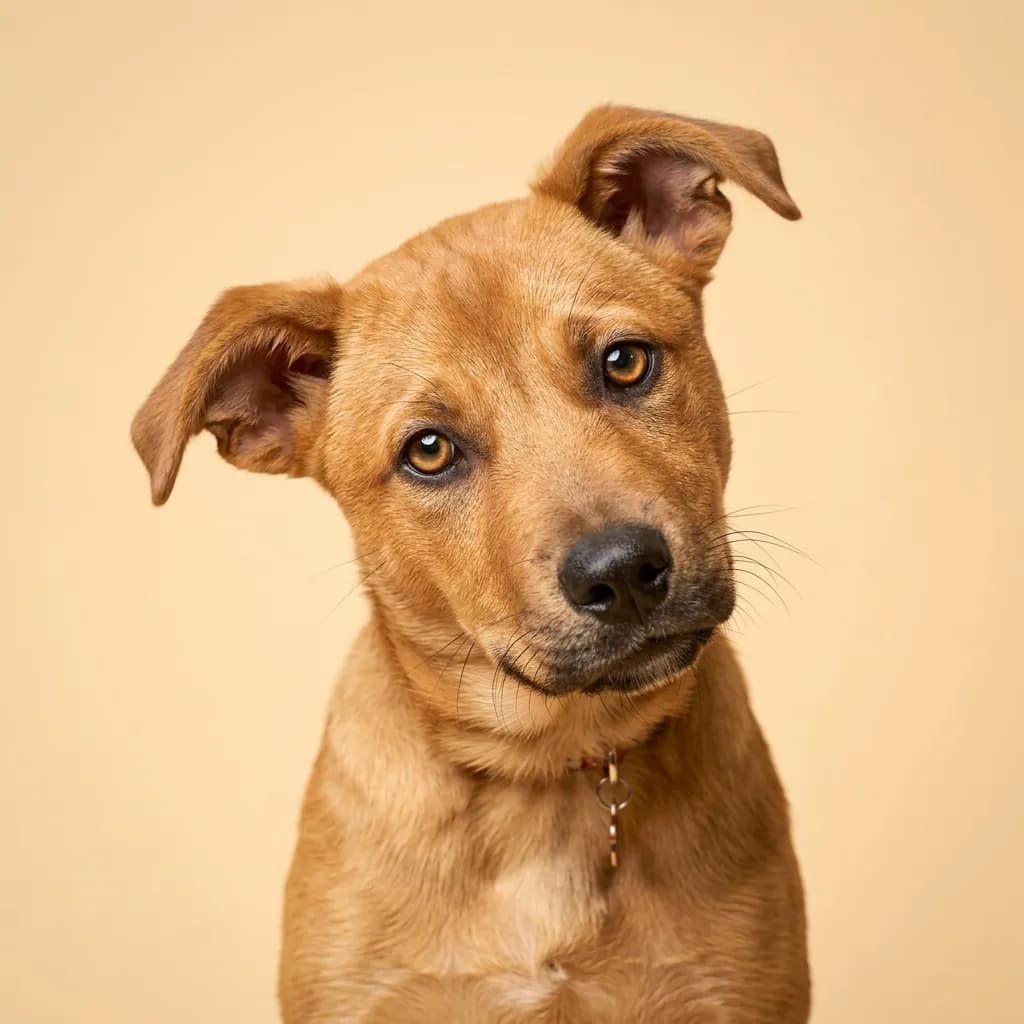
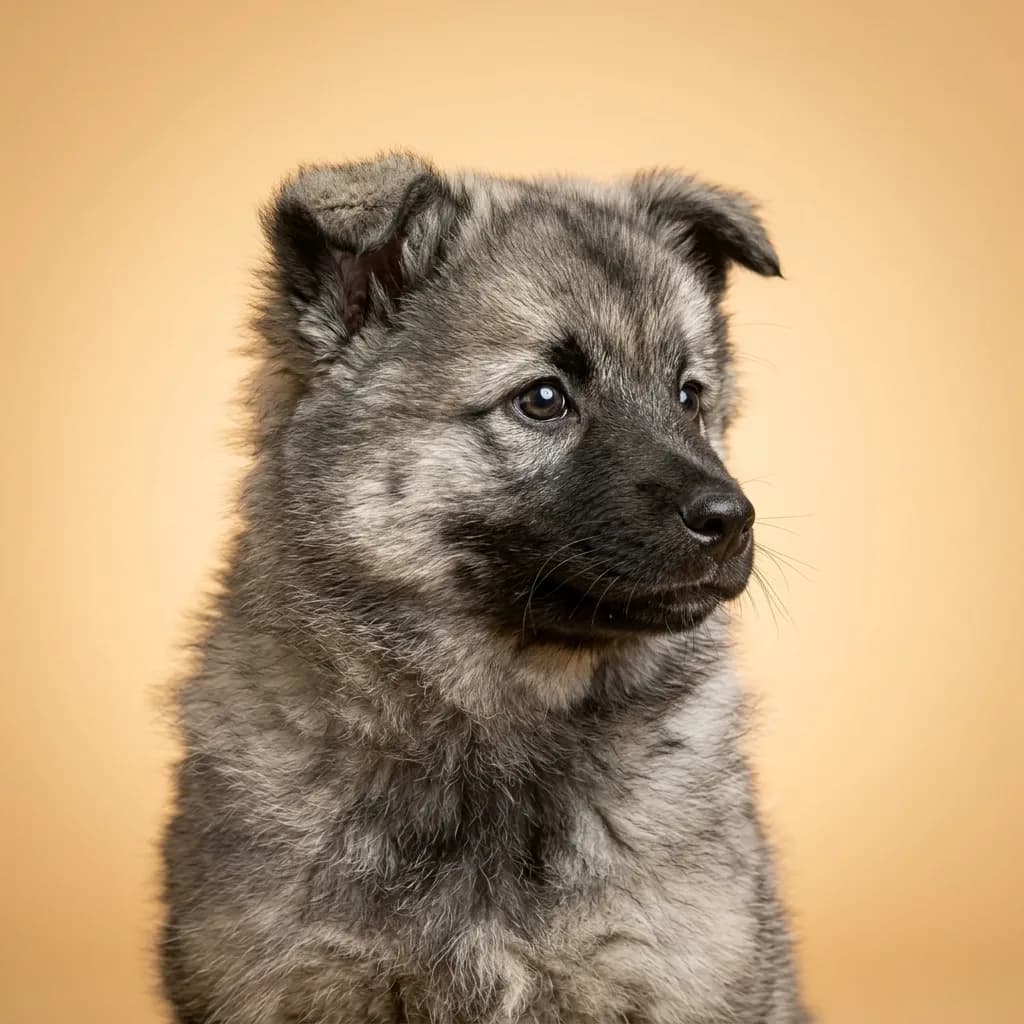
People compare the Carolina Dog and the Norwegian Elkhound because they’re both medium-sized, spitz-type breeds with fox-like faces and tails curled over their backs. At a glance, they might look like long-lost cousins. But spend a weekend with each and you’ll realize they’re built for entirely different worlds. The Carolina Dog is a survivor. Think of it as the American wild child. shaped by generations of scrapping for life in Southern backwoods. It’s loyal to its family but keeps its guard up around strangers, and it won’t jump through hoops just to please you. Training is possible, but it takes patience. It’s not stubborn so much as deeply thoughtful, like it’s weighing whether your request is worth its time. The Elkhound, meanwhile, is the bold, outgoing scout who’d lead the family hike up a snow-covered ridge. Bred to track moose through Nordic forests, it thrives on cold air, big activity, and a job to do. It’s more affectionate, easier to train, and doesn’t mind city noise or new people. But don’t be fooled by its friendliness. this dog will bark at a falling leaf and shed enough silver fur to knit a sweater. If you live in Arizona and want a quiet house dog, skip both. But if you’re active and outdoorsy, the Elkhound fits better in a suburban home with routine. The Carolina Dog? It shines in rural peace, with space to explore and an owner who respects its independence. Here’s the real talk: the Carolina Dog isn’t rare because it’s obscure. It’s rare because most people can’t handle its quiet intensity. It doesn’t want to be your shadow. It wants to be your partner. on its terms.
Trait-by-trait
Higher bar = more of that trait. Shedding, barking, drooling, grooming flipped for readability.Where they diverge
Choose the Carolina Dog if…
- active families
- experienced owners
- rural environments
Choose the Norwegian Elkhound if…
- Active families
- Cold climate dwellers
- Outdoor and hiking enthusiasts
- You value affectionate w/ family — Norwegian Elkhound scores higher here.