Carolina Dog vs Papillon
Side-by-side comparison across all 14 AKC trait ratings, with a clear verdict on which breed fits which kind of household.
Not sure which breed fits your life?
Answer five questions about your home, your schedule, and your tolerance for shedding. We’ll match you to your top three breeds from over 200.
Carolina Dog vs Papillon
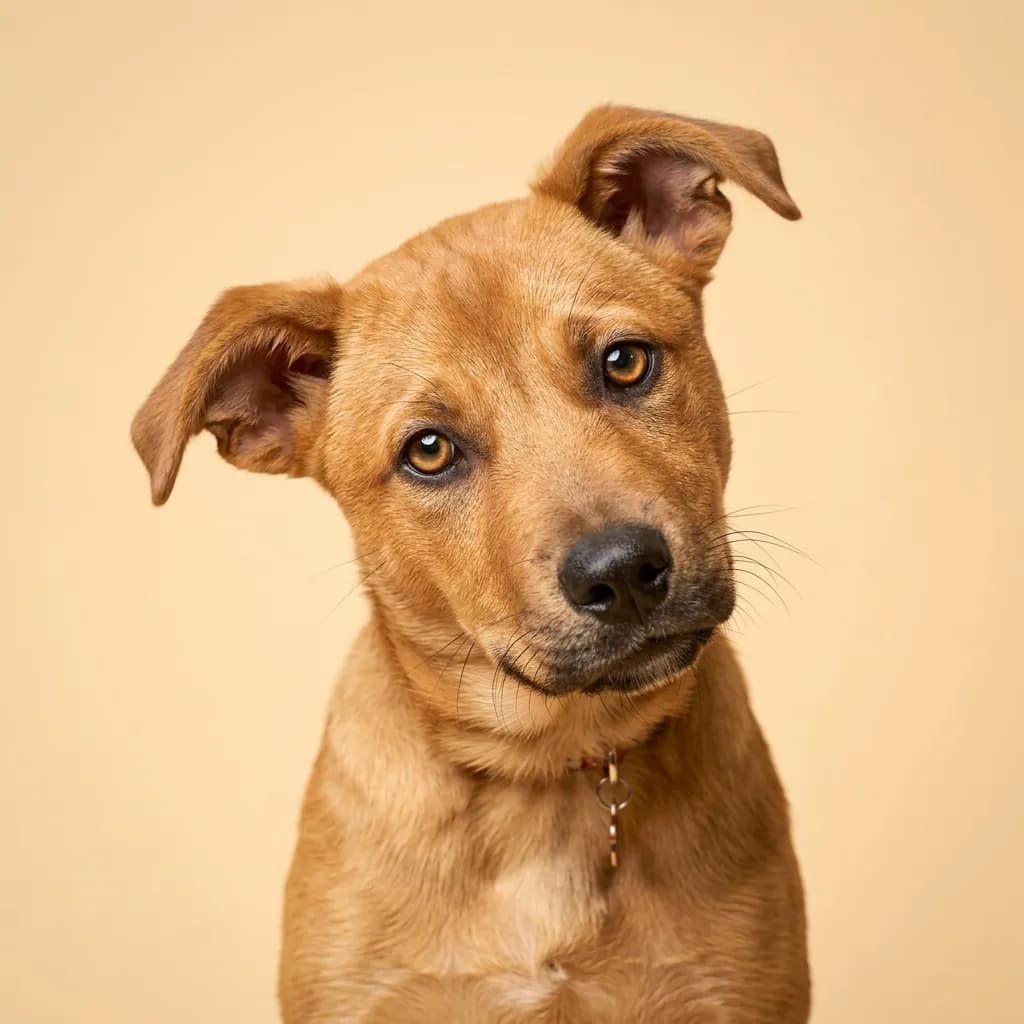
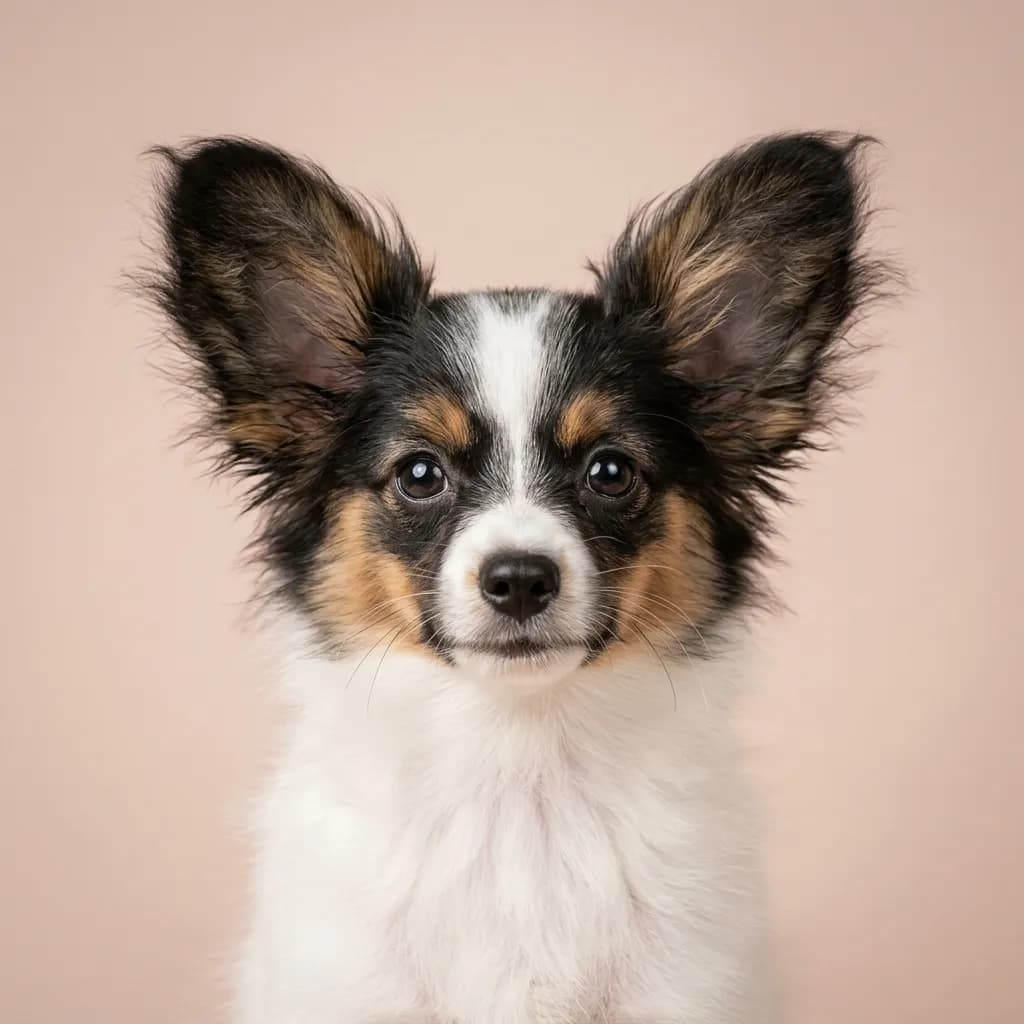
People compare the Carolina Dog and Papillon because they’re both mid-to-low shedding, alert, and surprisingly tough for their looks. But that’s where the similarities end. You’re not choosing between two versions of the same idea. You’re picking between a wild survivor and a polished performer. The Carolina Dog is a throwback to dogs that lived on the edges of swamps and forests in the American South. They’re smart, but on their own terms. They bond deeply with one or two people, stay wary of strangers, and won’t jump through hoops just because you asked nicely. They’re 30 to 55 pounds of quiet muscle and ancient instinct. You’ll need space, patience, and a securely fenced yard. preferably away from squirrels, cats, or anything they might view as prey. They’re not for first-time owners. Training works best when it feels like their idea. The Papillon, in contrast, is a 5 to 10 pound dynamo bred for courts and laps. They’re all about connection. happy, chatty, and eager to learn. They thrive in apartments, love kids (just not toddlers who might step on them), and can master tricks in minutes. They’ll bark at the mailman, yes, but they’ll also learn to ring a bell when they need to go outside. Their energy is mental as much as physical. If you want a dog that lives for puzzles, agility, or just being your shadow, this is your breed. Here’s what the data won’t tell you: the Carolina Dog may never fully relax in a busy household, while the Papillon might struggle without constant engagement. Pick the Papillon if you want a dog that’s always “on” and ready to please. Choose the Carolina Dog if you’re okay with a little emotional distance and want a living piece of American canine history that still thinks like a wild thing.
Trait-by-trait
Higher bar = more of that trait. Shedding, barking, drooling, grooming flipped for readability.Where they diverge
Choose the Carolina Dog if…
- active families
- experienced owners
- rural environments
- You value drooling level — Carolina Dog scores noticeably higher.
Choose the Papillon if…
- Apartment living
- Active owners
- Families with older children
- You value affectionate w/ family — Papillon scores higher here.