Carolina Dog vs Shiba Inu
Side-by-side comparison across all 14 AKC trait ratings, with a clear verdict on which breed fits which kind of household.
Not sure which breed fits your life?
Answer five questions about your home, your schedule, and your tolerance for shedding. We’ll match you to your top three breeds from over 200.
Carolina Dog vs Shiba Inu
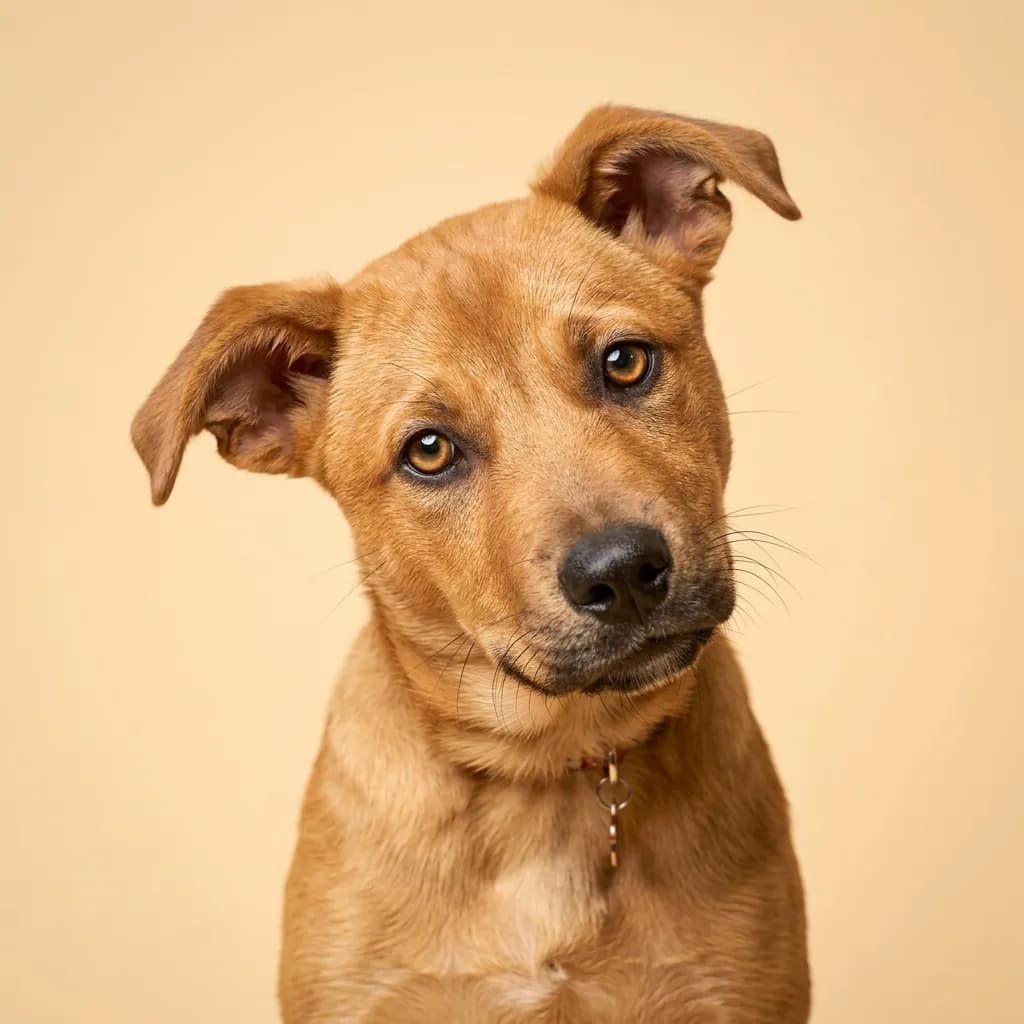
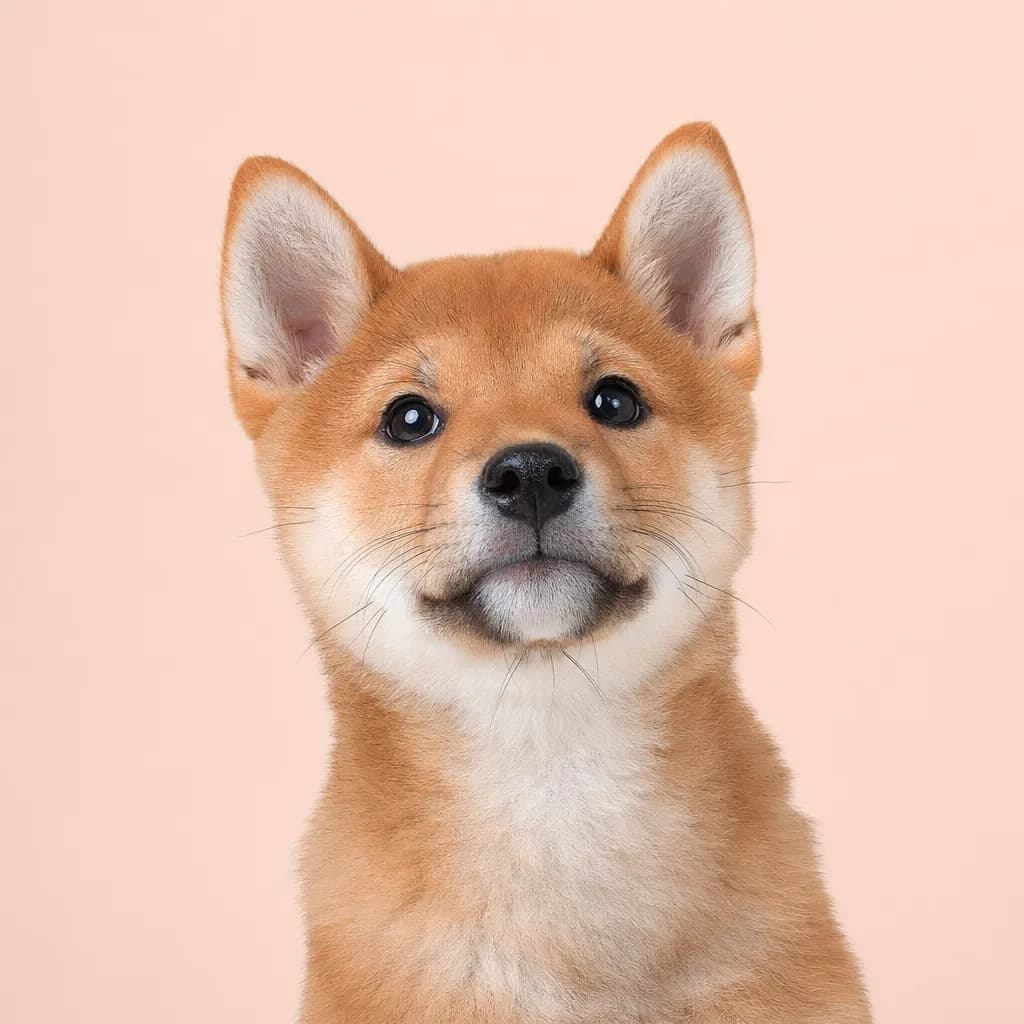
People often compare the Carolina Dog and the Shiba Inu because they look vaguely similar. pointy ears, curled tails, that wild, fox-like charm. and both carry themselves with a quiet dignity. But underneath that surface, they’re shaped by wildly different worlds. The Carolina Dog is a survivor from the American South, a free-ranging primitive breed that learned to fend for itself in the heat and humidity of the Deep South. The Shiba Inu? A centuries-old Japanese hunter, bred to flush birds and rabbits in rugged mountain terrain, with the attitude of a cat and the pride of a samurai. Size alone tells a big part of the story. The Carolina Dog is nearly twice the size of the Shiba, tipping the scales at up to 55 pounds. more substance, more presence. But it’s temperament where things really split. Both are independent and not ideal for first-time owners, but the Shiba’s stubbornness is legendary. You’ll train a Carolina Dog with patience and consistency; with a Shiba, you’re negotiating with a tiny, red-furred philosopher who’s not sure he wants to play by your rules. Families in rural settings who value resilience and a dog that can handle heat and space might lean toward the Carolina Dog. City dwellers or those enchanted by a bold, compact companion with big-dog energy in a small frame often fall for the Shiba. But here’s the real talk: neither will fetch your slippers. These aren’t people-pleasers. They bond deeply but on their terms. If you want a dog that truly needs you to be the boss, look elsewhere. These two remind you that dogs weren’t all bred to obey. they were also bred to survive. And that’s why they’re fascinating.
Trait-by-trait
Higher bar = more of that trait. Shedding, barking, drooling, grooming flipped for readability.Where they diverge
Choose the Carolina Dog if…
- active families
- experienced owners
- rural environments
- You value drooling level — Carolina Dog scores noticeably higher.
Choose the Shiba Inu if…
- Experienced dog owners
- Those wanting a cat-like independence
- Active owners
- You value affectionate w/ family — Shiba Inu scores higher here.