Carolina Dog vs Tornjak
Side-by-side comparison across all 14 AKC trait ratings, with a clear verdict on which breed fits which kind of household.
Not sure which breed fits your life?
Answer five questions about your home, your schedule, and your tolerance for shedding. We’ll match you to your top three breeds from over 200.
Carolina Dog vs Tornjak
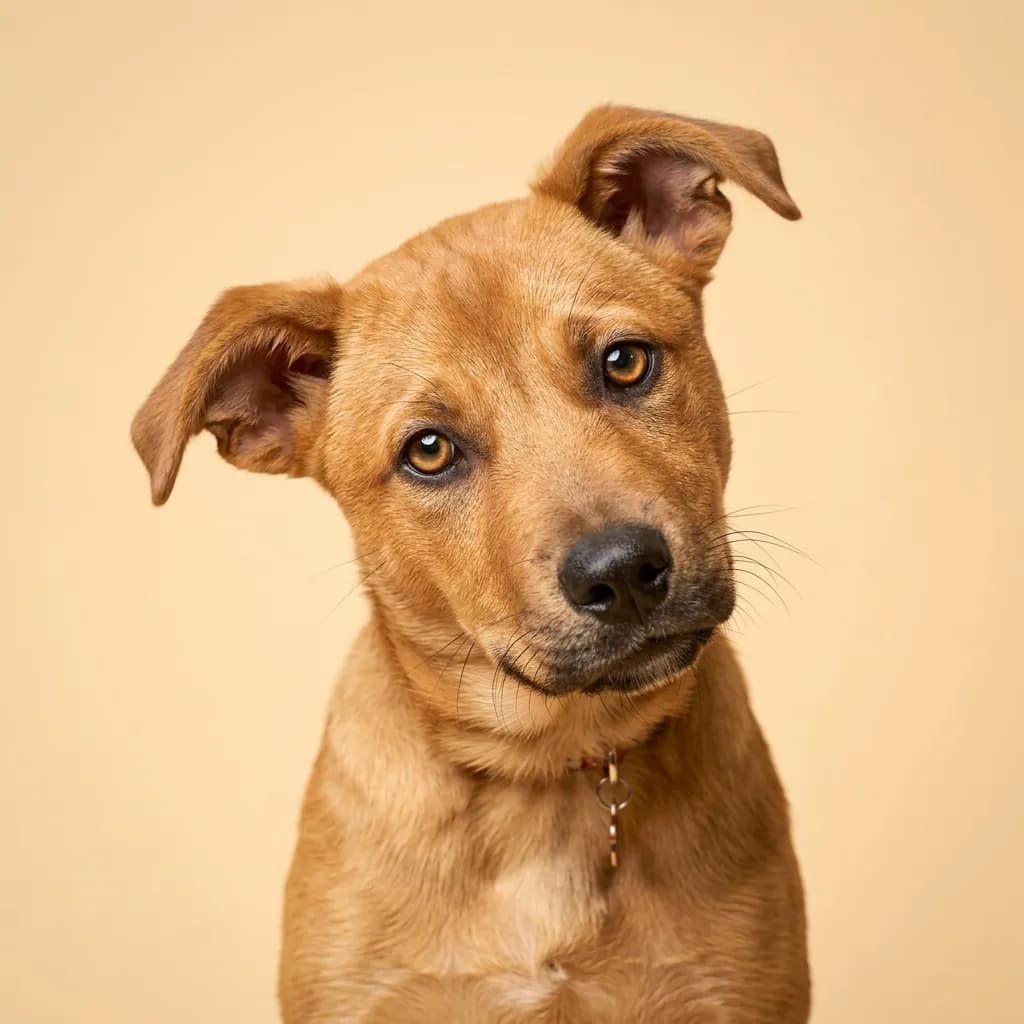
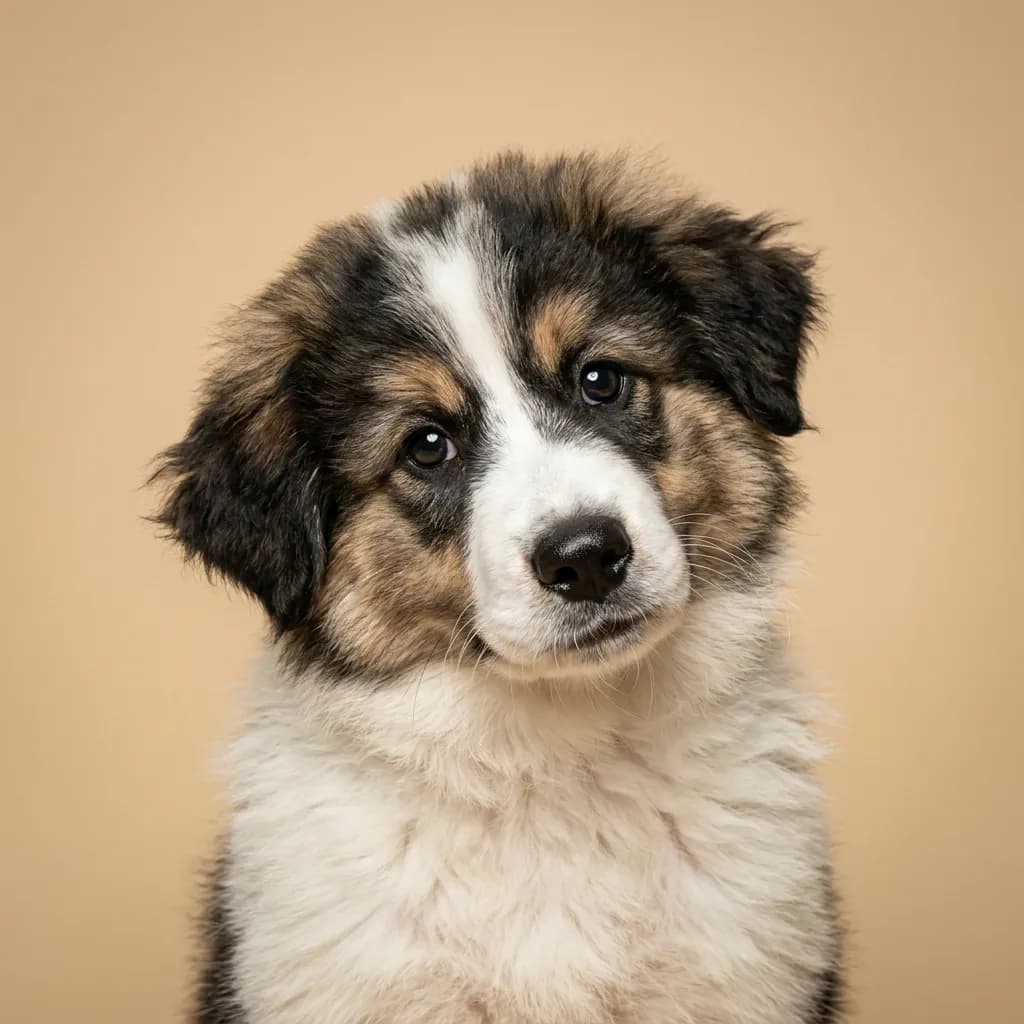
People compare the Carolina Dog and the Tornjak because both are rare, independent breeds with ancient roots and a strong "dog-ness" about them. At first glance, they seem similar. moderate energy, average trainability, a bit aloof with strangers. But that’s where the similarity ends, and your lifestyle will decide which one belongs in your life. The Carolina Dog is like a feral poet of the American South. lean, 30 to 55 pounds, built for survival. It’s reserved, observant, and won’t jump in your lap, but it’s deeply loyal to its people. This breed thrives with experienced owners who enjoy a dog that thinks for itself. It’s good in rural settings, doesn’t need constant entertainment, and won’t shed the house into a fur-lined cave. But it’s not a cuddle bug, and small pets might trigger its instincts. The Tornjak, in contrast, is your 100-pound livestock guardian from the Balkans. built like a furry tank, with thick double coat and a calm, watchful presence. It’s affectionate with family, courageous by nature, and happiest on a farm where it has space and purpose. But that coat sheds heavily, it needs cold weather to thrive, and bloat is a real concern. It’s not a dog you train for obedience titles; it’s a dog you trust to make its own decisions when guarding sheep at night. Here’s the thing most people miss: both breeds are independent, but for different reasons. The Carolina Dog is independent because it had to survive on its own. The Tornjak is independent because it has to be. it can’t wait for human direction when a wolf approaches the flock. So ask yourself: do you want a lean survivor of southern backroads, or a gentle giant with a guardian’s soul? Your answer shapes the life you’ll build together.
Trait-by-trait
Higher bar = more of that trait. Shedding, barking, drooling, grooming flipped for readability.Where they diverge
Choose the Carolina Dog if…
- active families
- experienced owners
- rural environments
- You value good with other dogs — Carolina Dog scores noticeably higher.
Choose the Tornjak if…
- Experienced large-breed owners
- Farm or rural settings
- Livestock guardian needs
- You value watchdog / protective — Tornjak scores higher here.