Central Asian Shepherd Dog vs Papillon
Side-by-side comparison across all 14 AKC trait ratings, with a clear verdict on which breed fits which kind of household.
Not sure which breed fits your life?
Answer five questions about your home, your schedule, and your tolerance for shedding. We’ll match you to your top three breeds from over 200.
Central Asian Shepherd Dog vs Papillon
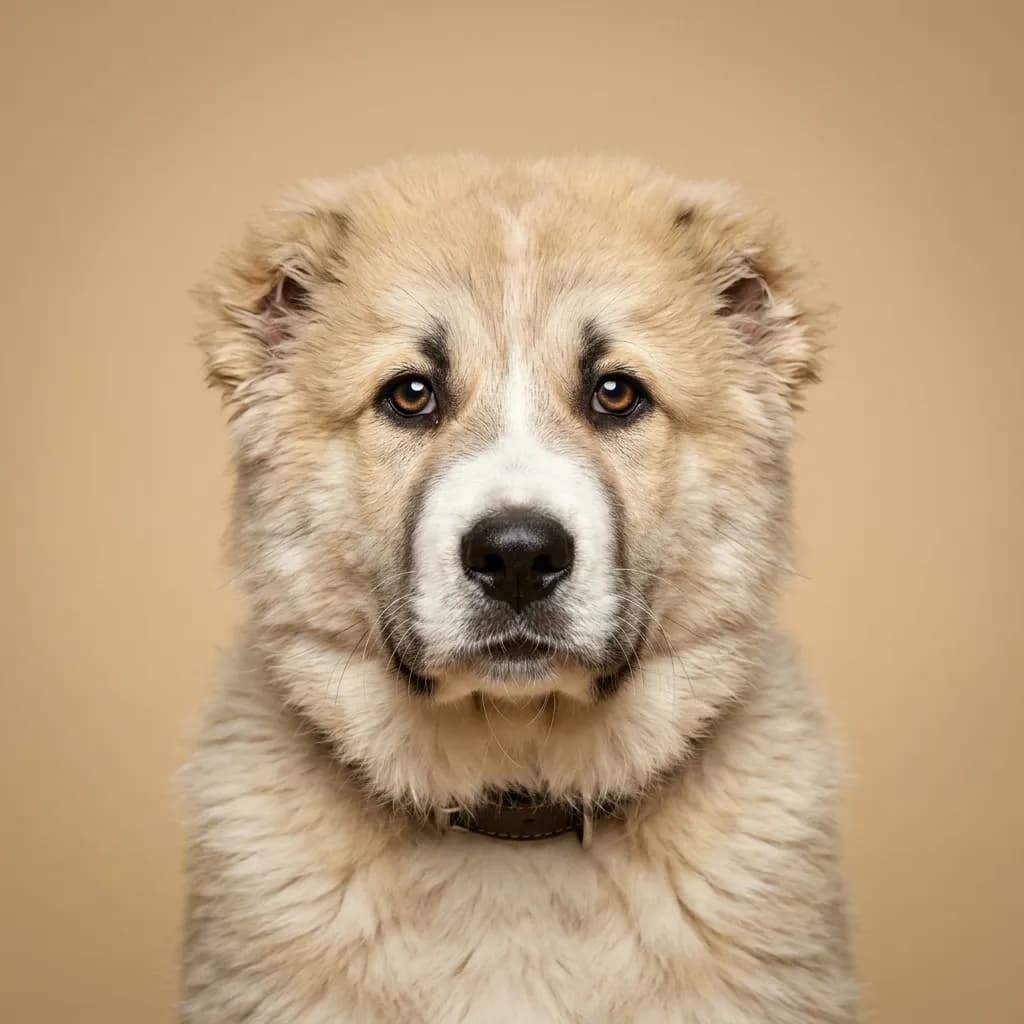
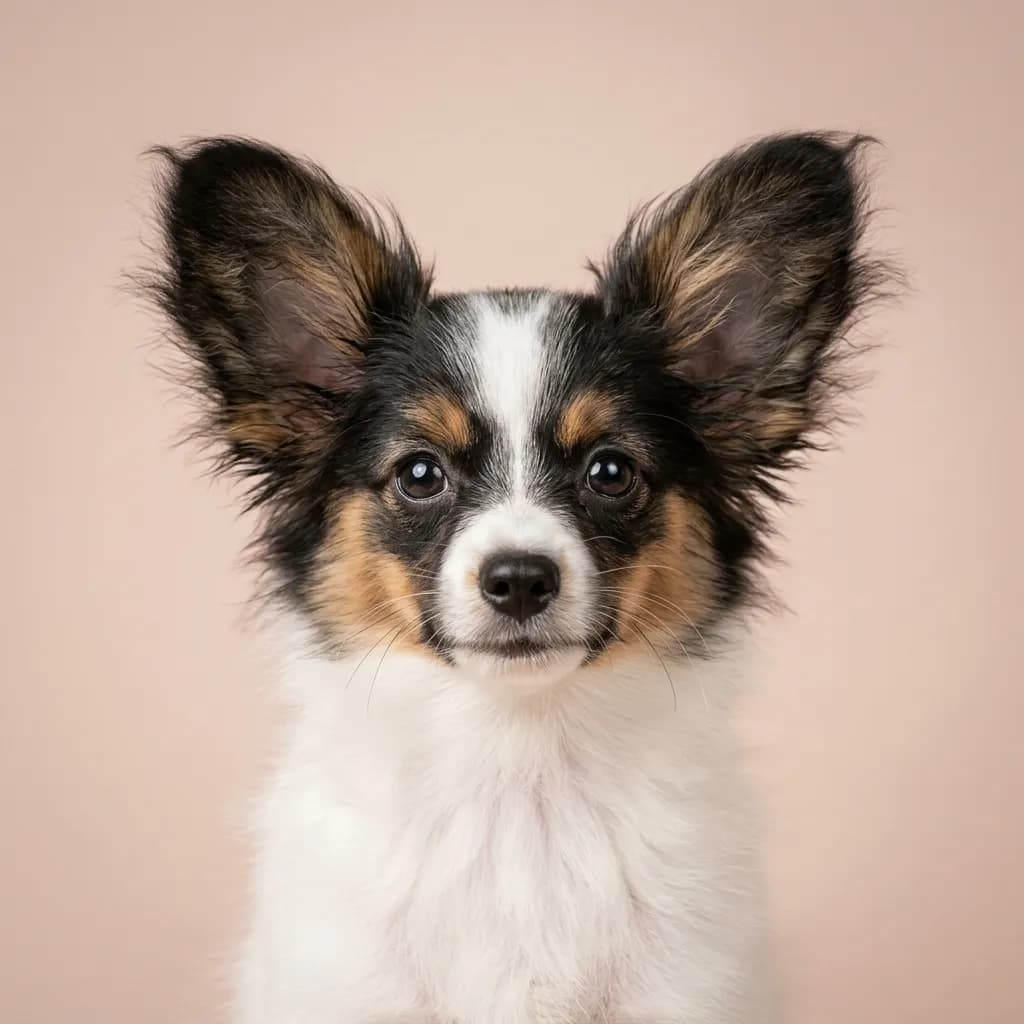
People don’t usually compare a Central Asian Shepherd Dog and a Papillon unless they’re deep in the dog world or just starting out and overwhelmed by extremes. These two breeds are like opposite ends of a seesaw. one built to stare down wolves on a remote mountain range, the other bred to charm royalty from a silk pillow. The real question isn’t which is “better.” It’s which life you’re actually living. If you’re on a farm with wide borders to guard and weather that bites, the Central Asian Shepherd might feel like destiny. This dog is fearless, independent, and deeply loyal. not to strangers, but to its family and land. It won’t follow commands blindly; it’ll assess the situation first. You need experience to lead one. They’re not aggressive without cause, but they won’t back down when they see one. They’re not for small homes or timid owners. Now, if you’re in a city apartment and want a dog that thrives on puzzles, tricks, and daily interaction, the Papillon is a spark plug of joy. It’s one of the smartest small dogs, eager to learn, and bonds tightly with people. But don’t be fooled by the delicate looks. this dog barks at everything and needs mental work or it’ll become a tiny, noisy dictator. Here’s the truth beyond the stats: the Central Asian Shepherd isn’t just guarding your property. It’s managing it, making decisions you didn’t ask it to make. And the Papillon? It may be small, but it doesn’t see itself that way. It’s a circus performer with a big-dog ego. Pick the Shepherd if you want a partner in solitude. Pick the Papillon if you want a co-star in daily life.
Trait-by-trait
Higher bar = more of that trait. Shedding, barking, drooling, grooming flipped for readability.Where they diverge
Choose the Central Asian Shepherd Dog if…
- Experienced dog owners
- Rural property and farm owners
- Livestock guardian needs
- You value drooling level — Central Asian Shepherd Dog scores noticeably higher.
Choose the Papillon if…
- Apartment living
- Active owners
- Families with older children
- You value good with strangers — Papillon scores higher here.