Cesky Terrier vs Pudelpointer
Side-by-side comparison across all 14 AKC trait ratings, with a clear verdict on which breed fits which kind of household.

Not sure which breed fits your life?
Answer five questions about your home, your schedule, and your tolerance for shedding. We’ll match you to your top three breeds from over 200.
Cesky Terrier vs Pudelpointer
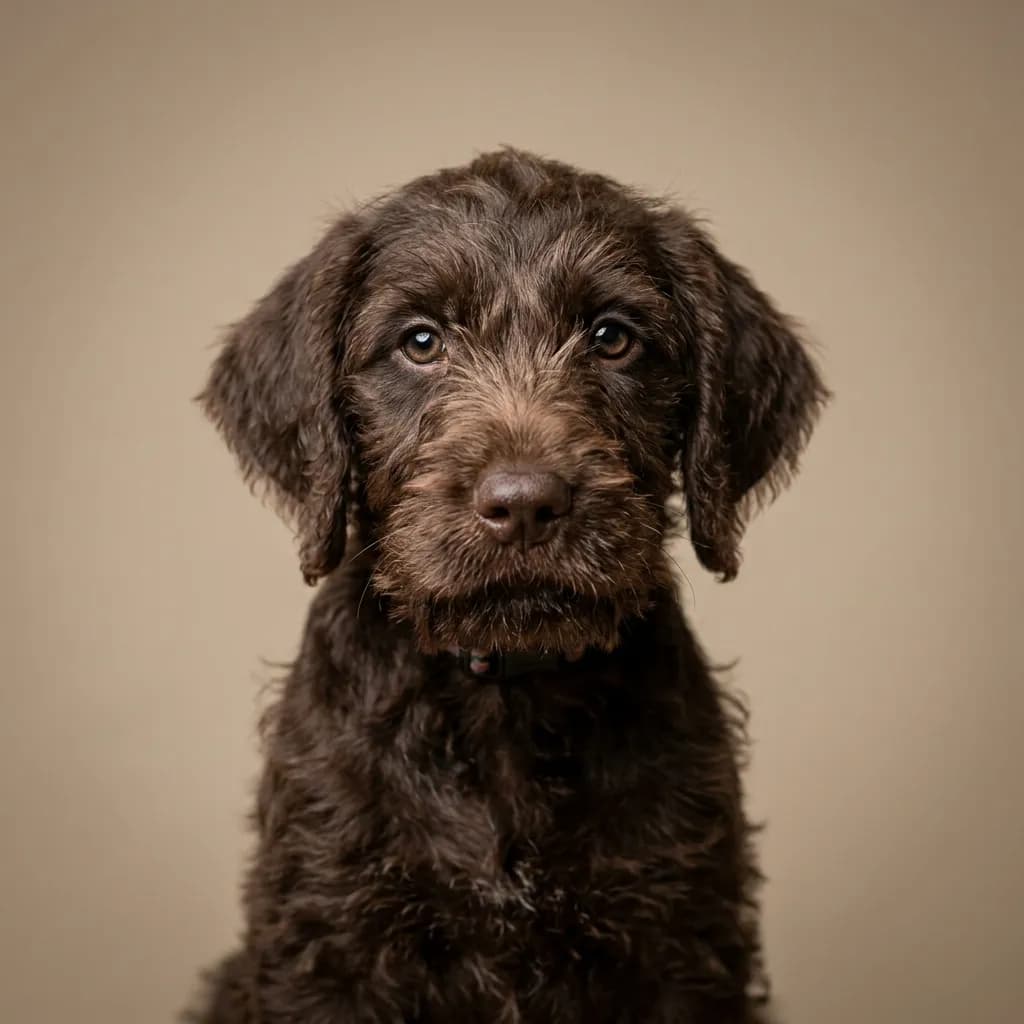
You probably wouldn’t compare a Cesky Terrier and a Pudelpointer if you weren’t deep in the dog world. maybe you love terriers but your partner wants a hunting dog, or you’re drawn to rare breeds and stumbled on these two. One’s a compact, quiet-ish charmer from Czech forests, the other a rugged, water-loving German gun dog built for long days in the field. They’re both smart and loyal, but they’re built for entirely different lives. The Cesky is your quiet, clever shadow. At 14 to 24 pounds, it fits in an apartment and adores kids, making it a sweet match for families who want a low-to-moderate energy dog with some personality. It’s not a bark machine, sheds lightly, and bonds deeply. But don’t skip grooming. its silky coat tangles. and don’t expect to let it off-leash near squirrels. It was bred to go underground after game, so small pets at home? Risky. The Pudelpointer is the opposite kind of project. At 45 to 70 pounds, it’s a powerhouse. athletic, driven, and happiest when working or training. It’s not hyper in the living room, but it needs space, structure, and a job. Think long hikes, hunting trips, or advanced obedience. It’s great with families but not because it’s small and cuddly. it’s because it’s eager to please and tough as nails. You can’t park this dog in a city apartment and expect peace. Here’s the real talk: the Cesky is a rare gem you live with. The Pudelpointer is a lifestyle you commit to. Pick the Cesky if you want a quiet, affectionate companion who can handle light adventure. Pick the Pudelpointer if you’re already outdoorsy and want a dog that keeps up. mentally and physically. One fits your life. The other reshapes it.
Trait-by-trait
Higher bar = more of that trait. Shedding, barking, drooling, grooming flipped for readability.Where they diverge
Choose the Cesky Terrier if…
- Apartment living
- Families with children
- Less active individuals
- You value good with young children — Cesky Terrier scores noticeably higher.
Choose the Pudelpointer if…
- hunters
- very active owners
- waterfowl and upland bird hunters
- You value drooling level — Pudelpointer scores higher here.